What is Birth Certificate Translation?
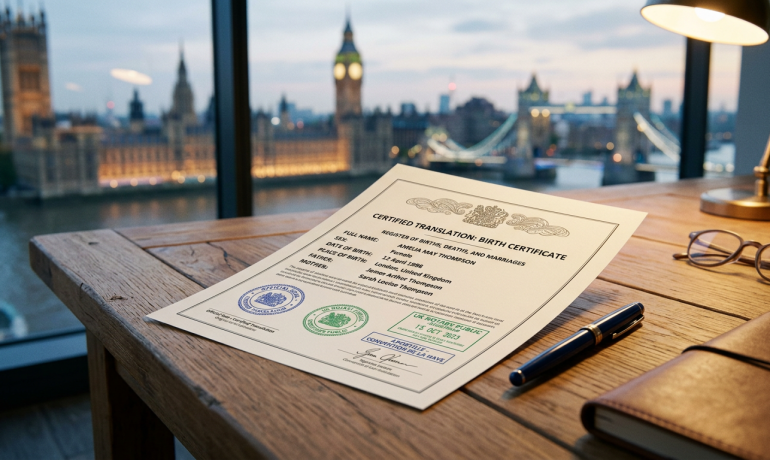
Birth certificate translation refers to the process of converting a birth certificate from one language to another while preserving its original meaning and legal validity. This type of translation is essential for individuals who need to present their birth certificates in a different language for various official purposes, such as immigration, education, or legal matters. A birth certificate typically includes critical information such as the individual’s name, date of birth, place of birth, and parentage, all of which must be accurately conveyed in the translated document.
The importance of certified translations cannot be overstated, especially when dealing with official documents. A certified translation is one that is accompanied by a statement from the translator or translation service, affirming that the translation is accurate and complete. This certification is often required by government agencies, educational institutions, and legal entities to ensure that the translated document holds the same weight as the original. In the UK, certified translations are particularly crucial for applications involving UK Visas and Immigration (UKVI), as they must meet specific standards to be accepted. Failure to provide a certified translation can lead to delays, rejections, or complications in processing applications.
Why Do You Need a Birth Certificate Translation in the UK?
In the UK, there are various legal requirements that necessitate the translation of birth certificates. For individuals applying for visas, citizenship, or residency, a translated birth certificate is often a mandatory document. This is particularly relevant for non-English speaking applicants who need to provide proof of their identity and familial relationships. Immigration authorities require that all supporting documents, including birth certificates, be submitted in English or accompanied by a certified translation to ensure clarity and compliance with UK laws.
Moreover, birth certificate translations are frequently needed for other official documents and applications, such as school admissions, marriage registrations, and employment verification. For example, when enrolling in a UK school, international students may be required to present their birth certificates in English to facilitate the admission process. Similarly, couples planning to marry in the UK may need to provide translated birth certificates to comply with local regulations. In these cases, having a certified translation is essential to avoid any potential issues or misunderstandings that could arise from language barriers.
How to Translate a Birth Certificate?
Translating a birth certificate involves several steps to ensure accuracy and compliance with legal requirements. The first step is to locate a qualified and certified translator or translation service that specializes in legal documents. It is crucial to choose a translator who is fluent in both the source and target languages and has experience with birth certificate translations. Many professional translation services offer certified translations, which are often required by authorities.
Once you have selected a translator, you will need to provide them with the original birth certificate along with any identification proof that may be required. This could include a passport or driver’s license to verify your identity. The translator will then produce a translated document that accurately reflects the content of the original birth certificate.
After the translation is completed, the translator will typically provide a certification statement, attesting to the accuracy and completeness of the translation. This certification is essential for official purposes, as it confirms that the translation meets the necessary legal standards. Finally, ensure that the translated birth certificate is formatted correctly and includes any required stamps or signatures, as specified by the requesting authority.
Where to Check Birth Certificate Translation Pricing
Pricing depends on the document, language pair, turnaround and any additional certification required. For current site pricing and a document-specific quote, use the dedicated birth certificate translation cost guide or review the translation pricing page.
If you are ready to arrange the translation rather than research pricing, see the certified birth certificate translation service for the ordering process, document requirements and available delivery options.
Birth Certificate Translation for UKVI
When applying for visas or immigration status in the UK, specific requirements must be met regarding the translation of documents, including birth certificates. The UK Visas and Immigration (UKVI) has strict guidelines that dictate how translations should be completed and submitted. For instance, all translations must be done by a qualified translator who is fluent in both the source language and English. Additionally, the translation must include a signed statement from the translator, confirming their qualifications and the accuracy of the translation.
Failure to comply with UKVI requirements can have serious consequences, including delays in processing applications or outright rejection. For example, if a birth certificate is not translated by a certified professional, UKVI may deem the application incomplete, leading to significant setbacks for the applicant. Therefore, it is crucial to ensure that all translated documents meet the necessary standards before submission.
Certified Birth Certificate Translation FAQ
A certified translation is one that is accompanied by a declaration from the translator or translation service, affirming that the translation is a true and accurate representation of the original document. This certification is essential for legal and official purposes, as it assures authorities that the translation has been completed by a qualified professional.
To verify a certified translation, you can contact the translation service that provided the translation to confirm its authenticity. Additionally, many certified translations will include a certification statement with the translator’s contact information, allowing you to reach out directly for verification. It is advisable to keep a copy of both the original document and the certified translation for your records.
Common Questions About Birth Certificate Translation
Common misconceptions about birth certificate translation often stem from a lack of understanding of the legal requirements involved. One frequent question is whether individuals can translate their own birth certificates. Regulations typically prohibit self-translation for official documents, as authorities require translations to be completed by certified professionals to ensure accuracy and impartiality.
Another common concern is the necessity of notarization. While notarized translations are often required for certain legal documents, certified translations are generally sufficient for birth certificates. However, it is essential to check the specific requirements of the entity requesting the translation to ensure compliance.
What to Check Before Ordering
When selecting a translation service for your birth certificate, several factors should be considered to ensure you receive a high-quality and reliable translation. First, look for a service that specializes in certified translations and has experience with legal documents. This expertise is crucial for ensuring that the translation meets all necessary standards and requirements.
It’s also important to check reviews and testimonials from previous clients. A reputable translation service will have positive feedback and a track record of delivering accurate and timely translations. Additionally, inquire about the qualifications of the translators employed by the service. Certified translators should have relevant qualifications and experience in legal translation to ensure the highest level of accuracy.
Finally, consider the customer service and support offered by the translation service. A responsive and helpful team can make the process smoother and provide assistance if any issues arise during the translation process. By taking the time to research and choose the right translation service, you can ensure that your birth certificate translation is handled professionally and efficiently.
Frequently Asked Questions
What documents are needed for birth certificate translation?
To translate a birth certificate, you typically need to provide the original birth certificate and identification proof of the requester, such as a passport or driver’s license.
How long does it take to translate a birth certificate?
Typical turnaround times for birth certificate translations can range from a few days to a week, depending on the translation service and their workload. Factors that may affect duration include the complexity of the document and the urgency of the request.
Can I translate my own birth certificate?
Regulations generally prohibit self-translation for official documents like birth certificates. It is essential to use a certified translator to ensure compliance with legal requirements.
Is a notarized translation the same as a certified translation?
No, notarized translations and certified translations are not the same. A certified translation includes a statement from the translator affirming its accuracy, while a notarized translation is verified by a notary public. Each is required in different contexts.
What if my birth certificate is not in English?
If your birth certificate is not in English, you will need to have it translated by a certified translator. The translation must meet specific requirements set by the requesting authority, ensuring that it is accurate and legally valid.
Need the translation itself? See our certified birth certificate translation service. For price-focused information, use the birth certificate translation cost guide.