Understanding Certified Translation
Certified translation is a specialized service that involves translating documents and providing a certification that the translation is accurate and complete. This certification is typically provided by a qualified translator or a translation agency, and it often includes a signed statement attesting to the accuracy of the translation. Certified translations are crucial in various legal contexts, such as immigration, legal proceedings, and academic admissions, where the integrity of the translated document is paramount.
The importance of certified translation cannot be overstated. Many institutions, including government bodies, educational institutions, and legal entities, require certified translations to ensure that the documents they receive are both accurate and reliable. For instance, when applying for a visa or residency in the UK, applicants must submit certified translations of their foreign documents, such as birth certificates, marriage certificates, and academic transcripts. Without certified translations, these documents may be deemed invalid, leading to delays or denials of applications.
In the UK, certified translations must meet specific standards to be accepted by authorities such as the Home Office or UK Visas and Immigration (UKVI). These standards include the qualifications of the translator, the format of the translation, and the inclusion of a declaration of accuracy. Understanding these requirements is essential for anyone needing certified translation services.
UK Certified Translation Requirements
In the UK, the requirements for certified translation are quite specific. Firstly, the translator must be qualified, which typically means they should have a relevant degree in translation or a related field, along with professional experience. Many certified translators are members of recognized professional bodies, such as the Institute of Translation and Interpreting (ITI) or the Chartered Institute of Linguists (CIOL), which adds credibility to their services.
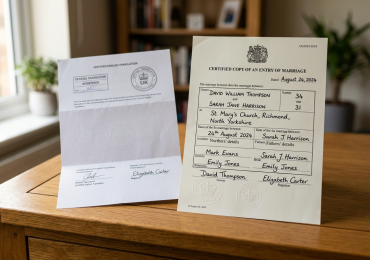
Documentation needed for certified translations in the UK usually includes the original document and the translated version. The translator must provide a signed statement confirming the accuracy of the translation, which may also include their qualifications and contact information. This statement is often referred to as a “certificate of accuracy.” Additionally, the translation must be in the same format as the original document, ensuring that any legal or official requirements are met.
It is also essential to note that different institutions may have varying requirements for certified translations. For example, the Home Office may have specific guidelines for immigration-related documents, while universities may have their own standards for academic transcripts. Therefore, it is advisable to check the specific requirements of the institution or authority to which the documents will be submitted.
Certified Translation Abroad: What You Need to Know
Certified translation processes can vary significantly from one country to another. In many countries, certified translations are required for official documents, similar to the UK. However, the criteria for what constitutes a certified translation can differ widely. For instance, in some countries, a sworn translator is required to certify translations, while in others, a simple declaration by the translator may suffice.
Common practices for certification abroad often include the use of specific templates or formats for the certification statement, which may need to be notarized or legalized. In countries like Germany, for example, translations must be carried out by a sworn translator who is officially recognized by the courts. This adds an additional layer of credibility to the translation process.
When obtaining certified translations abroad, it is crucial to ensure that the translator is recognized by the relevant authorities in that country. This recognition may not always translate to acceptance in the UK, so it is advisable to consult with the receiving institution in the UK to confirm that the foreign certified translation will be accepted.
Key Differences Between UK and Foreign Certified Translations
One of the primary differences between UK certified translations and those from other countries lies in the recognition of foreign translations within the UK. While foreign certified translations can be accepted, they must meet specific UK standards to be deemed valid. This often means that the translator’s qualifications and the certification process must align with UK requirements.
Another significant difference is in the certification processes themselves. In the UK, certified translations typically require a declaration of accuracy from the translator, along with their credentials. In contrast, some countries may have less stringent requirements, allowing for more flexibility in the certification process. For example, in some jurisdictions, a simple signature from the translator may suffice, without the need for additional documentation.
Additionally, the format and presentation of certified translations can vary. In the UK, documents must often be presented in a specific format, including a cover page detailing the translator’s credentials and a statement of accuracy. In other countries, the requirements may be less formal, which can lead to confusion when documents are submitted to UK authorities.
UKVI Foreign Translation Rules
The UKVI has specific requirements for foreign translations that must be adhered to for immigration purposes. These rules are designed to ensure that all translated documents are accurate and reliable. For example, translations submitted to the UKVI must be certified by a qualified translator, and the translator must provide a statement confirming the accuracy of the translation.
Specific cases where UKVI rules apply include visa applications, residency permits, and citizenship applications. In these instances, documents such as birth certificates, marriage certificates, and academic transcripts must be translated and certified to meet UKVI standards. Failure to comply with these requirements can result in delays or rejections of applications.
Furthermore, the UKVI requires that translations be completed in English, and any accompanying documents must also be translated. This includes any legal or official documents that are not originally in English. It is essential for applicants to ensure that their translations are not only accurate but also formatted correctly to meet UKVI guidelines.
Can I Get Translation Certified Abroad?
Yes, it is possible to get a translation certified abroad; however, there are several steps and considerations involved. The first step is to identify a qualified translator in the country where the document is being translated. This translator should have the necessary qualifications and recognition to certify translations in that jurisdiction.
Once a qualified translator is identified, the next step is to ensure that the translation meets the specific requirements of the UK authorities. This may involve checking whether the translator’s certification will be accepted in the UK and whether any additional documentation is needed.
Challenges faced when certifying translations abroad can include differences in legal requirements, varying standards for certification, and potential language barriers. It is crucial to communicate clearly with the translator about the intended use of the translation and the requirements set by UK authorities. Additionally, obtaining a notarized translation may be necessary in some cases, which can complicate the process further.
Certified Translation Recognition in the UK
For a translation to be recognized in the UK, it must adhere to specific criteria set by the relevant authorities. The most important factor is that the translation must be completed by a qualified translator who can provide a certificate of accuracy. This certificate should include the translator’s qualifications, contact information, and a statement confirming that the translation is a true and accurate representation of the original document.
Common pitfalls to avoid for recognition include using unqualified translators, failing to provide the necessary certification, and not adhering to the required format. For instance, if a translation is submitted without a signed statement of accuracy, it may be rejected by institutions such as the Home Office or UKVI. Additionally, it is essential to ensure that the translation is not only accurate but also formatted in a way that meets the expectations of the receiving institution.
It is advisable for individuals seeking recognition of their translations in the UK to consult with the institution or authority to which they are submitting the documents. This can help clarify any specific requirements and ensure that the translations will be accepted without issues.
Choosing the Right Translation Service
When selecting a translation service for certified translations, several factors should be considered. Firstly, it is essential to verify the qualifications of the translators. Look for translators who are members of professional bodies and have relevant experience in the field of certified translation.
Another important factor is the service’s reputation. Reading reviews and testimonials can provide insight into the quality of the service and the satisfaction of previous clients. Additionally, consider the turnaround time and pricing of the service. It is important to find a balance between quality and cost, as opting for the cheapest option may lead to subpar translations that could jeopardize important applications.
Lastly, ensure that the translation service is familiar with the specific requirements of the UK authorities. This includes understanding the necessary documentation and certification processes to avoid any issues with recognition. A reputable translation service will be able to guide clients through the process, ensuring that all requirements are met and that translations are completed accurately and efficiently.
Frequently Asked Questions
What are the requirements for certified translation in the UK?
Qualified translators must be used; specific documentation is required for certification.
Can foreign certified translations be accepted in the UK?
Yes, but they must meet UK standards; verification of the translator’s credentials is essential.
How do UKVI rules affect foreign translations?
UKVI has specific guidelines for translations; translations must be accurate and certified.
What should I consider when getting a translation certified abroad?
Local regulations and requirements vary; ensure the translator is recognized in both countries.
How can I ensure my translation is recognized in the UK?
Use certified translators familiar with UK standards; check for any additional requirements specific to your case.