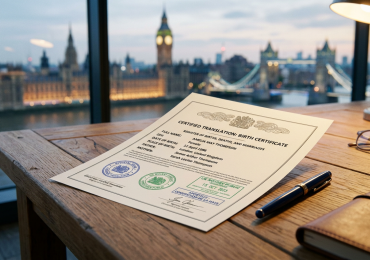

What is Bank Statement Translation?
Bank statement translation is the process of converting a bank statement from one language to another, ensuring that all financial details are accurately represented in the target language. This type of translation is crucial for individuals who need to present their financial records to authorities, institutions, or organizations that require documentation in a specific language, particularly in the context of immigration or visa applications. A bank statement typically includes sensitive information such as account numbers, transaction details, and balances, making it essential that the translation is precise and maintains the integrity of the original document.
The importance of bank statement translation cannot be overstated, especially for those applying for visas or residency in the UK. Many immigration processes require applicants to provide proof of financial stability, which often involves submitting translated bank statements. For example, the UK Visas and Immigration (UKVI) may request translated documents to verify that an applicant has sufficient funds to support themselves during their stay. A professionally translated bank statement can help avoid delays or complications in the application process, ensuring that all necessary information is clear and comprehensible to the reviewing authorities.
Moreover, accurate bank statement translation helps in maintaining transparency and trust between the applicant and the receiving institution. Any discrepancies or errors in translation can lead to misunderstandings, which may have serious consequences, including the denial of visa applications or other legal complications. Therefore, it is imperative to use certified translation services that specialize in financial documents to ensure that the translation meets all necessary legal and regulatory standards.
Why is Bank Statement Translation Required in the UK?
In the UK, bank statement translation is often required for various reasons, particularly in the context of immigration and financial transactions. The UKVI has specific requirements that mandate the submission of translated documents for visa applications, residency permits, and other official processes. These requirements are in place to ensure that all information provided by applicants is accessible and understandable to the reviewing officials, regardless of the original language of the documents.
Common scenarios that necessitate bank statement translation include:
- Visa Applications: Applicants for various visa types, including student, work, and family visas, must provide evidence of financial means. Translated bank statements help demonstrate that an applicant can support themselves financially while in the UK.
- Residency Applications: Individuals applying for indefinite leave to remain or other residency statuses may be required to submit translated bank statements to prove their financial stability over a specified period.
- Financial Transactions: When opening a bank account in the UK or applying for loans, financial institutions may require translated bank statements to assess the applicant’s financial history and creditworthiness.
- Educational Purposes: International students may need to provide translated bank statements to educational institutions to demonstrate their ability to cover tuition fees and living expenses.
In addition to these scenarios, certain legal proceedings or business transactions may also require translated bank statements. For instance, when dealing with inheritance issues or property purchases, having a clear and accurate translation of financial documents can facilitate smoother transactions and avoid potential disputes.
Given the critical nature of these documents, it is essential to engage a professional translation service that understands the nuances of financial terminology and the specific requirements set forth by UKVI and other authorities. This ensures that the translated bank statement is not only accurate but also compliant with all necessary regulations.
Bank Statement Translation Requirements FAQ
When it comes to bank statement translation, several requirements must be met to ensure that the translation is accepted by authorities and institutions. Understanding these requirements can help streamline the process and avoid any potential issues.
Documents Needed for Translation
To initiate the translation process, you will typically need to provide the following documents:
- Original Bank Statement: The original document is essential for accurate translation. This may be a physical copy or a digital version, depending on the service provider.
- Identification Documents: Some translation services may require a form of identification to verify your identity, especially if the bank statement contains sensitive information.
- Specific Instructions: If there are particular requirements from the receiving authority regarding the translation format or content, it is crucial to communicate these to the translation service.
Certified vs. Non-Certified Translations
One of the key considerations in bank statement translation is whether to opt for a certified or non-certified translation. Here’s a breakdown of the differences:
- Certified Translations: These translations come with a signed statement from the translator or translation service, affirming that the translation is accurate and complete. Certified translations are often required by authorities, such as UKVI, for visa applications and legal processes.
- Non-Certified Translations: These translations do not come with a certification statement and may be suitable for informal purposes. However, they are typically not accepted by official entities for legal or immigration matters.
It is advisable to use certified translations for bank statements intended for official use to ensure compliance with all legal requirements. This not only enhances the credibility of the documents but also minimizes the risk of rejection by the receiving authority.
Common Bank Statement Translation Questions
As individuals prepare for bank statement translation, they often have several questions regarding the process. Here are some common queries and their answers:
How long does the translation take?
The time required for bank statement translation can vary based on several factors, including the length of the document and the workload of the translation service. Generally, standard translations may take anywhere from 1 to 3 business days. However, if you require expedited services, many translation companies offer rush options that can significantly reduce turnaround times.
What formats are accepted?
Most translation services accept various formats for bank statements, including:
- PDF files
- JPEG or PNG images
- Word documents
It is essential to ensure that the document is clear and legible, as any illegibility may lead to inaccuracies in translation. If submitting a digital copy, ensure that the resolution is high enough for the translator to read all details clearly.
Can I translate my own bank statement?
While individuals may be tempted to translate their own bank statements, it is generally not advisable, especially for official purposes. Many authorities require translations to be completed by certified professionals to ensure accuracy and compliance with legal standards. Using a professional service reduces the risk of errors and enhances the credibility of the document.
Understanding Bank Statement Formats in the UK
Bank statements in the UK can vary significantly in format depending on the bank and the type of account. Understanding these formats is crucial for effective translation and ensuring that all necessary information is included.
Standard Bank Statement Formats
Most UK banks provide statements that include the following key elements:
- Account Holder Information: This includes the name, address, and account number of the individual or entity.
- Transaction Details: Each transaction typically includes the date, description, and amount, as well as the running balance after each transaction.
- Bank Information: The bank’s name, address, and contact details are usually included on the statement.
Differences Between Banks
Different banks may present their statements in various layouts and with differing levels of detail. For example, some banks may include additional sections for fees, interest earned, or account summaries, while others may present a more simplified version. It is essential to ensure that the translation captures all relevant information accurately, regardless of the bank’s format.
What to Include in the Translation
When translating a bank statement, it is vital to include:
- All account holder information
- Complete transaction history, including dates and descriptions
- Any relevant notes or annotations made by the bank
Failing to include any of these elements could lead to misunderstandings or complications during the review process by authorities or institutions.
Choosing a Bank Statement Translation Service
Selecting the right translation service is critical to ensuring that your bank statement is translated accurately and meets all necessary requirements. Here are some key factors to consider:
What to Look for in a Translation Service
- Certification: Ensure that the service provides certified translations, as this is often a requirement for official documents.
- Experience: Look for a translation service with experience in financial document translation. They should understand the specific terminology and formatting required.
- Turnaround Time: Check the estimated turnaround times to ensure they align with your needs, especially if you have a tight deadline.
- Reviews and Testimonials: Research customer reviews and testimonials to gauge the quality of service and customer satisfaction.
Cost Considerations
The cost of bank statement translation can vary based on several factors, including:
- The length of the document
- The complexity of the translation
- The urgency of the request
It is advisable to request quotes from multiple services to compare prices and services offered. Keep in mind that the cheapest option may not always provide the best quality, so balance cost with the reputation and credentials of the service provider.
Turnaround Times
Turnaround times for bank statement translations can vary widely. Standard translations may take 1-3 business days, while urgent requests can often be completed within a few hours. When selecting a service, ensure that they can meet your timeline and confirm any additional fees for expedited services.
How to Prepare Your Bank Statement for Translation
Steps to Take Before Submitting
- Check for Clarity: Ensure that the bank statement is clear and legible. If it is a digital copy, verify that the resolution is high enough to capture all details.
- Gather Required Documents: Collect any additional documentation that may be required by the translation service, such as identification or specific instructions.
- Highlight Important Sections: If there are specific sections of the bank statement that are particularly relevant, consider highlighting them to draw attention during translation.
Ensuring Clarity and Accuracy
To ensure clarity and accuracy in the translation, it is crucial to provide a complete and unaltered version of the bank statement. Avoid making any edits or annotations that could confuse the translator. If you have any specific requests regarding terminology or phrasing, communicate these clearly to the translation service.
Common Pitfalls to Avoid
- Submitting Illegible Documents: Ensure that all documents are clear and readable; otherwise, it may lead to errors in translation.
- Overlooking Certification Requirements: Be aware of whether a certified translation is required and choose a service that offers this option.
- Ignoring Deadlines: Always consider the timeline for your translation needs and allow sufficient time for the service to complete the work.
FAQs About UKVI Bank Statement Translation
Understanding the specific requirements for UKVI bank statement translation is crucial for a successful application process. Here are some frequently asked questions regarding this topic:
What is UKVI?
UKVI stands for UK Visas and Immigration, the government department responsible for managing immigration and visa applications in the UK. UKVI sets specific requirements for documentation, including translations, to ensure that all information is accessible and understandable to officials reviewing applications.
Specific Requirements for UKVI Bank Statements
When submitting bank statements to UKVI, applicants must ensure that:
- The statements are translated into English by a certified translator.
- All relevant information is included, such as account holder details, transaction history, and bank information.
- The translation is accompanied by a signed statement from the translator affirming its accuracy.
Consequences of Incorrect Translations
Submitting incorrect or incomplete translations can have serious consequences, including:
- Delays in the processing of visa applications
- Rejection of the application due to insufficient documentation
- Potential legal issues if the translation is deemed fraudulent or misleading
To avoid these risks, it is essential to use a reputable translation service that specializes in financial documents and understands the requirements set by UKVI.
Frequently Asked Questions
What is the average cost of bank statement translation?
Costs vary by service provider; factors influencing price include document length and urgency.
How do I ensure my bank statement translation is accepted?
Use a certified translation service; check specific requirements from the receiving authority.
Can I use a bank statement translation for multiple purposes?
Yes, but ensure it meets the requirements for each purpose; some authorities may require a fresh translation.
What if my bank statement is in a foreign language?
It must be translated into English; ensure the translation is certified if required by authorities.
Are electronic bank statements acceptable for translation?
Yes, but they must be clear and legible; check with the receiving authority for specific guidelines.