
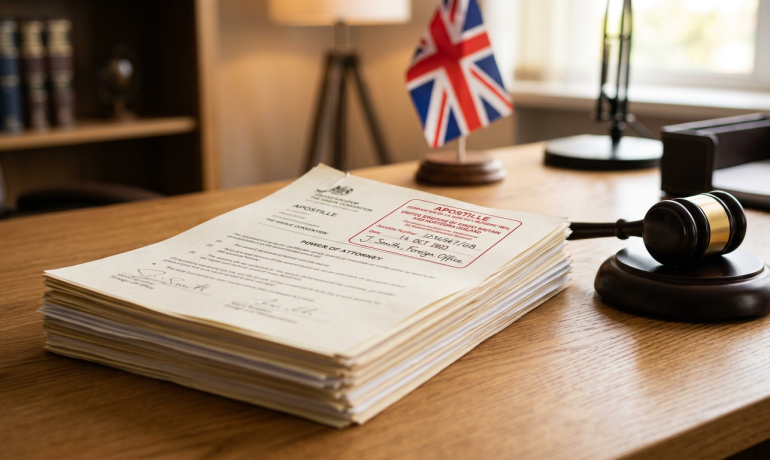
What is an Apostille?
An apostille is a certification that authenticates the origin of a public document, allowing it to be recognized in countries that are signatories to the Hague Convention of 1961. This international treaty simplifies the process of legalizing documents for use abroad, ensuring that documents issued in one member country are accepted in another without the need for further verification. The apostille is typically a printed form attached to the document, containing details such as the name of the issuing authority, the signatory’s details, and the seal of the issuing office.
The primary purpose of an apostille is to eliminate the need for cumbersome legalizations by foreign embassies or consulates. For instance, if a UK birth certificate is to be used in France, obtaining an apostille allows the document to be accepted without additional validation from the French authorities. This streamlining of the process is crucial for individuals and businesses engaging in international transactions, legal matters, or personal affairs such as marriage or inheritance across borders.
In the UK, the Foreign, Commonwealth & Development Office (FCDO) is the designated authority responsible for issuing apostilles. It is essential to understand that an apostille does not validate the content of the document itself; rather, it confirms that the document has been issued by a recognized authority. Therefore, it is vital to ensure that the documents being apostilled are accurate and complete before submission.
Common documents that often require an apostille include birth and marriage certificates, academic diplomas, and corporate documents. Each of these documents serves different purposes, and their acceptance may vary depending on the regulations of the receiving country. Understanding the specific requirements of the destination country is crucial to ensure that the apostille process is executed correctly.
The Apostille Process in the UK
Obtaining an apostille in the UK involves several key steps, each of which must be carefully followed to ensure that the process is completed smoothly. Below is a step-by-step guide to help you navigate the apostille process:
- Determine the Document Type: Identify the type of document you need to have apostilled. Common examples include birth certificates, marriage certificates, and academic diplomas.
- Prepare the Document: Ensure that the document is an original or a certified copy. If it is a copy, it must be certified by a recognized authority, such as a solicitor or notary public.
- Visit the FCDO or Authorized Agent: You can either submit your document directly to the FCDO or use an authorized agent. If you choose to go through the FCDO, you will need to book an appointment. If using an agent, ensure they are reputable and experienced in handling apostille requests.
- Complete the Application Form: Fill out the application form provided by the FCDO or your chosen agent. This form will require details about the document and the purpose of the apostille.
- Submit the Document: Submit your document along with the completed application form and any required fees. The FCDO charges a fee for each document apostilled, and this can vary depending on the processing time you choose.
- Receive the Apostille: Once processed, you will receive your document back with the apostille attached. This will typically take a few days to a couple of weeks, depending on the service level chosen.
It is important to note that the apostille process can vary slightly depending on the type of document and the specific requirements of the receiving country. Always check the latest guidelines from the FCDO or consult with your agent for the most accurate information.
Legalisation vs Apostille: What’s the Difference?
Legalisation and apostille are terms often used interchangeably, but they refer to different processes. Legalisation is a broader term that encompasses the verification of a document’s authenticity for international use. This process can involve multiple steps, including obtaining an apostille or seeking approval from foreign embassies or consulates.
An apostille, as previously mentioned, is a specific type of legalisation that applies only to documents intended for use in countries that are part of the Hague Convention. The apostille simplifies the process by providing a single certificate that confirms the document’s authenticity without the need for further validation by foreign authorities.
In contrast, legalisation may be necessary for documents intended for countries that are not signatories to the Hague Convention. For example, if you are sending a document to a country like China or the United Arab Emirates, you may need to go through a more complex legalisation process that involves multiple steps, including obtaining an apostille and then having the document legalized by the respective embassy or consulate.
Understanding when to use legalisation versus an apostille is crucial for ensuring that your documents are accepted in the intended foreign jurisdiction. Always verify the specific requirements of the destination country to determine the appropriate process.
Common Apostille Questions in the UK
Many individuals have questions regarding the apostille process in the UK. Here are some of the most frequently asked questions:
- What types of documents can be apostilled? Documents that can be apostilled include birth certificates, marriage certificates, academic diplomas, and corporate documents. Ensure that the document is an original or a certified copy.
- How long does the apostille process take? The processing time can vary depending on whether you go through the FCDO or an authorized agent. Generally, it can take anywhere from a few days to a couple of weeks.
- Is there a fee for obtaining an apostille? Yes, the FCDO charges a fee for each document that is apostilled. The fee may vary based on the processing speed you choose.
- Can I apostille a digital document? No, apostilles are only issued for physical documents. You must provide an original or certified copy for the apostille process.
- What if my document is in a foreign language? If your document is not in English, it may need to be translated by a certified translator before it can be apostilled. This ensures that the FCDO can verify the document’s authenticity.
These questions highlight the common concerns individuals have when navigating the apostille process. For further clarification, consulting with an expert or authorized agent can provide tailored guidance.
FCDO Apostille Questions
The Foreign, Commonwealth & Development Office (FCDO) is the primary authority for issuing apostilles in the UK. Understanding how to interact with the FCDO can streamline your apostille process:
What is the FCDO? The FCDO is a government department responsible for foreign affairs and international development. It handles various services, including the issuance of apostilles for documents intended for use abroad.
How to contact the FCDO for apostille inquiries: If you have questions or require assistance regarding the apostille process, you can contact the FCDO through their official website or customer service line. They provide detailed information on the requirements, fees, and processing times. Additionally, you can visit their office in person if you prefer direct assistance.
It is advisable to check the FCDO website for the latest updates and guidelines, as procedures and fees may change over time. Being informed will help you avoid delays and ensure a smooth apostille experience.
Document Legalisation FAQ
Document legalisation is an essential process for ensuring that your documents are accepted internationally. Here are some frequently asked questions regarding document legalisation:
- What documents need legalisation? Legalisation may be required for a variety of documents, including educational certificates, business contracts, and personal documents like marriage or divorce certificates. The specific requirements depend on the destination country.
- How to legalise documents for international use? To legalise a document, you must first check the requirements of the receiving country. If an apostille is needed, follow the steps outlined above for obtaining one. If the country does not recognize apostilles, you may need to visit the relevant embassy or consulate for further legalisation.
- Is legalisation necessary if I have an apostille? No, if you have an apostille, it is sufficient for countries that are part of the Hague Convention. However, for countries outside this agreement, additional legalisation may be required.
- How long does the legalisation process take? The time frame for legalisation can vary widely depending on the document type and the specific requirements of the embassy or consulate involved. Always check in advance for estimated processing times.
Understanding the legalisation process is crucial for ensuring your documents are valid and accepted in foreign jurisdictions. For more specific guidance, consider consulting with a legal professional or a document service provider.
Apostille Process Questions in the UK
When navigating the apostille process in the UK, individuals often have specific questions regarding timelines and costs. Here are some common inquiries:
- How long does the apostille process take? The duration of the apostille process can vary based on whether you choose to go directly through the FCDO or use an authorized agent. Typically, it can take anywhere from 1 to 15 working days, depending on the service level selected.
- What are the costs associated with obtaining an apostille? The cost for obtaining an apostille through the FCDO is generally around £30 per document. Additional fees may apply if you use an authorized agent, which can vary based on their service charges.
- Can I expedite the apostille process? Yes, some authorized agents offer expedited services for an additional fee. If you require your apostille quickly, inquire about these options when submitting your documents.
- Do I need to provide a translation for my document? If your document is in a language other than English, it may need to be translated by a certified translator before it can be apostilled. This requirement ensures that the FCDO can verify the document’s authenticity.
Being informed about the apostille process, including timelines and costs, can help you plan effectively and avoid any unnecessary delays. For personalized assistance, consider reaching out to a professional service that specializes in apostille and legalisation.
Tips for a Smooth Apostille Experience
To ensure a seamless apostille experience, consider the following tips:
- Double-check Document Requirements: Before submitting your documents, verify the specific requirements for apostille in the destination country. This can save you time and potential rejections.
- Use Reputable Services: If you choose to use an authorized agent, ensure they have a good reputation and positive reviews. This can significantly impact the efficiency and reliability of the service.
- Prepare for Potential Delays: Be aware that processing times can vary, especially during peak periods. Plan ahead to avoid any last-minute issues.
- Keep Copies of All Documents: Always retain copies of your original documents and any submissions. This can be helpful for reference and in case of any discrepancies.
- Consult with Experts: If you are unsure about any aspect of the apostille process, consider consulting with professionals who specialize in document legalisation. They can provide valuable insights and assistance.
By following these tips, you can navigate the apostille process more effectively and ensure that your documents are ready for international use without unnecessary complications.
Frequently Asked Questions
How long is an apostille valid in the UK?
An apostille is valid indefinitely unless the document itself expires.
Can I apostille a digital document?
No, apostilles are only issued for physical documents.
What types of documents can be apostilled?
Birth certificates, marriage certificates, academic diplomas, and more.
Is legalisation necessary if I have an apostille?
No, an apostille is sufficient for countries that are part of the Hague Convention.
Where can I get my documents apostilled in the UK?
You can obtain an apostille from the FCDO or authorized agents.
