
Understanding Translation Pricing in the UK
Translation pricing in the UK can vary significantly based on numerous factors, making it essential for clients to understand what influences these costs. The primary elements affecting translation prices include the language pair, the complexity of the document, the required turnaround time, and the type of translation service needed.
Firstly, the language pair plays a crucial role. For instance, translating from English to a widely spoken language like Spanish may be less expensive than translating into a less common language like Icelandic. This is due to the availability of translators and the demand for specific language combinations.
Secondly, the complexity of the document is another significant factor. Technical documents, legal contracts, or medical reports often require specialized knowledge and terminology, which can increase the cost. In contrast, translating simple texts, such as personal letters or basic marketing materials, tends to be more affordable.
Additionally, the urgency of the translation can impact pricing. If a client requires a fast turnaround, many translation services will charge a premium for expedited service. This is particularly common in industries where time-sensitive documents are critical, such as legal or medical fields.
Lastly, the type of translation service can also affect pricing. Certified translations, which are often required for official documents, typically cost more than standard translations due to the added verification process. Understanding these factors can help clients make informed decisions when selecting a translation service that fits their budget.
Common Translation Cost Questions
When it comes to translation costs, clients often have several questions. Understanding what affects translation rates and how costs are calculated can provide clarity and help set realistic expectations.
What affects translation rates?
Translation rates are influenced by various factors, including:
- Language Pair: As mentioned, some languages are more common than others, affecting availability and cost.
- Document Complexity: Technical or specialized documents require more expertise, thus costing more.
- Turnaround Time: Urgent requests often incur higher fees due to the need for prioritization.
- Service Type: Certified translations cost more than standard translations due to additional verification.
How is translation cost calculated?
Translation costs are typically calculated based on the word count of the document. Most translation services charge per word, with rates generally ranging from £0.08 to £0.20 per word, depending on the factors mentioned above. Some services may also offer flat rates for specific document types or project sizes. Clients can often request quotes through online forms that consider the word count, document type, and required turnaround time.
Certified Translation Price FAQ
Certified translations are often required for legal, immigration, and official purposes. Understanding the costs associated with certified translations is crucial for clients needing these services.
What is certified translation?
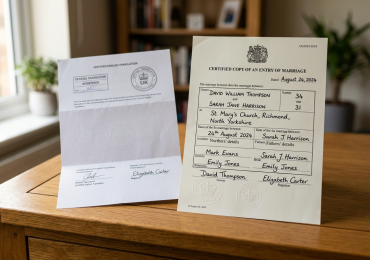
A certified translation is a translation that comes with a signed statement from the translator or translation service, affirming that the translation is accurate and complete. This certification is often required by governmental bodies, educational institutions, and legal entities to ensure the authenticity of the translated document.
How much does certified translation cost in the UK?
The cost of certified translation in the UK can vary widely based on several factors, including the language, the complexity of the document, and the service provider. On average, clients can expect to pay between £0.10 and £0.25 per word for certified translations. Additional fees may apply for notarization or expedited service, so it is advisable for clients to inquire about all potential costs upfront.
How Much Does Translation Cost in the UK?
Understanding the average translation rates by language and document type can help clients budget effectively for their translation needs.
Average translation rates by language
Translation rates can differ significantly based on the language pair. For example:
- Common Languages: Languages like Spanish, French, and German typically have lower rates, averaging around £0.08 to £0.12 per word.
- Less Common Languages: Languages such as Finnish or Icelandic may cost between £0.15 to £0.25 per word due to fewer available translators.
Comparison of costs for different document types
The type of document also influences translation costs. For instance:
- Standard Documents: Personal letters or simple marketing materials may cost around £0.08 to £0.12 per word.
- Technical Documents: Manuals or scientific papers can range from £0.12 to £0.20 per word due to their complexity.
- Legal Documents: Contracts and agreements often require certified translations, costing £0.15 to £0.25 per word.
Translation Rates FAQ
Clients often seek clarity on standard rates versus urgent translation rates and the potential for discounts on large projects.
Standard rates vs. urgent translation rates
Standard translation rates apply to projects with a typical turnaround time, usually ranging from 3 to 7 days. However, if a client requires a faster turnaround—often within 24 hours—urgent translation rates will apply, which can be 20% to 50% higher than standard rates. This premium compensates the translator for prioritizing the project.
Volume discounts for large projects
Many translation services offer volume discounts for larger projects. If a client has a substantial amount of text to translate, they may negotiate a lower per-word rate. This is particularly beneficial for businesses needing extensive documentation translated, such as manuals or marketing materials.
Translation Fee FAQ UK
Understanding potential hidden fees and payment structures is essential for clients budgeting for translation services.
What are hidden fees in translation services?
While many translation services provide clear pricing, clients should be aware of potential hidden fees. These can include:
- Notarization Fees: If a certified translation requires notarization, this can incur additional costs.
- Delivery Charges: Some services may charge for physical delivery of documents.
- Formatting Fees: If a document requires specific formatting, additional charges may apply.
Understanding payment structures
Most translation services operate on a pay-per-word basis, but clients should clarify payment structures before committing. Some services may require a deposit upfront, particularly for larger projects, while others may bill upon completion. Understanding these structures can help clients manage their budgets effectively.
Tips for Reducing Translation Costs
Clients looking to minimize translation expenses can employ several strategies to ensure they get the best value for their investment.
How to prepare documents for cost-effective translation
Preparing documents properly can significantly reduce costs. Clients should:
- Provide Clear Instructions: Clearly outline what needs to be translated and any specific requirements.
- Minimize Formatting: Sending documents in simple formats (like Word or plain text) can reduce formatting fees.
- Consolidate Documents: If possible, combine multiple documents into one to avoid paying for each separately.
Choosing the right service for your budget
Not all translation services are created equal. Clients should research and compare different providers, considering their experience, specializations, and customer reviews. Opting for a service that aligns with specific needs can lead to better quality and value for money.
When to Invest in Quality Translation Services
While cost is a significant factor, there are times when investing in high-quality translation services is essential for long-term success.
Importance of quality in legal and medical translations
In fields such as law and medicine, the accuracy of translations can have serious implications. A poorly translated legal document could lead to misunderstandings or legal issues, while inaccuracies in medical translations could jeopardize patient care. Therefore, investing in quality translation services in these areas is crucial.
Long-term benefits of professional translation
Professional translation services not only ensure accuracy but also enhance the credibility of a business or individual. High-quality translations can improve communication with international clients, facilitate smoother operations in foreign markets, and ultimately lead to increased revenue. In the long run, the investment in quality translation services can yield significant returns.
Frequently Asked Questions
What is the average cost of translation services in the UK?
Costs vary by language and document type, typically ranging from £0.08 to £0.20 per word.
Are there additional fees for certified translations?
Yes, certified translations may incur extra fees for notarization and delivery.
How can I get a quote for translation services?
Most services provide online quote forms based on word count and document type.
What factors influence translation pricing?
Language pair, document complexity, turnaround time, and service type.
Is it cheaper to translate documents in bulk?
Yes, many providers offer discounts for larger projects or bulk translations.