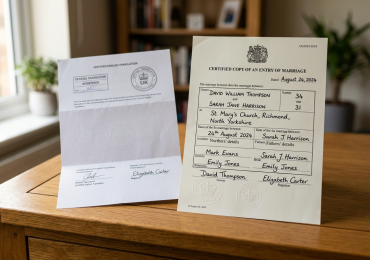
Understanding NHS Healthcare Registration Translation
Certified translation plays a crucial role in the NHS healthcare registration process in the UK. For overseas healthcare professionals seeking to practice in the UK, accurate translations of their documents are not just a formality; they are a legal requirement. The NHS requires that all documents submitted for registration be translated into English by a certified translator to ensure they meet the necessary standards for accuracy and completeness. This process is vital as it helps maintain the integrity of the healthcare system and ensures that all practitioners meet the required qualifications.
The NHS healthcare registration process involves several steps, starting with verifying the qualifications of overseas healthcare workers. Applicants must provide proof of their medical qualifications, identity, and employment history. Each of these documents must be translated if they are not originally in English. The translation must be certified, meaning it has been completed by a qualified translator who can attest to its accuracy. This certification is essential for the NHS to verify that the applicant possesses the necessary skills and qualifications to work in the UK healthcare system.
Moreover, the importance of certified translation extends beyond mere compliance; it also affects the applicant’s ability to practice medicine in the UK. Inaccurate translations can lead to misunderstandings regarding qualifications, potentially resulting in application rejections or delays. Therefore, it is imperative that healthcare professionals ensure their documents are translated accurately and in accordance with NHS guidelines.
In summary, certified translation is a fundamental requirement for NHS healthcare registration. It ensures that all documentation is accurately represented and meets the standards set by the NHS, facilitating a smoother registration process for overseas healthcare workers.
Key NHS Translation Requirements
When applying for NHS registration, several key documents must be translated and submitted. These include:
- Medical Qualifications: This includes degrees, diplomas, and any other certifications related to the applicant’s medical training.
- Proof of Identity: Documents such as passports or national identity cards must be translated to verify the applicant’s identity.
- Employment History Documents: Letters from previous employers, references, and other relevant employment records must also be translated.
Each of these documents must adhere to specific translation standards set forth by the NHS. The translations must be:
- Certified: Only translations completed by certified translators are accepted.
- Accurate: The translations must accurately reflect the content of the original documents without any omissions or alterations.
- Adhering to NHS Guidelines: Translations must follow the specific formatting and presentation requirements outlined by the NHS.
Additionally, the NHS may require translations to include a statement of accuracy from the translator, attesting to the fidelity and completeness of the translation. This statement serves as a guarantee that the translation is a true representation of the original document, which is critical for the registration process.
Failure to meet these requirements can lead to significant delays in the registration process or even outright rejection of the application. Therefore, it is essential for applicants to ensure that their documents are translated correctly and in compliance with NHS standards.
How to Translate Documents for NHS Registration
Translating documents for NHS registration involves a systematic approach to ensure compliance with the NHS’s stringent requirements. Here’s a step-by-step process to guide applicants:
- Identify Required Documents: Begin by compiling a list of all documents that need translation, including medical qualifications, identity proof, and employment history.
- Select a Certified Translation Service: Choose a translation service that specializes in healthcare document translation. Ensure that the service is accredited and has experience with NHS requirements.
- Submit Documents for Translation: Provide the translation service with clear copies of the original documents. It’s advisable to include any specific instructions or requirements from the NHS.
- Review the Translations: Once the translations are completed, review them for accuracy. It may be beneficial to have a second party verify the translations to ensure they meet the necessary standards.
- Obtain Certification: Ensure that the translation service provides a certification statement that confirms the accuracy of the translations. This statement is crucial for the NHS registration process.
- Submit Translated Documents: Finally, submit the certified translations along with the original documents to the NHS as part of your registration application.
Choosing the right translation service is critical for a smooth registration process. Look for services that offer:
- Experience in medical and healthcare translations.
- Accreditation from recognized translation bodies.
- Positive client testimonials and case studies.
By following these steps and selecting a reputable translation service, applicants can ensure that their documents are accurately translated and certified, facilitating a successful NHS registration process.
Healthcare Document Translation in the UK
Healthcare document translation encompasses a variety of documents that may require translation for NHS registration and other healthcare-related processes. Common types of documents include:
- Medical Degrees and Diplomas: These documents verify the educational background of healthcare professionals.
- Transcripts: Academic transcripts provide a detailed account of the courses taken and grades received.
- Professional Certifications: Additional certifications that demonstrate specialized training or qualifications.
- Employment References: Letters from previous employers that attest to the applicant’s experience and skills.
- Licenses: Proof of licensure to practice medicine in the applicant’s home country.
However, translating healthcare documents can present several challenges:
- Terminology: Medical terminology can be complex and varies significantly between languages. Accurate translation is essential to avoid misunderstandings.
- Cultural Nuances: Certain concepts may not have direct translations, requiring translators to find equivalent terms that convey the same meaning.
- Formatting Requirements: The NHS has specific formatting guidelines that must be adhered to, which can complicate the translation process.
To overcome these challenges, it is advisable to work with translation services that specialize in medical translations. These services understand the nuances of healthcare terminology and are familiar with the NHS’s requirements, ensuring that translations are both accurate and compliant.
Medical Qualification Translation for NHS
The translation of medical qualifications is a critical component of the NHS registration process. Accurate translations are essential to verify that overseas healthcare professionals possess the necessary qualifications to practice in the UK. The importance of translating medical qualifications includes:
- Verification of Credentials: Translations allow the NHS to confirm that the applicant’s qualifications meet UK standards.
- Compliance with Legal Requirements: Certified translations are legally required for NHS registration, ensuring that all documentation is officially recognized.
- Facilitating Communication: Accurate translations help bridge language barriers, enabling effective communication between healthcare professionals and regulatory bodies.
To ensure accuracy in medical translations, applicants should consider the following:
- Use Qualified Translators: Engage translators who are certified and have experience in medical translations.
- Provide Context: When submitting documents for translation, provide context about the qualifications and any specific terminology used in the original documents.
- Request Proofreading: It may be beneficial to have a second translator review the translations for accuracy and consistency.
By prioritizing accuracy in medical qualification translations, healthcare professionals can enhance their chances of a successful NHS registration process.
Overseas Healthcare Worker Translation in the UK
For overseas healthcare workers, navigating the translation process for foreign qualifications can be daunting. The NHS has specific needs and requirements for these professionals, including:
- Document Verification: All documents must be verified to ensure they are authentic and meet the NHS standards.
- Language Proficiency: Healthcare workers must demonstrate proficiency in English, which often requires additional documentation, such as language test results.
- Understanding of UK Healthcare Standards: Overseas healthcare workers must be familiar with UK healthcare regulations and practices, which may necessitate additional training or assessments.
To navigate the translation process effectively, overseas healthcare workers should:
- Research NHS Requirements: Familiarize themselves with the specific documents required for their profession and the translation standards set by the NHS.
- Engage Professional Translators: Work with translation services that specialize in healthcare and understand the nuances of NHS requirements.
- Prepare for Additional Assessments: Be prepared for potential assessments or training that may be required to meet UK standards.
By understanding the unique needs of overseas healthcare workers and ensuring accurate translations, applicants can facilitate a smoother transition into the UK healthcare system.
Choosing a Certified Translation Service
Selecting the right certified translation service is crucial for ensuring that documents meet NHS requirements. Here are key factors to consider when choosing a translation provider:
- Accreditation: Ensure the translation service is accredited by recognized bodies, such as the Association of Translation Companies (ATC) or similar organizations.
- Experience in Healthcare Translation: Look for services that specialize in medical and healthcare translations, as they will be familiar with the specific terminology and requirements.
- Client Reviews and Testimonials: Research client feedback and case studies to gauge the quality of the service provided.
- Turnaround Time: Inquire about the average turnaround time for translations, especially if you have a tight deadline for NHS registration.
- Cost Transparency: Ensure that the service provides a clear breakdown of costs associated with the translation process.
Benefits of using a professional service for NHS registration include:
- Accuracy and Compliance: Professional services ensure that translations are accurate and comply with NHS standards.
- Time Efficiency: Experienced translators can complete the process more quickly, helping to meet registration deadlines.
- Support and Guidance: Many translation services offer additional support, such as advice on the NHS registration process and documentation requirements.
By carefully selecting a certified translation service, applicants can enhance their chances of a successful NHS registration and ensure that their documents are handled with the utmost professionalism.
Conclusion: Ensuring Smooth NHS Registration
In conclusion, certified translation is an essential component of the NHS healthcare registration process. Accurate translations of medical qualifications, identity proof, and employment history documents are crucial for overseas healthcare professionals seeking to practice in the UK. By understanding the NHS translation requirements and following a systematic approach to document translation, applicants can facilitate a smoother registration process.
To ensure success, it is vital to engage professional translation services that specialize in healthcare documentation and are familiar with NHS standards. This not only guarantees the accuracy of translations but also helps applicants navigate the complexities of the registration process. By prioritizing certified translations, healthcare professionals can enhance their chances of a successful NHS registration and contribute to the UK healthcare system.
Frequently Asked Questions
What documents need certified translation for NHS registration?
Documents requiring certified translation for NHS registration include medical qualifications, proof of identity, and employment history documents.
How long does the NHS registration translation process take?
The translation process typically takes 5-10 business days, depending on the complexity of the documents involved.
Are there specific translation standards for NHS documents?
Yes, NHS documents must be certified and accurate, adhering to NHS guidelines for healthcare translations.
Can I use non-certified translations for NHS registration?
No, only certified translations are accepted for NHS registration, as non-certified translations may lead to delays or rejections.
What is the cost of certified translation for NHS registration?
The cost of certified translation varies by service provider and depends on factors such as document length and complexity.