Understanding UCAS and Its Requirements
The Universities and Colleges Admissions Service (UCAS) is the central organization through which applications are processed for higher education courses in the UK. It serves as a vital link between applicants and universities, providing a streamlined application process for prospective students. Understanding UCAS and its requirements is crucial for anyone looking to study in the UK, especially for international students whose academic qualifications may not be in English or may differ significantly from the UK education system.
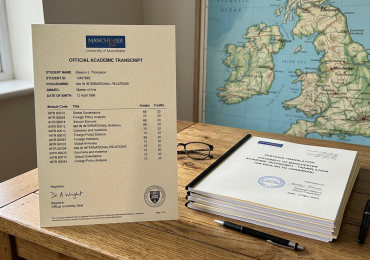
One of the most important components of the UCAS application is the academic transcript, which provides a detailed record of a student’s academic achievements. This document typically includes information such as the courses taken, grades achieved, and overall performance. For international students, the accuracy and clarity of this document are paramount, as universities rely on it to assess the applicant’s qualifications and readiness for higher education in the UK.
Academic transcripts must be translated into English if they are originally in another language. This translation must meet specific standards set by UCAS to ensure that it accurately reflects the original document. The importance of a well-translated academic transcript cannot be overstated, as it directly impacts the applicant’s chances of being accepted into their desired program. Inaccuracies or misinterpretations in the translation can lead to misunderstandings about the applicant’s qualifications, potentially jeopardizing their application.
In summary, understanding UCAS and its requirements is essential for international students. The academic transcript plays a critical role in the application process, and ensuring that it is accurately translated is a key step towards successfully gaining admission to a UK university.
Why You Need a Certified Translation for UCAS
A certified translation is a translation that is officially recognized and signed by a qualified translator. This type of translation is crucial for academic transcripts submitted to UCAS, as it guarantees that the translation is accurate and complete. UCAS specifically requires certified translations to ensure that all applicants are evaluated fairly and consistently, regardless of their country of origin.
The consequences of submitting a non-certified translation can be significant. Universities may reject applications that include unofficial translations, as these documents may not provide the necessary assurance of accuracy. For instance, if a translated transcript contains errors or omissions, it could misrepresent an applicant’s qualifications. This misrepresentation can lead to rejection of the application or, in some cases, revocation of an offer if discrepancies are discovered post-acceptance.
Moreover, a certified translation provides legal protection for both the applicant and the translator. It serves as a formal declaration that the translation is an accurate representation of the original document. This can be particularly important in cases where the applicant’s qualifications are questioned or if there are disputes regarding the authenticity of the documents submitted.
In addition to the legal and procedural aspects, a certified translation can enhance the overall presentation of an application. It demonstrates professionalism and attention to detail, qualities that universities value in prospective students. By ensuring that your academic transcript is translated by a certified professional, you are taking a crucial step towards a successful application to your desired UK university.
Steps to Translate Your Academic Transcript for UCAS
Translating your academic transcript for UCAS involves several important steps to ensure that the process is completed accurately and efficiently. Here’s a detailed guide to help you navigate through the translation process:
- Gather Necessary Documents: Start by collecting your original academic transcript and any additional documents that may be required. This could include identification documents or proof of your previous education. Ensure that you have both the original document and a clear copy for the translator.
- Choose a Certified Translator: Selecting the right translator is crucial. Look for a professional who specializes in academic translations and is recognized by relevant authorities. You can find certified translators through professional organizations or translation agencies. Ensure that the translator has experience with UCAS requirements and understands the specific terminology used in academic transcripts.
- Request a Quote: Once you have identified potential translators, request quotes from them. Compare their pricing, turnaround times, and any additional services they may offer. It’s important to choose a translator who can meet your budget while providing high-quality work.
- Submit Your Documents: After selecting a translator, submit your original academic transcript along with any additional documents. Clearly communicate any specific requirements or deadlines you have. Provide context about the purpose of the translation, as this can help the translator produce a more accurate document.
- Review the Translation: Once you receive the translated document, review it carefully. Check for accuracy, completeness, and adherence to the original format. If you notice any discrepancies or errors, contact the translator immediately for corrections.
- Obtain Certification: Ensure that the translation is accompanied by a certification statement from the translator. This statement should confirm that the translation is accurate and complete. It should also include the translator’s qualifications and contact information.
- Submit to UCAS: Finally, submit your certified translation along with your UCAS application. Make sure to follow any specific instructions provided by UCAS regarding document submission.
By following these steps, you can ensure that your academic transcript is accurately translated and meets the requirements set by UCAS. This attention to detail will enhance your application and improve your chances of being accepted into a UK university.
UCAS Translation Requirements Explained
When preparing your academic transcript for UCAS, it is essential to understand the specific translation requirements that must be met. These requirements ensure that all applicants are assessed on a level playing field, regardless of their educational background. Here’s a breakdown of the key requirements:
- Language Requirements: All academic transcripts must be translated into English if they are originally in another language. UCAS requires that the translation be clear and accurate, reflecting the original document’s content without any alterations.
- Format and Presentation Standards: The translated document should closely follow the format of the original academic transcript. This includes maintaining the layout, headings, and any relevant details such as course titles and grades. A well-structured document enhances readability and helps admissions officers quickly assess the information.
- Common Pitfalls to Avoid: To ensure that your translation meets UCAS requirements, avoid common pitfalls such as:
- Using unqualified translators who may not understand academic terminology.
- Submitting translations that are not certified, which could lead to rejection.
- Failing to include all relevant information from the original transcript, such as course descriptions or grading scales.
- Ignoring formatting guidelines, which can make the translation difficult to read.
By adhering to these translation requirements, you can ensure that your academic transcript is accepted by UCAS and that your application is evaluated fairly. Taking the time to understand and meet these standards will help you present your qualifications in the best possible light.
Cost of Academic Transcript Translation in the UK
The cost of translating your academic transcript can vary significantly based on several factors. Understanding these factors can help you budget effectively and avoid unexpected expenses. Here’s a detailed look at what influences the cost of academic transcript translation in the UK:
- Complexity of the Document: The more complex your academic transcript is, the higher the cost may be. Documents with specialized terminology or multiple pages typically require more time and expertise to translate.
- Language Pair: The language from which you are translating can also affect the price. Common languages may be less expensive to translate than less common ones due to the availability of qualified translators.
- Turnaround Time: If you require a quick turnaround, you may incur additional fees. Many translation services offer expedited options for an extra charge, so it’s essential to communicate your deadlines clearly.
- Certification Fees: Some translators may charge a separate fee for providing a certified translation. Ensure that you factor this into your overall budget when selecting a translation service.
On average, the cost for certified translation services in the UK can range from £50 to £150, depending on the factors mentioned above. It’s advisable to obtain quotes from multiple translation providers to compare prices and services. Additionally, consider the long-term benefits of investing in a high-quality translation, as this can significantly impact your academic and professional future.
Frequently Asked Questions about Transcript Translation for UCAS
What is a certified translation?
A certified translation is a translation that is officially recognized and signed by a qualified translator.
How long does it take to translate an academic transcript?
Typically, it takes 5-10 business days depending on the service provider.
Can I translate my transcript myself?
No, UCAS requires a certified translation for it to be accepted.
What documents do I need to provide for transcript translation?
Your original academic transcript and any additional identification if required.
Are there specific formats for UCAS transcript translations?
Yes, the translation must be clear, accurate, and follow the original format.