Understanding Certified Translation for Mortgage Applications
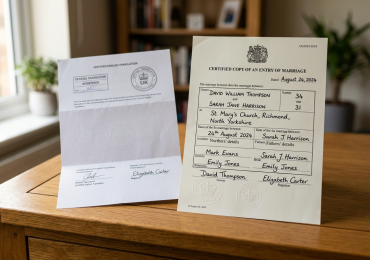
Certified translation is a specialized service that ensures the accuracy and authenticity of translated documents. In the context of mortgage applications, certified translations are crucial for non-English speakers who need to provide documentation to lenders in the UK. These translations must be performed by qualified professionals who can attest to the accuracy of the translation through a signed statement. This certification is essential because mortgage lenders require proof that the information presented in the documents is reliable and correctly interpreted.
The importance of certified translation in mortgage applications cannot be overstated. When applying for a mortgage, applicants typically need to provide a variety of documents, including proof of identity, income statements, and bank statements. If any of these documents are in a foreign language, they must be translated into English by a certified translator to meet the lender’s requirements. Failure to provide certified translations can lead to delays in the mortgage approval process or even rejection of the application altogether.
Moreover, certified translations help to eliminate misunderstandings that may arise from language barriers. For instance, financial terms can have specific meanings that differ across languages. A certified translator ensures that these terms are accurately conveyed, which is critical in the context of financial transactions like mortgages. Thus, understanding the role and significance of certified translation is vital for anyone looking to secure a mortgage in the UK.
Key Mortgage Translation Requirements in the UK
When applying for a mortgage in the UK, there are several key documents that typically require translation. These include:
- Proof of Identity: This may include passports, national identity cards, or other official identification documents.
- Proof of Income: This can consist of payslips, tax returns, or employment contracts that demonstrate the applicant’s financial stability.
- Bank Statements: Recent bank statements are often required to assess the applicant’s financial situation.
- Property Documents: If the applicant is purchasing property abroad, documents related to that property may also need translation.
Each lender in the UK may have specific requirements regarding the format and certification of translated documents. For instance, some lenders may require that translations be done by a professional translator who is a member of a recognized translation association. Others might specify that the translations include a signed statement confirming the translator’s qualifications and the accuracy of the translation.
Additionally, it is essential to check if the lender has particular preferences regarding the layout and presentation of the translated documents. Some may require translations to be presented alongside the original documents, while others may accept them as standalone files. Understanding these requirements is crucial to ensure a smooth mortgage application process.
How to Translate Documents for Mortgage Applications
Translating documents for mortgage applications involves a systematic approach to ensure accuracy and compliance with lender requirements. Here is a step-by-step process to follow:
- Identify Required Documents: Begin by listing all documents that need translation, including proof of identity, income statements, and bank statements.
- Choose a Certified Translator: Select a professional translator who specializes in financial documents and is certified. Look for qualifications, experience, and reviews from previous clients.
- Provide Clear Instructions: When contacting the translator, provide clear instructions regarding the documents that need translation and any specific requirements from your lender.
- Review Translations: Once the translator completes the work, review the translations for accuracy. Ensure that all financial terms are correctly translated and that the document format meets lender requirements.
- Obtain Certification: Request a certification statement from the translator, which includes their qualifications and an attestation of the translation’s accuracy.
- Submit Translations: Finally, submit the certified translations along with your mortgage application to the lender, ensuring that you include any necessary original documents.
Choosing a certified translator is a critical step in this process. Look for professionals who have experience in translating financial documents, as they will be familiar with the specific terminology and nuances involved. Additionally, ensure that the translator is recognized by relevant professional bodies, which can add credibility to the translations.
Foreign Income Document Translation
A foreign income document is any financial document that verifies income earned outside of the UK. This can include pay slips, tax returns, or bank statements from foreign banks. For individuals applying for a mortgage in the UK, these documents must be translated into English to provide lenders with a clear understanding of the applicant’s financial situation.
The necessity of translating foreign income documents arises from the need for lenders to assess the applicant’s ability to repay the mortgage. Lenders require a comprehensive view of an applicant’s financial health, which includes income from all sources. If an applicant has foreign income, it is essential to provide accurate translations that reflect the true nature of that income.
Moreover, incorrect or incomplete translations can lead to misunderstandings, potentially jeopardizing the mortgage application. For instance, if a foreign income document is inaccurately translated, it may misrepresent the applicant’s financial stability, leading to a denial of the mortgage. Therefore, ensuring that foreign income documents are translated correctly and certified is crucial for a successful mortgage application.
Bank Statement Translation for Mortgage Applications
Translating bank statements is a vital part of the mortgage application process, especially for applicants with accounts in foreign banks. Bank statements provide lenders with insights into an applicant’s financial behavior, including income, expenses, and overall financial health. When these statements are in a foreign language, they must be accurately translated into English to meet lender requirements.
The importance of translating bank statements lies in their role in verifying an applicant’s financial status. Lenders use bank statements to assess the applicant’s ability to manage finances and repay the mortgage. A well-translated bank statement should clearly reflect all transactions, balances, and any other relevant financial information.
Common issues that can arise during the translation of bank statements include:
- Inaccurate Translations: Misinterpretation of financial terms can lead to significant errors, affecting the overall understanding of the applicant’s financial situation.
- Formatting Issues: Lenders may have specific formatting requirements for translated documents. Failing to adhere to these can result in delays or rejections.
- Incomplete Information: If a bank statement is not fully translated, it may omit critical financial details that lenders need to assess the application.
To avoid these issues, it is essential to work with a certified translator who understands financial terminology and can accurately convey the information contained in bank statements. This ensures that the translated documents meet the necessary standards for mortgage applications.
Common Challenges in Mortgage Translation
Translating mortgage-related documents presents several challenges, particularly due to language barriers and the complexity of financial terminology. Here are some common challenges faced during the translation process:
- Language Barriers: Applicants may struggle to communicate their needs effectively, leading to misunderstandings about what documents require translation.
- Misinterpretation of Financial Terms: Financial terminology can vary significantly between languages. A term that seems straightforward in one language may have a different connotation in another, leading to potential errors in translation.
- Cultural Differences: Certain financial concepts may not have direct equivalents in other languages, making it challenging for translators to convey the intended meaning accurately.
- Document Format Variations: Different countries have varying formats for financial documents, which can complicate the translation process. Ensuring that the translated document aligns with UK standards is essential.
To mitigate these challenges, it is advisable to engage a professional translator with experience in financial translations. They will possess the necessary knowledge to navigate these complexities and provide accurate translations that meet lender requirements. Additionally, clear communication between the applicant and the translator can help ensure all necessary documents are identified and translated correctly.
Choosing the Right Translation Service
Selecting the right translation service is a crucial step in ensuring that your mortgage application process goes smoothly. Here are some factors to consider when choosing a translation service:
- Qualifications and Experience: Look for services that employ certified translators with experience in financial translations. Verify their qualifications and ask for examples of their work.
- Reputation: Research the translation service’s reputation by reading reviews and testimonials from previous clients. A reputable service will have positive feedback regarding their accuracy and reliability.
- Turnaround Time: Ensure that the service can meet your deadlines. Mortgage applications often have strict timelines, so timely translations are essential.
- Cost vs. Quality: While cost is a factor, it should not be the only consideration. Cheaper services may compromise on quality, leading to potential issues with your mortgage application. Balance cost with the quality of service offered.
- Customer Support: Choose a service that provides excellent customer support. Being able to communicate easily with the service can help clarify any questions or concerns during the translation process.
By carefully evaluating these factors, you can select a translation service that meets your needs and helps facilitate a successful mortgage application process.
Frequently Asked Questions
What is certified translation?
A certified translation is a document that has been translated by a qualified translator and includes a signed statement attesting to its accuracy.
What documents need to be translated for a mortgage application?
Typically, you need to translate proof of identity, income documents, bank statements, and any other relevant financial documents.
How long does it take to get documents translated?
The time varies depending on the document length and complexity, but most translations can be completed within a few days.
Are there specific translation requirements for different lenders?
Yes, each lender may have specific requirements regarding the format and certification of translated documents.
Can I use a non-certified translation for my mortgage application?
No, most lenders require certified translations to ensure accuracy and authenticity.