Understanding Companies House Translation Requirements
Companies House is the official government register of companies in the United Kingdom. It plays a crucial role in maintaining transparency and accountability within the business environment. For international businesses looking to register or operate in the UK, understanding the Companies House translation requirements is essential. This ensures that all submitted documents are accurately represented in English, which is the official language for business in the UK.
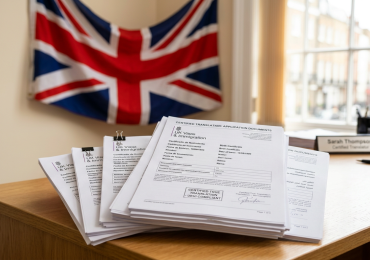
One of the most significant aspects of this process is the need for certified translations. A certified translation is a translation that is accompanied by a signed statement from the translator or translation service, affirming that the translation is accurate and complete. This certification is vital for legal documents, as it provides assurance to Companies House that the translated documents are reliable and can be trusted for official purposes.
The importance of certified translations cannot be overstated. Submitting unverified translations can lead to delays in the registration process, potential legal issues, or even rejection of the application. Therefore, businesses must ensure that their documents, such as articles of association, incorporation certificates, and annual accounts, are translated by a qualified professional who understands the legal terminology and requirements specific to Companies House.
Moreover, Companies House requires that all translations be clear and precise, maintaining the integrity of the original documents. This means that not only must the translation be linguistically accurate, but it should also reflect the formal tone and structure of the original text. Engaging a certified translator who specializes in business and legal translations is crucial to meeting these standards.
Types of Business Documents Requiring Translation
When dealing with Companies House, several types of business documents may require translation. Understanding these documents and their specific translation needs is critical for compliance and successful registration. Here are the primary types of documents that typically need translation:
- Articles of Association Translation UK: The articles of association outline the rules governing the company’s operations and management. This document is essential for Companies House as it provides insight into the company structure and governance. Accurate translation is necessary to ensure that all provisions are correctly interpreted and comply with UK law.
- Incorporation Certificate Translation: The incorporation certificate is a legal document that confirms the formation of a company. It includes vital information such as the company name, registration number, and date of incorporation. A certified translation of this document is required to verify the company’s legitimacy and ensure that it meets all legal requirements for operation in the UK.
- Annual Accounts Translation UK: Companies are required to submit annual accounts to Companies House, detailing their financial performance. These accounts must be translated accurately to reflect the company’s financial status. This includes balance sheets, profit and loss statements, and cash flow statements. Misinterpretation of financial data can lead to serious consequences, including legal penalties.
Each of these documents plays a critical role in the registration and operation of a business in the UK. Therefore, ensuring their accurate translation is paramount for compliance with Companies House regulations.
The Process of Translating Company Documents
The process of translating company documents for Companies House involves several key steps to ensure accuracy and compliance. Here’s a detailed overview of the steps involved:
- Identify Required Documents: Begin by determining which documents need translation. This typically includes articles of association, incorporation certificates, and annual accounts. Understanding the specific requirements for each document is crucial.
- Choose a Certified Translator: Selecting a qualified translator is one of the most important steps in the translation process. Look for translators who specialize in legal and business translations, as they will be familiar with the terminology and requirements specific to Companies House. Ensure that the translator is certified and has experience with similar documents.
- Provide Context and Instructions: When submitting documents for translation, provide the translator with any necessary context or specific instructions. This may include details about the intended use of the documents and any particular legal requirements that must be met.
- Review the Translated Document: Once the translation is complete, review the document for accuracy. It’s advisable to have another qualified professional or a native speaker review the translation to ensure that it accurately reflects the original document.
- Obtain Certification: After reviewing the translation, request a certification from the translator. This certification should state that the translation is accurate and complete, which is a requirement for submission to Companies House.
- Submit to Companies House: Finally, submit the certified translation along with the original documents to Companies House. Ensure that all submissions comply with their guidelines to avoid any delays or rejections.
By following these steps, businesses can navigate the translation process effectively and ensure that their documents meet the necessary requirements for Companies House.
Common Challenges in Document Translation
Translating business documents for Companies House can present several challenges that need to be addressed to ensure compliance and accuracy. Understanding these challenges can help businesses prepare better and mitigate potential issues:
- Legal Terminology Nuances: Legal language can be complex and varies significantly between languages. Translators must have a deep understanding of both the source and target languages, as well as the legal implications of the terms used. Misinterpretation of legal terminology can lead to serious consequences, including legal disputes or rejection of documents.
- Maintaining Document Integrity: Ensuring that the translation maintains the integrity of the original document is crucial. This includes preserving the format, structure, and tone of the original text. Any discrepancies can raise questions about the credibility of the translation and may result in complications during the submission process.
- Adhering to Local Regulations: Each country has its own legal requirements regarding document translations. It’s essential for translators to be aware of the specific regulations that apply to Companies House in the UK. Failure to adhere to these regulations can result in the rejection of documents or legal penalties.
Addressing these challenges requires careful planning, selecting the right translation service, and ensuring that all parties involved are aware of the importance of accuracy and compliance in the translation process.
Best Practices for Ensuring Accurate Translations
To achieve high-quality translations that meet Companies House requirements, businesses should implement best practices throughout the translation process. Here are some effective strategies:
- Engage Qualified Professionals: Always hire certified translators with experience in legal and business translations. Verify their qualifications and request samples of previous work to assess their capabilities.
- Establish Clear Communication: Maintain open lines of communication with the translator. Provide them with all necessary context and specific instructions regarding the translation. This helps to ensure that the final product meets your expectations.
- Implement Quality Assurance Measures: Incorporate a review and revision process into your translation workflow. This may involve having a second translator or a subject matter expert review the translation for accuracy and completeness.
- Utilize Technology Wisely: Consider using translation management software to streamline the translation process. These tools can help manage projects, track changes, and maintain consistency across documents.
- Document Formatting: Ensure that the translated document mirrors the format of the original. This includes maintaining headings, bullet points, and any other formatting elements that contribute to the document’s clarity and professionalism.
By adhering to these best practices, businesses can significantly enhance the quality and reliability of their translations, ensuring compliance with Companies House requirements.
How to Choose the Right Translation Service
Selecting the right translation service is crucial for ensuring that your documents meet the necessary standards for Companies House. Here are some key factors to consider when making your choice:
- Expertise in Business and Legal Translations: Look for translation services that specialize in business and legal translations. They should have a deep understanding of the terminology and requirements specific to Companies House.
- Certification and Accreditation: Ensure that the translation service is certified and accredited by relevant professional bodies. This adds an extra layer of credibility to their services.
- Client Reviews and Testimonials: Research client reviews and testimonials to gauge the quality of the service. Positive feedback from previous clients can indicate reliability and professionalism.
- Turnaround Time: Consider the turnaround time offered by the translation service. Ensure that they can meet your deadlines without compromising on quality.
- Cost Transparency: Request a detailed quote that outlines all costs associated with the translation. Avoid services that do not provide clear pricing, as hidden fees can lead to unexpected expenses.
Asking potential translators the right questions can also help you assess their capabilities. Inquire about their experience with Companies House translations, their process for ensuring accuracy, and how they handle revisions. By carefully evaluating your options, you can select a translation service that meets your needs and ensures compliance with Companies House regulations.
Case Studies: Successful Document Translations
Examining real-world examples of successful document translations can provide valuable insights into the impact of professional translations on business operations. Here are a few case studies that highlight the importance of accurate translations for Companies House:
- Case Study 1: International Tech Company – A tech company based in Germany sought to expand its operations into the UK market. They required translations of their articles of association and incorporation certificate. By engaging a certified translation service, they ensured that their documents were accurately translated and submitted on time, leading to a smooth registration process with Companies House. This allowed them to establish a UK branch quickly and begin operations without legal delays.
- Case Study 2: Manufacturing Firm – A manufacturing firm from France needed to submit annual accounts to Companies House. They initially attempted to use a non-certified translation service, which resulted in a rejection of their documents due to inaccuracies. After engaging a professional translation service specializing in legal documents, they successfully resubmitted their accounts, leading to compliance with UK regulations and the continuation of their business operations in the UK.
- Case Study 3: Financial Services Provider – A financial services provider from Spain required translations of multiple documents for their UK registration. They faced challenges with legal terminology and document integrity. By working with a translation service that offered expertise in financial translations, they were able to navigate the complexities of the process and achieve successful registration with Companies House, enhancing their credibility in the UK market.
These case studies illustrate the critical role that accurate and certified translations play in facilitating successful business operations in the UK. By investing in professional translation services, companies can avoid potential pitfalls and ensure compliance with Companies House requirements.
Conclusion: The Importance of Professional Translation
In conclusion, the translation of business documents for Companies House is a vital process that requires careful attention to detail and adherence to specific requirements. Understanding the types of documents that need translation, the challenges involved, and the best practices for ensuring accuracy can significantly impact a company’s ability to operate successfully in the UK.
Professional translation services offer the expertise and reliability necessary to navigate this complex landscape. By engaging certified translators, businesses can ensure that their documents are accurately represented and compliant with legal standards, ultimately facilitating smoother interactions with Companies House.
Investing in professional translation services is not just about meeting regulatory requirements; it’s about enhancing your business’s credibility and operational efficiency in a competitive market. As such, companies should prioritize obtaining high-quality translations to support their growth and success in the UK.
Frequently Asked Questions
What are Companies House translation requirements?
Documents submitted to Companies House must be certified; translations must be accurate and complete to ensure compliance with legal standards.
How do I translate articles of association for Companies House?
To translate articles of association for Companies House, hire a certified translator who understands legal standards and ensure compliance with UK regulations.
What is the process for incorporating a company with translated documents?
The process involves submitting translated documents to Companies House and following specific guidelines for each document type to ensure compliance.
Why is it important to use a certified translator?
Using a certified translator ensures legal validity and reduces the risk of errors in critical documents, which is essential for compliance with Companies House.
Can I translate my own business documents for Companies House?
Self-translations are generally not accepted for Companies House; professional certification is required to ensure accuracy and compliance.