
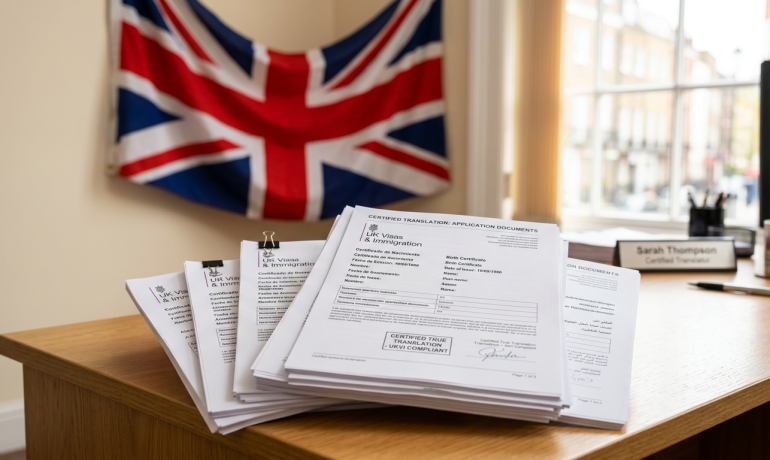
What is UKVI Translation?
UKVI translation refers to the translation of documents required by the UK Visas and Immigration (UKVI) department as part of the visa application process. This type of translation ensures that all documents submitted by applicants, who may not be native English speakers, are accurately translated into English. The importance of UKVI translation cannot be overstated, as it plays a crucial role in the evaluation of visa applications. Inaccurate or incomplete translations can lead to delays, rejections, or even the denial of a visa application.
When applying for a visa, applicants are often required to submit a variety of documents, including birth certificates, marriage certificates, academic transcripts, and more. These documents must be translated by certified professionals who adhere to specific standards set by the UKVI. This ensures that the translations are not only accurate but also meet the legal requirements necessary for processing the application.
Furthermore, UKVI translation is essential for maintaining the integrity of the immigration process. By requiring certified translations, the UKVI can ensure that all information provided by applicants is clear and understandable, thereby facilitating a fair assessment of each case. The stakes are high, as a successful visa application can lead to opportunities for education, employment, and family reunification in the UK.
UKVI Translation Requirements
Understanding the UKVI translation requirements is vital for anyone looking to submit documents as part of their visa application. The UKVI mandates that certain documents must be translated into English if they are originally in another language. These documents typically include:
- Birth certificates
- Marriage certificates
- Divorce certificates
- Academic transcripts and diplomas
- Police clearance certificates
- Medical records
- Employment letters
- Financial statements
Each of these documents plays a significant role in the visa application process, and accurate translations are essential for the UKVI to assess the applicant’s eligibility. Additionally, the translations must be certified, meaning they must be completed by a qualified translator or translation service that can provide a signed statement confirming the accuracy of the translation.
Certification requirements for translations include:
- The translator must be fluent in both the source and target languages.
- The translation must be a complete and accurate representation of the original document.
- The translator must provide a signed statement or certificate confirming their qualifications and the accuracy of the translation.
- The translated documents must be presented alongside the original documents during the visa application process.
Failure to meet these requirements can result in delays or rejection of the visa application. Therefore, it is advisable to engage a reputable translation service that specializes in UKVI translations to ensure compliance with all regulations.
Common UKVI Translation Questions
Many applicants have questions regarding UKVI translations, particularly concerning the types of documents that require translation and the process involved. Below are some frequently asked questions:
What documents need UKVI translation?
All documents submitted for visa applications must be translated if they are not in English. This includes essential documents such as:
- Birth certificates
- Marriage certificates
- Academic transcripts
- Criminal record checks
- Medical reports
Each of these documents must be accurately translated to avoid complications during the visa application process.
How long does UKVI translation take?
The time required for UKVI translation varies based on the complexity and length of the documents being translated. Generally, the translation process can take anywhere from 3 to 7 business days. However, for more complex documents or large volumes of text, it may take longer. It is advisable to plan ahead and allow sufficient time for translations to be completed before submitting your visa application.
Is a certified translation necessary for UKVI?
Yes, certified translations are required for all documents submitted to the UKVI. This means that the translations must be performed by a qualified translator or translation service that can provide a certification of accuracy. Non-certified translations are not accepted and can lead to delays or denial of the visa application.
Can I translate my own documents for UKVI?
No, self-translations are not accepted by the UKVI. All translations must be completed by a professional translator or a certified translation service. This rule is in place to ensure the accuracy and impartiality of the translations, which is crucial for the visa application process.
What is the cost of UKVI translation?
The cost of UKVI translation varies by service provider and is typically based on the word count and the type of document being translated. It is advisable to obtain quotes from multiple translation services to find a competitive rate. Keep in mind that while cost is an important factor, the quality and accuracy of the translation should be the top priority.
UKVI Document Translation Rules
When preparing documents for translation for UKVI purposes, there are specific rules that must be followed to ensure compliance and avoid complications:
- Complete Translations: The entire document must be translated, including any stamps, signatures, and notations. Partial translations will not be accepted.
- Accuracy: The translation must be an accurate representation of the original document. Any discrepancies can lead to issues with the visa application.
- Formatting: Translations should maintain the same format as the original documents. This includes layouts, headings, and any other relevant formatting elements.
- Certification: Every translated document must be accompanied by a certification statement from the translator, confirming their qualifications and the accuracy of the translation.
Common pitfalls to avoid include:
- Failing to translate all sections of a document, including headers and footers.
- Using unqualified translators who may not have the necessary expertise in legal or immigration terminology.
- Ignoring the formatting requirements, which can lead to confusion or misinterpretation of the information.
By adhering to these rules and avoiding common mistakes, applicants can ensure that their translated documents meet the UKVI’s requirements and facilitate a smoother visa application process.
UKVI Translation Format
Understanding the accepted formats for translated documents is crucial when preparing your application for UKVI. The UKVI typically accepts translations in the following formats:
- Printed Documents: Translations should be printed on official letterhead if available, which adds credibility to the document.
- Digital Formats: Some applications may allow for digital submissions, but it is essential to check with the UKVI for specific requirements regarding digital formats.
- Hard Copies: If submitting hard copies, ensure that they are clear and legible, with no smudges or alterations.
Formatting guidelines to follow include:
- Maintain the original layout as closely as possible.
- Use clear and professional fonts that are easy to read.
- Include the translator’s contact information and certification statement on the translated document.
Adhering to these formatting guidelines will help ensure that your translated documents are accepted by the UKVI without any issues.
UKVI Accepted Translation FAQ
When navigating the UKVI translation process, understanding what constitutes an accepted translation is essential. Here are some key points to consider:
What constitutes an accepted translation?
An accepted translation must meet the following criteria:
- It must be completed by a qualified translator or a certified translation service.
- The translation must be accurate and complete, reflecting the original document in its entirety.
- The translator must provide a signed statement confirming their qualifications and the accuracy of the translation.
Differences between certified and non-certified translations
Certified translations are those that come with a certification statement from the translator, indicating that they are qualified and that the translation is accurate. Non-certified translations do not include this certification and are not accepted by the UKVI. It is crucial to ensure that all translations submitted for visa applications are certified to avoid complications.
How to Choose a UKVI Translation Service
Selecting a reputable UKVI translation service is critical for ensuring that your documents are translated accurately and meet all requirements. Here are some factors to consider when choosing a service:
- Experience: Look for a translation service with a proven track record in UKVI translations. Experience in handling immigration-related documents can be a significant advantage.
- Accreditation: Ensure that the translators are accredited by recognized professional bodies. This adds credibility to the translations and ensures compliance with UKVI standards.
- Client Reviews: Check for testimonials or reviews from previous clients. Positive feedback can provide insight into the quality of service and accuracy of translations.
- Turnaround Times: Inquire about the typical turnaround times for translations. Choose a service that can meet your deadlines without compromising quality.
- Cost: While cost should not be the only factor, it is essential to obtain quotes from multiple providers to ensure you are getting a fair price for the service.
By considering these factors, you can select a UKVI translation service that meets your needs and helps ensure a successful visa application process.
Tips for a Smooth UKVI Translation Process
Preparing your documents for UKVI translation can be a straightforward process if you follow these tips:
- Gather All Necessary Documents: Make a checklist of all documents that require translation and ensure you have the originals available.
- Choose a Qualified Translator: Engage a professional translator or translation service with experience in UKVI translations to ensure accuracy and compliance.
- Communicate Clearly: Provide the translator with clear instructions regarding the purpose of the translation and any specific requirements from the UKVI.
- Review Translations: Once the translations are complete, review them for accuracy and completeness before submission. This can help identify any potential issues early on.
By following these steps, you can streamline the translation process and enhance your chances of a successful visa application.
Frequently Asked Questions
What documents need UKVI translation?
All documents submitted for visa applications must be translated if they are not in English. This includes birth certificates, marriage certificates, and academic transcripts.
How long does UKVI translation take?
The time required for UKVI translation varies based on document complexity and typically ranges from 3 to 7 business days.
Is a certified translation necessary for UKVI?
Yes, certified translations are required. They must be done by a qualified translator to ensure accuracy and compliance with UKVI standards.
Can I translate my own documents for UKVI?
No, self-translations are not accepted. All translations must be performed by a professional translator or a certified translation service.
What is the cost of UKVI translation?
Costs vary by service provider and are typically based on word count and document type. It is advisable to obtain quotes from multiple providers.
