Understanding Pension Transfers in the UK
A pension transfer refers to the process of moving your pension savings from one scheme to another. In the UK, this can involve transferring funds between different types of pension schemes, such as from a defined benefit (DB) scheme to a defined contribution (DC) scheme, or between personal pensions. The primary goal of a pension transfer is often to consolidate retirement savings for easier management or to take advantage of better investment options and lower fees.
There are several types of pension transfers available in the UK:
- Defined Benefit to Defined Contribution Transfers: This involves moving funds from a DB scheme, which promises a specific payout at retirement, to a DC scheme where the payout depends on investment performance.
- QROPS Transfers: Qualifying Recognised Overseas Pension Schemes (QROPS) allow individuals with pensions in the UK to transfer their funds to an overseas pension scheme, often for tax benefits and flexibility.
- Intra-Scheme Transfers: This type of transfer occurs within the same pension provider but between different schemes, allowing for better investment options or fee structures.
- Consolidation Transfers: Individuals may choose to consolidate multiple pensions into one scheme, simplifying their retirement planning and potentially reducing fees.
Understanding the nuances of each type of transfer is crucial, as it can significantly impact your retirement savings and tax obligations. Each option has its own set of rules and implications, making it essential to seek professional advice when considering a pension transfer.
Importance of Document Translation for Pension Transfers
When transferring pensions, especially if you are dealing with foreign pension schemes or moving to another country, the translation of documents becomes a critical aspect of the process. Accurate translation ensures that all relevant information is clearly communicated to the receiving pension provider, which is essential for compliance and processing.
There are several reasons why translation is crucial for pension transfers:
- Legal Compliance: Many pension providers, especially those in the UK, require translated documents to comply with regulatory standards. This is particularly true for foreign pension plans, which must be accurately represented in English for UK authorities.
- Clarity and Accuracy: Misinterpretations or errors in translation can lead to significant issues, including delays in processing your transfer or even rejection of your application. Accurate translations help ensure that all parties understand the terms and conditions of the pension scheme.
- Tax Implications: Certain translations may be necessary for tax reporting purposes, especially when dealing with HMRC. Incorrect translations could lead to tax liabilities or penalties.
The legal requirements for translated documents can vary based on the type of pension and the country involved. It is essential to familiarize yourself with these requirements to ensure a smooth transfer process.
Types of Documents That Need Translation
When preparing for a pension transfer, several key documents typically require translation:
- Pension Statements: These documents provide a summary of your pension savings, including contributions, investment performance, and projected payouts. Accurate translation is necessary to convey this information clearly to the new provider.
- QROPS Documentation: If you are transferring to a QROPS, specific documentation must be translated to ensure compliance with both UK and overseas regulations. This may include scheme rules, benefit statements, and tax implications.
- Foreign Pension Plans: Any documentation related to foreign pension plans must be translated to meet the requirements of HMRC and the receiving pension provider. This includes details about contributions, benefits, and the regulatory framework of the foreign scheme.
Each of these documents plays a vital role in the pension transfer process, and ensuring their accuracy through professional translation can prevent complications down the line.
How to Translate Pension Documents for UK Transfer
Translating pension documents for a UK transfer involves several key steps to ensure accuracy and compliance:
- Identify Required Documents: Begin by listing all the documents that need translation, including pension statements, QROPS documentation, and any foreign pension plans.
- Choose a Professional Translation Service: Select a translation service that specializes in financial and legal documents. Look for providers with experience in pension translations to ensure they understand the specific terminology and legal requirements.
- Provide Context: When submitting documents for translation, provide context about the purpose of the translation and any specific requirements from the receiving pension provider. This will help the translator produce the most accurate translation.
- Review and Verify: Once the translation is complete, review the documents for accuracy. It may be beneficial to have a second pair of eyes, such as a financial advisor, check the translations to ensure all critical information is correctly conveyed.
Choosing the right translation service is crucial, as the quality of the translation can significantly impact the success of your pension transfer. Look for services that offer certified translations, as these are often required by pension providers.
Certified Translation for HMRC Requirements
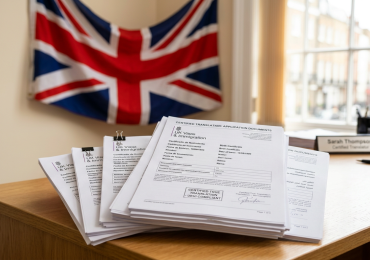
Certified translation refers to a translation that comes with a signed statement from the translator or translation company, affirming that the translation is accurate and complete. This type of translation is often required by HMRC for various financial documents, including those related to pension transfers.
HMRC requires certified translations for foreign pensions to ensure that all information is accurately represented in English. This is essential for compliance with UK tax laws and regulations. Without a certified translation, your pension transfer may face delays or complications, potentially leading to financial penalties.
To obtain a certified translation, follow these steps:
- Choose a reputable translation service that specializes in certified translations.
- Provide the original documents along with any specific instructions regarding the translation.
- Request a certification statement to accompany the translated documents.
By ensuring that your translations are certified, you can facilitate a smoother pension transfer process and avoid potential issues with HMRC.
Choosing a Professional Translation Service
When selecting a translation service for pension document translation, consider the following qualities:
- Specialization in Financial Translation: Look for a service that specializes in financial and legal translations. This ensures that they are familiar with the terminology and nuances of pension documents.
- Experience with Certified Translations: The service should have a proven track record of providing certified translations, especially for financial documents required by HMRC.
- Positive Reviews and Testimonials: Research the service’s reputation by reading reviews and testimonials from previous clients. This can provide insight into their reliability and quality of work.
- Quick Turnaround Times: Given the time-sensitive nature of pension transfers, choose a service that can provide timely translations without compromising quality.
Using a specialized financial translation service can offer significant benefits, including accuracy, compliance with legal requirements, and peace of mind during the pension transfer process.
Common Challenges in Pension Document Translation
Translating pension documents can present several challenges, including:
- Language Barriers: Different languages may have unique terms and phrases that do not translate directly, leading to potential misunderstandings. Professional translators are trained to navigate these complexities.
- Understanding Financial Terminology: Pension documents often contain specialized financial terms that require a deep understanding of both the source and target languages. Misinterpretation of these terms can lead to significant issues in the transfer process.
- Cultural Nuances in Documentation: Different countries may have varying standards and practices regarding pension documentation. A translator familiar with these cultural nuances can ensure that the translation is not only accurate but also contextually appropriate.
Addressing these challenges through professional translation services can help ensure that your pension transfer process is smooth and compliant with all regulations.
Cost and Time Considerations for Document Translation
The cost and time required for translating pension documents can vary based on several factors:
- Document Length and Complexity: Longer and more complex documents typically require more time and resources to translate, which can increase costs.
- Urgency of the Translation: If you need the translation completed quickly, many services offer expedited options at a higher cost.
- Type of Translation Required: Certified translations may come at a premium compared to standard translations due to the additional verification processes involved.
Typical turnaround times for pension document translation range from a few days to a week, depending on the service provider and the complexity of the documents. It is advisable to request a quote and estimated delivery time upfront to avoid surprises.
Conclusion: Ensuring a Smooth Pension Transfer Process
Accurate translations of pension documents are vital for ensuring a smooth and successful pension transfer process. By understanding the importance of translation, the types of documents that require translation, and the steps involved in obtaining certified translations, you can navigate this complex process more effectively.
To recap, always choose a professional translation service that specializes in financial documents, ensure that all translations are certified, and be aware of the potential challenges that may arise during the translation process. By taking these steps, you can facilitate a seamless pension transfer and secure your financial future.
Frequently Asked Questions
What documents need to be translated for a UK pension transfer?
The documents that typically need to be translated include pension statements, QROPS documentation, and foreign pension plans.
How long does it take to translate pension documents?
The time required for translation varies by service provider, but it usually takes a few days to a week depending on the complexity of the documents.
What is certified translation and why is it necessary?
A certified translation is an official translation that comes with a signed statement from the translator, affirming its accuracy. It is required by HMRC for pension transfers to ensure compliance.
Can I translate my own pension documents?
Self-translation is not recommended, as official bodies often require certified translations to ensure accuracy and compliance.
How much does pension document translation cost?
Costs vary by service provider and depend on the document length and complexity, so it is advisable to request quotes from multiple services.