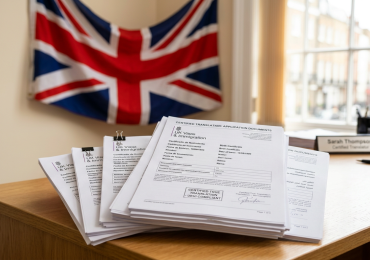
Understanding the Importance of Document Translation in Foster Care
Document translation plays a critical role in the foster care process in the UK, particularly for individuals and families who are not native English speakers. The fostering application process requires a range of documents that must be accurately translated to ensure that all parties involved understand the information being presented. This is essential not only for effective communication but also for compliance with legal requirements.
When documents such as birth certificates, medical records, and background checks are not translated correctly, it can lead to misunderstandings that may jeopardize the approval of a foster care application. Legal implications can arise if untranslated documents contain vital information that is misinterpreted or overlooked. For example, a misstatement in a medical record could lead to concerns about the health of a child being placed in a foster home, potentially resulting in delays or denials of the application.
Moreover, the UK government mandates that all documents submitted for fostering assessments must be in English or accompanied by certified translations. This requirement ensures that social workers and other officials can accurately assess the suitability of prospective foster parents. Failure to comply with these translation requirements can result in significant delays in the application process or even outright rejection, underscoring the importance of engaging professional translation services.
In summary, proper document translation is not just a procedural formality in the foster care application process; it is a critical component that can significantly affect the outcome of an application. Ensuring that all documentation is accurately translated and certified is essential for fostering success and the well-being of children in need of care.
Key Documents Required for Foster Care Applications
The foster care application process in the UK requires several key documents, each of which may have specific translation needs. Understanding these documents and their requirements is crucial for prospective foster parents. Below is a list of essential documents typically required:
- Birth Certificates: These documents provide proof of identity and age. Translations must be accurate and include all details such as names, dates, and places of birth.
- Medical Records: These records outline the health history of the applicant and any children involved. Translations should maintain medical terminology accuracy to avoid misinterpretation.
- Background Checks: Criminal record checks are essential for assessing the safety of the foster home. Translations must clearly convey the results and any relevant details.
- References: Personal references from previous employers or community members may be required. These should be translated to reflect the context and intent of the original documents.
- Financial Statements: Proof of financial stability is often necessary. Translations must accurately reflect financial data and terms used in the original documents.
Each of these documents may have specific translation needs based on their content and purpose. For instance, medical records require a translator with expertise in medical terminology to ensure that all health-related information is conveyed correctly. Similarly, background checks must be translated with precision to maintain the integrity of the legal information presented.
In addition to these documents, any additional paperwork requested by the fostering agency must also be translated. This may include training certificates, home assessments, and other relevant documentation. Engaging a professional translation service that specializes in foster care documentation is essential to ensure compliance with all requirements.
Foster Care Document Translation Requirements in the UK
In the UK, there are specific requirements for translating documents related to foster care applications. Understanding these requirements is paramount for prospective foster parents to ensure that their applications are processed smoothly and efficiently.
Firstly, all documents submitted to fostering agencies must be translated into English if they are originally in another language. The UK government requires that these translations be certified, which means they must be completed by a professional translator or a translation agency that is recognized for its accuracy and reliability.
Certification involves a signed statement from the translator affirming that the translation is a true and accurate representation of the original document. This certification is crucial as it assures the fostering agency that they can trust the information provided. Additionally, some agencies may require notarization of the translation, which involves a legal professional verifying the translator’s credentials and the authenticity of the translation.
It is also important to note that the format of the translated documents should closely mirror that of the original documents. This includes maintaining the layout, fonts, and any official seals or stamps that may be present. This attention to detail helps to prevent any issues during the review process.
Furthermore, specific documents may have additional requirements based on the fostering agency’s policies. For example, some agencies may request that translations be accompanied by an apostille, which is a form of authentication for international documents. Understanding these nuances is essential for ensuring that all documentation meets the necessary standards.
In summary, the requirements for foster care document translation in the UK emphasize the importance of accuracy, certification, and adherence to specific formatting guidelines. Engaging a professional translation service familiar with these requirements can greatly enhance the likelihood of a successful application.
How to Translate Documents for Foster Care in the UK
Translating documents for foster care applications in the UK involves several important steps to ensure accuracy and compliance with legal requirements. Here’s a detailed guide on how to navigate this process effectively:
- Choose a Reputable Translation Service: Selecting a translation service that specializes in legal and foster care document translation is crucial. Look for agencies with certified translators who have experience in this specific field. Check for reviews and testimonials to gauge their reliability.
- Provide Clear Instructions: When submitting documents for translation, provide clear instructions regarding the purpose of the translation and any specific requirements from the fostering agency. This helps the translator understand the context and ensures that the translation meets all necessary standards.
- Ensure Document Quality: Before sending documents for translation, ensure that they are clear and legible. High-quality scans or copies will facilitate a more accurate translation. If any documents are damaged or difficult to read, it may lead to errors in translation.
- Review the Translation: Once the translation is completed, review it carefully. Check for any discrepancies or errors, and ensure that all information matches the original documents. If possible, have someone fluent in both languages review the translation for additional accuracy.
- Obtain Certification: After reviewing the translation, ensure that the translator provides a certification statement. This document should affirm that the translation is accurate and complete. If required, arrange for notarization or apostille as per the fostering agency’s guidelines.
- Submit Translated Documents: Finally, submit the translated documents along with the original documents to the fostering agency. Ensure that all submissions are done in accordance with their specific requirements to avoid any delays in the application process.
By following these steps, prospective foster parents can ensure that their documents are translated accurately and meet all necessary legal requirements, thereby facilitating a smoother application process.
Common Challenges in Foster Care Document Translation
Translating documents for foster care applications can present several challenges that may complicate the process. Understanding these challenges can help prospective foster parents prepare effectively and mitigate potential issues.
One of the most significant challenges is dealing with language barriers. Many applicants may come from diverse linguistic backgrounds, and the nuances of their native languages can pose difficulties in translation. For instance, certain terms or phrases may not have direct equivalents in English, leading to potential misunderstandings if not handled carefully.
Cultural nuances also play a crucial role in the translation process. Certain expressions or concepts may carry different meanings in different cultures, which can complicate the translation of documents like personal references or medical records. A translator must be culturally aware to ensure that the intended meaning is preserved in the translation.
Another challenge is the complexity of legal terminology. Foster care documents often contain specialized language that requires a translator with expertise in legal translation. Misinterpretation of legal terms can have serious consequences, including delays or rejections of applications. It is essential to engage translators who are not only fluent in the languages involved but also knowledgeable about the legal context of the documents.
Additionally, the pressure of time constraints can add to the challenges faced during the translation process. Prospective foster parents often have tight deadlines to meet, and any delays in obtaining translations can hinder their application process. It is crucial to plan ahead and allow sufficient time for the translation and certification processes.
In conclusion, while translating documents for foster care applications can be fraught with challenges, being aware of these potential issues can help applicants navigate the process more effectively. Engaging professional translation services that specialize in foster care documentation can significantly reduce the risk of complications.
Case Studies: Successful Foster Care Applications with Translated Documents
Real-life examples can provide valuable insights into the importance of accurate document translation in the foster care application process. Here are a few case studies that highlight successful applications where translated documents played a pivotal role:
Case Study 1: The Garcia Family
The Garcia family, originally from Spain, sought to foster a child in the UK. They provided all necessary documents, including birth certificates and medical records, in Spanish. By engaging a professional translation service, they ensured that all documents were accurately translated and certified. As a result, their application was processed without delays, and they successfully welcomed a child into their home.
Case Study 2: Mr. and Mrs. Chen
Mr. and Mrs. Chen, who moved from China, faced challenges due to the complexity of their legal documents. They required translations of their marriage certificate and financial statements. By working with a translator experienced in legal terminology, they were able to provide precise translations that met the fostering agency’s requirements. Their application was approved, allowing them to become foster parents.
Case Study 3: The Patel Family
The Patel family, who spoke Gujarati, needed to translate various documents for their foster care application. They encountered difficulties when their initial translations were rejected due to inaccuracies. After switching to a certified translation service, they received high-quality translations that were accepted by the fostering agency. Their experience underscores the importance of choosing the right translation provider.
These case studies illustrate how quality translations can significantly impact the foster care application process. Accurate and certified translations not only facilitate smoother communication but also enhance the likelihood of successful outcomes for families seeking to foster children in need.
Frequently Asked Questions About Foster Care Document Translation
What documents need to be translated for a foster care application?
Documents that typically need translation include birth certificates, medical records, and background checks. Each of these documents must be accurately translated to ensure compliance with fostering agency requirements.
How long does it take to translate foster care documents?
Typically, the translation of foster care documents takes between 5-10 business days, depending on the volume and complexity of the documents being translated.
Are translated documents accepted by UK authorities?
Yes, translated documents are accepted by UK authorities if they meet official translation standards, including certification and accuracy.
What is the cost of translating foster care documents?
Costs for translating foster care documents vary based on the type and length of the documents. It is advisable to request a quote from a translation service for specifics.
Do I need a certified translator for foster care documents?
Yes, certified translations are often required for legal documents submitted in foster care applications to ensure their validity and acceptance.