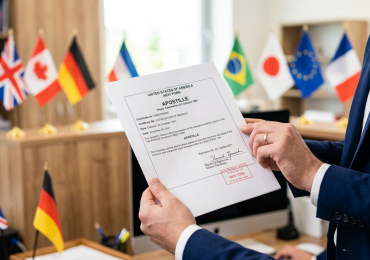

What is Certified Translation?
A certified translation is an official translation of a document that includes a signed statement from the translator attesting to the accuracy and completeness of the translation. This certification is essential for various legal and official purposes, ensuring that the translated document is recognized by authorities and institutions. Certified translations are often required for immigration applications, legal proceedings, academic admissions, and other situations where the authenticity of the document is crucial.
The primary distinction between certified and non-certified translations lies in the level of verification and accountability. A certified translation is performed by a qualified translator who is typically a member of a professional body and understands the specific requirements for certification. This translator guarantees that the translation is an accurate reflection of the original document, which is often accompanied by a certification letter. In contrast, a non-certified translation may be done by anyone and does not carry the same level of authority or reliability. Non-certified translations may suffice for personal use or informal situations but are generally not accepted by official entities.
In the UK, certified translations must meet specific standards to be deemed acceptable by institutions such as the Home Office, universities, and legal bodies. These standards include the translator’s qualifications, the format of the translation, and the inclusion of the translator’s statement. Understanding these differences is vital for anyone needing a translation for official purposes, as using a non-certified translation can lead to delays, rejections, or legal complications.
Certified Translation Requirements in the UK
In the UK, certain documents require certified translation to ensure they are accepted by various authorities. Common documents that typically necessitate certified translation include:
- Legal documents such as contracts, court documents, and affidavits.
- Academic transcripts and certificates required for university admissions.
- Immigration papers, including visas and residency applications.
- Medical records for healthcare registration or insurance purposes.
- Personal documents like birth certificates, marriage certificates, and divorce decrees.
The qualifications of a certified translator are also a critical aspect of the certification process. In the UK, certified translators should ideally possess professional accreditation from recognized bodies such as the Institute of Translation and Interpreting (ITI) or the Chartered Institute of Linguists (CIOL). These organizations ensure that translators adhere to ethical standards and possess the necessary skills to deliver high-quality translations.
Moreover, certified translators must have a deep understanding of both the source and target languages, as well as the cultural nuances that may affect the translation. This expertise ensures that the translated document accurately conveys the meaning and intent of the original text. Additionally, the translator’s certification statement must be included with the translated document, outlining their qualifications and affirming the accuracy of the translation. This statement typically includes the translator’s name, contact information, and signature, providing a point of reference for verification if required.
How Much Does Certified Translation Cost?
The cost of certified translation in the UK can vary significantly based on several factors. Understanding these factors can help individuals and businesses budget appropriately for their translation needs. Key elements influencing the cost include:
- Document Type: Different types of documents may require varying levels of expertise and time to translate. For instance, legal documents may be more complex and thus more expensive than simple personal documents.
- Length of the Document: The number of words or pages in the document directly affects the cost. Most translation services charge per word or per page, so longer documents will naturally incur higher fees.
- Language Pair: Some language pairs are more common than others, and translations between less common languages may be more expensive due to the limited availability of qualified translators.
- Urgency: If a quick turnaround is required, many services offer expedited options for an additional fee. Standard turnaround times may be more economical, but urgent translations can significantly increase costs.
On average, the price for certified translations in the UK typically ranges from £30 to £100 per page, depending on the factors mentioned above. For example, a straightforward birth certificate translation might cost around £30, while a complex legal document could reach £100 or more. It’s advisable to obtain quotes from multiple translation services to ensure competitive pricing and to clarify what is included in the cost, such as the certification statement and any additional services.
How Long Does Certified Translation Take?
Turnaround times for certified translations can vary widely based on several factors, including the complexity of the document, the length of the text, and the workload of the translation service. Typically, standard turnaround times for certified translations range from 2 to 5 business days. However, this can be influenced by:
- Document Complexity: More complex documents, such as legal contracts or technical manuals, may require additional time for thorough translation and review.
- Length of the Document: Longer documents will naturally take more time to translate. A single-page document may be completed quickly, while a multi-page report could take several days.
- Translator Availability: The availability of qualified translators can affect turnaround times. If a specific translator is needed for a particular language pair, this may extend the time required.
- Urgency Requests: Many translation services offer expedited services for an additional fee, allowing clients to receive their translations within 24 hours or even the same day, depending on the document’s complexity.
When planning for certified translation, it’s crucial to communicate your deadlines clearly with the translation service. This ensures they can accommodate your needs and provide a realistic timeframe for completion. Additionally, allowing extra time for unforeseen delays can help mitigate stress and ensure that your documents are ready when needed.
Common Certified Translation Questions
Individuals seeking certified translations often have several common questions. Here are some of the most frequently asked:
What documents need certification?
Legal documents, academic transcripts, immigration papers, and medical records typically require certified translation. These documents are often used in official contexts where accuracy and authenticity are paramount.
Can I certify my own translations?
No, certified translations must be performed by a qualified translator who is not the author of the original document. This ensures impartiality and adds credibility to the translation.
Is notarization required?
Notarization is not always required for certified translations, but it may be necessary for certain legal documents or specific jurisdictions. It’s essential to check the requirements of the institution or authority requesting the translation.
The Importance of Certified Translation
Certified translations play a crucial role in various sectors, including legal, academic, and immigration. They are necessary to ensure that documents are accurately represented and accepted by relevant authorities. The importance of certified translation can be summarized as follows:
- Legal Compliance: Many legal proceedings require certified translations to ensure that all parties understand the documents involved. This is particularly important in court cases, contract negotiations, and other legal matters.
- Academic Acceptance: Universities and educational institutions often require certified translations of academic records for admissions. This ensures that the qualifications of international students are accurately assessed.
- Immigration Requirements: Immigration authorities frequently require certified translations of personal documents, such as birth certificates and marriage licenses, to process applications efficiently and fairly.
- Professional Credibility: Using certified translations enhances the credibility of businesses and individuals in international dealings. It demonstrates a commitment to accuracy and professionalism.
Conversely, using non-certified translations can lead to significant consequences. Documents that are not certified may be rejected by authorities, leading to delays in processes such as visa applications, legal proceedings, or university admissions. Inaccurate translations can also result in misunderstandings, legal disputes, or financial losses. Therefore, ensuring that your translations are certified is essential for navigating official processes smoothly.
How to Choose a Certified Translation Service
Selecting the right certified translation service is crucial for ensuring that your documents are handled professionally and accurately. Here are key factors to consider when choosing a translation provider:
- Qualifications and Experience: Look for services that employ certified translators with relevant qualifications and experience in the specific field of your documents, whether legal, medical, or academic.
- Reputation: Research the translation service’s reputation by reading reviews and testimonials from previous clients. A reputable service should have positive feedback regarding their accuracy, reliability, and customer service.
- Turnaround Times: Ensure that the service can meet your deadlines. Ask about their standard turnaround times and whether they offer expedited services if needed.
- Pricing Transparency: A trustworthy translation service should provide clear pricing information without hidden fees. Request a detailed quote that outlines all costs associated with the translation and certification process.
- Customer Support: Good customer support is essential for addressing any questions or concerns during the translation process. Choose a service that offers accessible communication channels and responsive support.
Before making a final decision, consider asking potential providers specific questions about their processes, certifications, and experience with similar documents. This will help you gauge their expertise and ensure that your translation needs are met effectively.
Conclusion: Navigating Certified Translation
Understanding certified translation is essential for anyone needing accurate and accepted translations of important documents. From legal and academic requirements to immigration processes, certified translations serve a vital role in ensuring that documents are recognized and trusted by relevant authorities.
By familiarizing yourself with the requirements, costs, and timelines associated with certified translation, you can better navigate the process and avoid potential pitfalls. It is always advisable to seek professional help from a qualified translation service to ensure that your documents are translated accurately and certified appropriately.
For further assistance or to request a certified translation, please reach out to our team at Official Translation Service. We are dedicated to providing high-quality translations tailored to your specific needs.
Frequently Asked Questions
What is a certified translation?
A certified translation is an official translation that comes with a signed statement from the translator attesting to its accuracy.
What documents need certified translation?
Legal documents, academic transcripts, immigration papers, and medical records typically require certified translation.
How much does certified translation cost in the UK?
Costs vary based on document type, length, and urgency, but generally range from £30 to £100 per page.
How long does it take to get a certified translation?
Standard turnaround is usually 2-5 business days, but it can vary based on the service provider and document complexity.
Can I certify my own translations?
No, certified translations must be done by a qualified translator who is not the author of the original document.
Is notarization required for certified translations?
Notarization is not always required but may be necessary for certain legal documents or specific jurisdictions.