Understanding the UK Sponsor Licence
A UK Sponsor Licence is a crucial authorization granted by the Home Office that allows employers to hire foreign workers under the UK’s points-based immigration system. This licence is essential for businesses that wish to employ non-UK residents, enabling them to sponsor skilled workers from outside the UK. The importance of obtaining a sponsor licence cannot be overstated, as it not only facilitates the recruitment of international talent but also ensures compliance with immigration laws.
To apply for a sponsor licence, employers must demonstrate their ability to meet specific criteria set by the Home Office. This includes proving that they are a genuine business operating legally in the UK, have appropriate systems in place to monitor sponsored employees, and can comply with the duties of a sponsor. The licence is typically granted for four years, after which it must be renewed. Failure to adhere to the conditions of the licence can result in its revocation, which could severely impact an employer’s ability to recruit talent from abroad.
Moreover, the sponsor licence is not just a formality; it plays a significant role in the overall immigration process. Employers must provide various documents to support their application, and these documents often need to be in English or accompanied by certified translations. This requirement highlights the importance of understanding the nuances of the sponsor licence application process, including the necessity for accurate and legally compliant documentation.
Why Certified Translation is Essential
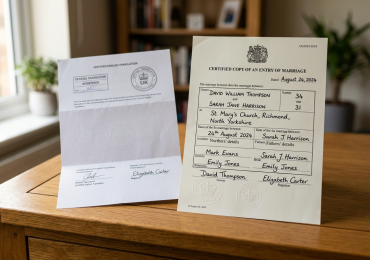
In the context of applying for a UK Sponsor Licence, certified translation is not merely a recommendation; it is a legal requirement. The Home Office mandates that all documents submitted as part of the application process must be in English. If the original documents are in another language, they must be translated by a certified translator who can attest to the accuracy of the translation. This ensures that the Home Office can fully understand the content of the documents without ambiguity.
The consequences of non-compliance with the Home Office’s translation requirements can be severe. Submitting improperly translated documents can lead to delays in the application process, requests for further information, or even outright rejection of the application. For instance, if financial records or employee contracts are not accurately translated, it could raise concerns about the legitimacy of the business or the qualifications of the employees being sponsored. Such issues can jeopardize not only the sponsor licence application but also the employer’s reputation and ability to hire skilled workers.
Furthermore, the Home Office has specific guidelines regarding what constitutes a certified translation. These include the requirement for the translator to provide a signed statement confirming their qualifications and the accuracy of the translation. This statement must accompany the translated documents, further emphasizing the importance of using a qualified and reputable translation service. Therefore, ensuring that all documents are accurately translated and certified is crucial for a successful sponsor licence application.
Documents Requiring Translation for Sponsor Licence Applications
When applying for a UK Sponsor Licence, there are several key documents that typically require translation. Understanding which documents need to be translated is essential for a smooth application process. Here’s a list of common documents that often require certified translation:
- Financial Records: This includes bank statements, balance sheets, and profit and loss accounts. These documents must clearly demonstrate the financial viability of the business.
- Employee Contracts: Contracts of employment for sponsored workers must be translated to ensure that the terms of employment are clear and compliant with UK laws.
- Compliance Documents: Any documentation that proves the business’s compliance with UK immigration laws, such as policies on monitoring sponsored employees.
- Business Registration Documents: This includes certificates of incorporation and any other legal documents that establish the business’s legitimacy.
- Tax Returns: Recent tax returns may also need to be translated to provide evidence of the business’s financial standing.
Each of these document types comes with specific requirements. For instance, financial records must not only be translated but also formatted in a way that is easy for the Home Office to review. Similarly, employee contracts must include all relevant details, such as job descriptions and salary information, to ensure they meet the necessary criteria for sponsorship.
It is advisable to consult with a certified translation service that specializes in immigration documents to ensure that all translations meet the Home Office’s standards. This proactive approach can save time and prevent potential issues during the application process.
The Process of Certified Translation
The process of certified translation involves several critical steps to ensure that documents are accurately translated and meet legal requirements. Here’s a breakdown of the typical steps involved:
- Document Preparation: Gather all documents that require translation. Ensure they are complete and legible, as any missing information can lead to delays.
- Select a Certified Translator: Choose a translator or translation service that specializes in certified translations for immigration purposes. Verify their qualifications and experience.
- Translation: The translator will convert the documents into English while maintaining the original meaning and context. This step is crucial for ensuring the accuracy of the translation.
- Certification: After translation, the translator will provide a signed statement confirming the accuracy of the translation and their qualifications. This statement is essential for the Home Office.
- Review: It’s advisable to review the translated documents for accuracy and completeness before submission. This can help catch any potential errors.
- Submission: Submit the translated documents along with the original documents to the Home Office as part of the sponsor licence application.
When choosing a certified translator, consider their experience with immigration documents and their understanding of the Home Office’s requirements. A reputable translation service will ensure that all translations are not only accurate but also formatted correctly for submission.
Home Office Guidelines for Document Translation
The Home Office has established specific guidelines for document translation that must be adhered to in order to ensure compliance during the sponsor licence application process. Understanding these guidelines is crucial for applicants. Here are some key points to consider:
- Certification Requirement: All translations must be certified by a qualified translator or translation service. The translator must provide a signed statement confirming their qualifications and the accuracy of the translation.
- Language Clarity: Translations must be clear and easily understandable. Ambiguities or inaccuracies can lead to delays or rejections.
- Document Format: Translations should be formatted in a way that matches the original documents. This includes maintaining the layout and structure to facilitate easy comparison.
- Original Documents: Applicants must submit both the original documents and their translations. The Home Office needs to verify the authenticity of the translations against the originals.
Common pitfalls to avoid include submitting translations that are not certified, failing to include the translator’s statement, or providing translations that are unclear or poorly formatted. Each of these issues can result in significant delays or complications in the application process. Therefore, it is essential to follow the Home Office guidelines meticulously to ensure a smooth experience.
Choosing the Right Translation Service
Selecting the right translation service is a critical decision that can significantly impact the success of your sponsor licence application. Here are several factors to consider when making your choice:
- Specialization: Look for a translation service that specializes in certified translations for immigration purposes. They will be familiar with the specific requirements set by the Home Office.
- Qualifications: Ensure that the translators are certified and have relevant experience in translating documents similar to yours. This expertise is crucial for accuracy.
- Turnaround Time: Inquire about the average turnaround time for translations. Timeliness is essential, especially when dealing with immigration applications.
- Customer Reviews: Check for testimonials or reviews from previous clients. A reputable service will have positive feedback regarding their accuracy and reliability.
- Cost: While cost should not be the sole determining factor, it is important to understand the pricing structure. Get quotes from multiple services to compare.
Using a professional translation service offers numerous benefits, including peace of mind knowing that your documents are in capable hands. A qualified service will ensure that translations are accurate, certified, and compliant with Home Office requirements, ultimately increasing the chances of a successful sponsor licence application.
Frequently Asked Questions about Sponsor Licence Translation
What documents need to be translated for a UK sponsor licence?
All relevant documents including financial records, employee contracts, and compliance documents must be translated.
How long does the certified translation process take?
Typically, it takes 5-10 business days depending on the document complexity and the service provider.
Is a certified translation necessary for the Home Office?
Yes, the Home Office requires certified translations to ensure accuracy and compliance.
Can I translate documents myself for the sponsor licence application?
No, translations must be done by a certified translator to be accepted by the Home Office.
What is the cost of certified translation for sponsor licence documents?
Costs vary based on document length and complexity; it’s best to get a quote from a translation service.