Understanding Certified Translation
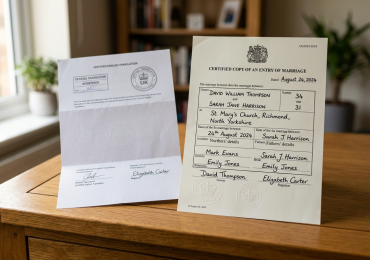
Certified translation is a specialized service that ensures the accuracy and authenticity of translated documents. It involves translating documents from one language to another while adhering to specific standards set by legal and governmental bodies. A certified translation is accompanied by a signed statement from the translator or translation service, affirming that the translation is a true and accurate representation of the original document. This certification is crucial in various contexts, especially in legal, academic, and immigration matters.
The importance of certified translation cannot be overstated, particularly in legal and official contexts. For instance, when applying for a visa, submitting documents for court proceedings, or enrolling in educational institutions, authorities often require certified translations to validate the information provided. Without a certified translation, documents may be deemed invalid, leading to delays or outright rejection of applications. This requirement is particularly stringent for documents such as birth certificates, marriage licenses, academic transcripts, and legal contracts.
In the UK, certified translations must meet specific criteria to be accepted by institutions such as the Home Office, universities, and courts. These criteria often include the translator’s qualifications, the format of the translation, and the inclusion of a certification statement. Moreover, certified translations must be completed by a professional translator who is fluent in both the source and target languages, ensuring that nuances and context are preserved accurately. This level of professionalism is vital for maintaining the integrity of the documents being translated.
What to Prepare for Certified Translation
Preparing for certified translation involves gathering the necessary documents and ensuring they meet the requirements set by the translation service provider. The first step is to identify the documents that require translation. Common documents include:
- Birth certificates
- Marriage certificates
- Academic transcripts
- Legal contracts
- Medical records
- Identification documents such as passports and driving licenses
Once you have identified the documents, it’s essential to ensure they are in good condition. Original documents or clear copies are typically required. If the documents are damaged, faded, or difficult to read, it may lead to errors in translation, which can compromise the certification.
Another key aspect to consider is the language requirements. Ensure that the translation is needed in the correct language. For instance, if you are submitting documents for a UK visa, you may need translations into English. It’s advisable to check the specific language requirements of the institution or authority requesting the translation.
Common mistakes to avoid when preparing documents for certified translation include:
- Neglecting to provide complete documents: Ensure that all pages of the original document are included, especially if there are multiple pages.
- Using outdated documents: Always provide the most recent version of your documents to avoid discrepancies.
- Overlooking specific requirements: Each institution may have unique requirements for certified translations; failing to adhere to these can result in delays.
By taking the time to prepare your documents thoroughly, you can streamline the translation process and avoid unnecessary complications.
Certified Translation Document Checklist
Having a certified translation document checklist can significantly ease the process of ordering a translation service. Here’s a comprehensive checklist to ensure you have everything covered:
- Identify the Documents: Determine which documents need to be translated. Common examples include:
- Birth certificates
- Marriage certificates
- Academic transcripts
- Legal documents
- Medical records
Organizing your documents for submission is equally important. Consider using a folder or binder to keep everything together. Label each document clearly, and include a cover letter if necessary, outlining the purpose of the translation and any specific instructions for the translator. This organization will help ensure that nothing is overlooked and that the translation process goes smoothly.
Translation Ordering Guide UK
Ordering a certified translation in the UK involves several steps to ensure that you receive high-quality service tailored to your needs. Here’s a step-by-step guide to help you navigate the process:
- Research Translation Services: Start by researching translation services that specialize in certified translations. Look for reviews, testimonials, and case studies to gauge their reliability and expertise.
- Request Quotes: Contact multiple translation services to request quotes. Be sure to provide detailed information about the documents you need translated, including the type of documents, the languages involved, and any specific requirements.
- Evaluate Credentials: Check the credentials of the translators or the translation agency. Ensure they have the necessary qualifications and experience in handling certified translations.
- Confirm Turnaround Times: Inquire about the expected turnaround times for your translations. If you have a tight deadline, make sure the service can accommodate your needs.
- Submit Your Documents: Once you have chosen a translation service, submit your documents along with any specific instructions. Ensure that you provide all necessary information to avoid delays.
- Review the Translation: After receiving the translated documents, review them carefully for accuracy. If you notice any issues, contact the translation service immediately for corrections.
- Obtain Certification: Ensure that the translation is accompanied by the necessary certification statement, which confirms its accuracy and authenticity.
When choosing a translation service, consider factors such as pricing, turnaround time, and customer support. It’s essential to select a service that not only meets your budget but also provides the quality you need for your certified translations.
What Documents to Send for Translation
When preparing to send documents for certified translation, it’s crucial to understand which documents are typically required and any specific requirements associated with different types of documents. Here’s a list of documents commonly submitted for translation:
- Birth Certificates: Required for immigration, school admissions, and legal processes.
- Marriage Certificates: Often needed for visa applications and legal proceedings.
- Academic Transcripts: Essential for university admissions and professional registrations.
- Legal Contracts: Necessary for business transactions and court cases.
- Medical Records: Required for health-related applications and legal matters.
- Identification Documents: Such as passports and driving licenses, needed for various official processes.
Each type of document may have specific requirements for translation. For example:
- Birth Certificates: Must include all details such as names, dates, and places of birth. Ensure that the translation reflects the original format.
- Legal Contracts: Require precise language and terminology, as any inaccuracies can lead to legal disputes.
- Academic Transcripts: Should be translated in a way that maintains the integrity of grades and course descriptions.
Before sending your documents, verify the specific requirements of the institution or authority requesting the translation. This may include the need for notarization or additional certifications. By ensuring that you send the correct documents and meet all requirements, you can facilitate a smoother translation process.
Translation Preparation Checklist
Before sending your documents for certified translation, it’s essential to conduct a final review to ensure everything is in order. Here’s a translation preparation checklist to help you finalize your documents:
- Verify Document Completeness: Ensure that all necessary documents are included and that no pages are missing.
- Check Document Condition: Confirm that all documents are clear and legible. If you are providing copies, ensure they are high-quality reproductions.
- Review Language Requirements: Double-check the language into which the documents need to be translated, as well as any specific formatting requirements.
- Include Additional Information: If necessary, provide context or additional information that may assist the translator in delivering an accurate translation.
- Prepare Payment Information: Be ready to provide payment details or confirm payment methods accepted by the translation service.
- Set a Timeline: Establish a timeline for when you need the translation completed and communicate this to the translation service.
By following this checklist, you can ensure that your documents are ready for submission and that the translation process will proceed without unnecessary delays. Taking these final steps can significantly enhance the accuracy and quality of the certified translation you receive.
Common Questions About Certified Translation
As you navigate the process of obtaining certified translations, you may have several questions. Here are some common inquiries and their answers:
What is a certified translation?
A certified translation is an official translation that comes with a signed statement from the translator or translation service confirming its accuracy.
What documents do I need for certified translation?
Typically, you need original documents or clear copies, such as birth certificates, marriage licenses, or legal contracts.
How long does it take to get a certified translation?
The time frame can vary based on the document type and service provider, but it usually takes between 1 to 5 business days.
Can I use a non-certified translation for official purposes?
No, non-certified translations are generally not accepted for official or legal purposes.
How much does certified translation cost in the UK?
Costs can vary widely based on the document type and service provider, so it’s best to request quotes from multiple services.
Conclusion and Next Steps
Following a certified translation checklist is crucial for ensuring that your documents are prepared correctly and submitted efficiently. By understanding the importance of certified translations and taking the necessary steps to prepare your documents, you can avoid common pitfalls and ensure a smooth translation process.
If you require professional certified translation services, do not hesitate to contact us. Our team of experienced translators is ready to assist you with your translation needs, ensuring accuracy and compliance with all requirements. Let us help you navigate the complexities of certified translation with ease.