Understanding UKVI Translation Requirements
The UK Visas and Immigration (UKVI) department has specific translation requirements that applicants must adhere to when submitting documents for visa applications, citizenship, or other immigration-related processes. These requirements are crucial as they ensure that all submitted documents are accurately represented in English, which is the official language used by UKVI. Failure to comply with these requirements can lead to delays, rejections, or additional inquiries, which can significantly impact the application process.
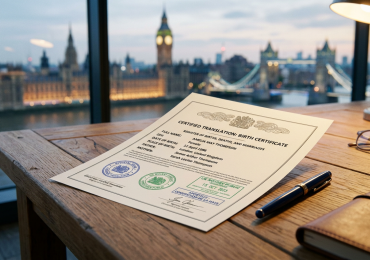
One of the primary requirements is that all documents not originally in English must be translated by a certified translator. A certified translation is one that is accompanied by a signed statement from the translator affirming that the translation is accurate and complete. This certification is essential because it provides assurance to UKVI that the translation is legitimate and that the translator possesses the necessary qualifications and expertise.
Moreover, UKVI mandates that translations must be clear and legible, with all relevant details accurately conveyed. This includes names, dates, and any other critical information that could affect the outcome of the application. Additionally, the format of the translated documents should closely mirror that of the original documents to avoid any confusion or misinterpretation.
In summary, understanding and adhering to the UKVI translation requirements is paramount for anyone submitting documents for immigration purposes. The importance of certified translations cannot be overstated, as they serve as a critical component in the evaluation of an application. Ensuring compliance with these requirements can help streamline the application process and increase the likelihood of a successful outcome.
Common Mistakes in UKVI Document Translation
When it comes to UKVI document translation, several common mistakes can lead to complications or outright rejection of applications. Understanding these pitfalls is essential for applicants who want to ensure their documents are processed smoothly.
- Inaccurate Translations: One of the most significant errors is providing translations that are not accurate. Misinterpretations or incorrect translations of crucial terms can lead to misunderstandings regarding the applicant’s qualifications or intentions. For example, translating a degree title incorrectly could misrepresent an applicant’s educational background.
- Failure to Include All Necessary Documents: Applicants often overlook the requirement to submit all necessary documents alongside their translations. For instance, if an applicant submits a translated birth certificate without the original document, UKVI may reject the application due to incomplete submissions.
- Ignoring Formatting Requirements: UKVI has specific formatting guidelines that must be followed. Translations that do not adhere to these guidelines can be rejected. This includes ensuring that the translated document mirrors the layout of the original, including headers, footers, and any official stamps or seals.
Additionally, some applicants may not realize that they need to provide translations for supporting documents, such as marriage certificates or police clearance certificates. Failing to include these can also lead to delays or rejections. Therefore, it is crucial to carefully review the UKVI requirements and ensure that all documents are accurately translated and submitted in the correct format.
UKVI Translation Errors to Avoid
To ensure a successful application, applicants must be aware of specific translation errors that could jeopardize their chances. Here are some critical errors to avoid:
- Using Unqualified Translators: One of the most critical mistakes is opting for unqualified translators. While it may be tempting to choose a cheaper option, using a translator without the necessary qualifications can lead to significant errors. UKVI requires that translations be completed by certified professionals who understand the nuances of legal and immigration terminology.
- Not Verifying Translator Credentials: Even if a translator claims to be certified, it is essential to verify their credentials. Applicants should request proof of certification and ensure that the translator has experience with UKVI documents. This step can prevent costly mistakes and ensure that the translation meets all necessary standards.
- Overlooking Cultural Nuances: Cultural nuances can significantly impact the accuracy of a translation. For instance, certain phrases or terms may not have direct equivalents in English, leading to misunderstandings. A qualified translator will be able to navigate these nuances effectively, ensuring that the translated document accurately reflects the original meaning.
By avoiding these common translation errors, applicants can enhance their chances of a smooth application process. It is advisable to invest time and resources into selecting a qualified translation service that understands the specific requirements of UKVI.
Translation Rejection Reasons in the UK
Understanding the reasons why translations may be rejected by UKVI is crucial for applicants. Here are some common reasons for document rejection:
- Translation Errors: As previously mentioned, inaccuracies in translation can lead to rejection. This includes typographical errors, incorrect terminology, or omissions that alter the document’s meaning.
- Incomplete Submissions: UKVI often rejects applications that do not include all required documents. This can include missing original documents or supporting materials that are not translated.
- Non-compliance with Requirements: Each type of document has specific requirements that must be met. For example, a marriage certificate may require a specific format or additional information that, if not provided, can lead to rejection.
To identify potential issues before submission, applicants should conduct a thorough review of their documents. This includes checking for completeness, accuracy, and adherence to UKVI guidelines. Consulting with a certified translation service can also help applicants identify and rectify any potential issues before submission.
How to Avoid Translation Rejection for UKVI
To ensure compliance with UKVI standards and avoid rejection, applicants should follow these steps:
- Use Certified Translators: Always opt for certified translators who have experience with UKVI documents. This ensures that the translations are accurate and meet the necessary standards.
- Double-check All Documents: Before submission, carefully review all documents to ensure that they are complete and accurate. This includes verifying that all required documents are included and that translations are correct.
- Follow UKVI Guidelines: Familiarize yourself with the specific requirements set forth by UKVI for your type of application. This includes understanding what documents need to be translated and the format they should be in.
- Utilize a Checklist: Creating a checklist of required documents and their corresponding translations can help ensure nothing is overlooked. This checklist should include original documents, translations, and any supporting materials.
By taking these proactive steps, applicants can significantly reduce the risk of translation rejection and streamline their application process. A well-organized and compliant submission can lead to a more efficient review by UKVI.
The Role of Certified Translation Services
Certified translation services play a vital role in ensuring that documents meet UKVI requirements. Here are some benefits of using these services:
- Expertise and Experience: Certified translation services employ professionals who are well-versed in the specific requirements of UKVI. They understand the nuances of legal terminology and can provide accurate translations that meet all necessary standards.
- Quality Assurance: Reputable translation services have quality assurance processes in place, ensuring that translations are double-checked for accuracy and completeness. This reduces the likelihood of errors that could lead to rejection.
- Time Efficiency: Utilizing a certified translation service can save applicants time. These services are familiar with the requirements and can expedite the translation process, allowing applicants to focus on other aspects of their application.
When choosing a translation service, applicants should look for providers with positive reviews, relevant certifications, and a proven track record of success with UKVI documents. This can provide peace of mind and increase the chances of a successful application.
Real-Life Examples of Translation Mistakes
Learning from real-life examples of translation mistakes can provide valuable insights for applicants. Here are some case studies of rejected applications due to translation errors:
Case Study 1: An applicant submitted a translated birth certificate that contained several inaccuracies in the names and dates. As a result, UKVI rejected the application, citing discrepancies between the original and translated documents. The applicant had to restart the process, causing significant delays.
Case Study 2: Another applicant failed to include a translated marriage certificate, which was a requirement for their visa application. UKVI rejected the application due to incomplete submissions, and the applicant had to gather the necessary documents and resubmit, prolonging their wait time.
These examples highlight the importance of accuracy and completeness in translations. Applicants can learn from these mistakes by ensuring they thoroughly review their documents and work with certified translators who understand the requirements of UKVI.
Conclusion: Ensuring Successful UKVI Translations
In conclusion, ensuring successful UKVI translations requires careful attention to detail and adherence to specific requirements. Key points to remember include:
- Always use certified translators with experience in UKVI documents.
- Double-check all documents for accuracy and completeness before submission.
- Familiarize yourself with UKVI guidelines and follow them closely.
By following these tips and avoiding common mistakes, applicants can enhance their chances of a smooth and successful application process. Taking the time to ensure that translations are accurate and compliant with UKVI standards can save applicants from unnecessary delays and rejections.
Frequently Asked Questions
What are common mistakes in UKVI translations?
Common mistakes include inaccurate translations, missing documents, and incorrect formatting, all of which can lead to application rejection.
How can I avoid translation rejection for UKVI?
To avoid rejection, use certified translators, double-check all documents, and follow UKVI guidelines closely.
What are the reasons for document rejection by UKVI?
Translation errors, incomplete submissions, and non-compliance with requirements are common reasons for document rejection by UKVI.
What should I look for in a translation service for UKVI?
Look for certification and qualifications, experience with UKVI documents, and positive reviews and testimonials from previous clients.
Can cultural nuances affect UKVI translations?
Yes, cultural nuances can lead to misunderstandings and are important for the accurate representation of documents in translations.