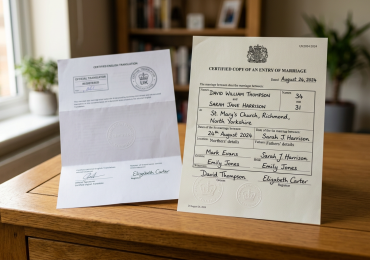
Understanding Certified Translation
Certified translation is a crucial service for individuals and businesses needing official documents translated for legal, immigration, or academic purposes. In the UK, certified translations must meet specific standards to be accepted by various authorities, including the Home Office, universities, and other institutions. This article will guide you through the certified translation process step-by-step, ensuring you understand how it works and what to expect.
What is Certified Translation?
A certified translation is a translation that comes with a signed statement from the translator or translation service, attesting to the accuracy and completeness of the translation. This certification is essential for documents such as birth certificates, marriage certificates, academic transcripts, and legal documents.
Why is Certification Important?
Certification is vital because it provides assurance to the receiving party that the translation is accurate and reliable. Many institutions, including government bodies and educational establishments, require certified translations to ensure that the documents are valid and can be trusted.
The Certified Translation Process in the UK
The certified translation process in the UK involves several key steps. Understanding these steps will help you navigate the process smoothly.
Step 1: Document Preparation
The first step in the certified translation process is preparing the documents that need translation. Ensure that you have the original documents ready, as well as any specific instructions regarding the translation. This may include:
- Original documents in their native language
- Any specific formatting requirements
- Details about the intended use of the translation
Step 2: Choosing a Certified Translation Service
Selecting a reputable certified translation service is crucial. Look for a service that specializes in the type of documents you need translated and has experience with the certification process. Consider the following:
- Check for qualifications and certifications of the translators.
- Read reviews and testimonials from previous clients.
- Ensure they offer a clear pricing structure without hidden fees.
Step 3: Requesting a Quote
Once you have selected a translation service, request a quote. Most services will ask for details about the documents, including the language pair, the number of words, and any specific requirements. This will help them provide an accurate estimate of the cost and time required for the translation.
Step 4: Translation Process
After agreeing on the quote, the translation process begins. A qualified translator will translate your documents, ensuring accuracy and adherence to any specific requirements. During this phase, the translator may:
- Consult with you for clarification on any ambiguous terms.
- Use specialized terminology relevant to the document type.
Step 5: Certification of the Translation
Once the translation is complete, the translator or translation service will provide a certification statement. This document will typically include:
- The translator’s name and qualifications
- A statement attesting to the accuracy of the translation
- The date of the translation
Step 6: Delivery of Translated Documents
The final step is the delivery of the translated and certified documents. Depending on the service, you may receive:
- Digital copies via email
- Hard copies sent by post
Ensure that the documents are complete and meet your requirements before submission to the relevant authority.
Common Uses for Certified Translations
Certified translations are commonly required for various purposes, including:
- Visa applications
- University admissions
- Legal proceedings
- Employment verification
How to Get Documents Certified in the UK
Getting documents certified in the UK involves a straightforward process. Here are the steps you should follow:
1. Identify the Document Type
Determine which documents require certification. Common examples include:
- Birth and marriage certificates
- Academic transcripts
- Legal documents
2. Find a Certified Translator
Choose a certified translator or translation service that specializes in your document type. Ensure they are accredited and have a good reputation.
3. Submit Your Documents
Provide the original documents to the translator along with any specific instructions regarding the translation.
4. Review and Approve the Translation
Once the translation is complete, review it for accuracy. If everything is satisfactory, approve the translation for certification.
5. Receive Certified Documents
Finally, receive your certified documents, ensuring they meet the requirements of the institution or authority you are submitting them to.
Frequently Asked Questions
What is the difference between certified and notarized translation?
Certified translation involves a translator’s statement of accuracy, while notarized translation includes a notary public’s verification of the translator’s identity and signature.
How long does the certified translation process take?
The time required for certified translation can vary based on document complexity and the service provider. Typically, it can take anywhere from a few days to a week.
Can I translate my own documents for certification?
No, self-translations are generally not accepted for certified translations. You must use a professional translator or service.
What documents typically require certified translation?
Common documents include birth certificates, marriage certificates, academic transcripts, and legal documents.
How much does certified translation cost in the UK?
The cost of certified translation can vary widely depending on the document type, language pair, and service provider. It’s best to request quotes from multiple services for comparison.
Conclusion
Understanding the certified translation process in the UK is essential for anyone needing official documents translated. By following the steps outlined in this guide, you can ensure a smooth and efficient process, ultimately leading to the successful certification of your documents.