Understanding Certified Translation Accuracy Statements
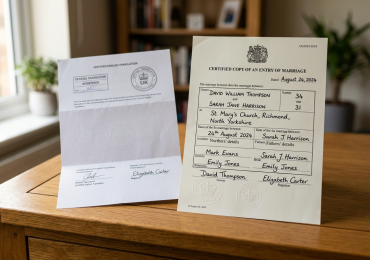
A certified translation accuracy statement is a formal document that verifies the precision and fidelity of a translated text. This statement is crucial in various contexts, particularly in legal, academic, and official scenarios where accuracy is paramount. The statement typically accompanies translations of important documents such as birth certificates, legal contracts, academic transcripts, and immigration papers. It serves as a guarantee that the translation is not only accurate but also adheres to the specific requirements set forth by governing bodies or institutions.
The importance of a certified translation accuracy statement cannot be overstated. In legal and official contexts, inaccuracies can lead to serious consequences, including the rejection of documents by authorities or legal disputes. For instance, when submitting documents for visa applications or court proceedings, an accuracy statement assures the receiving party that the translation has been performed by a qualified professional who understands the nuances of both the source and target languages. This builds trust and credibility, essential elements in any official transaction.
Moreover, in the UK, various organizations and institutions, including universities and government agencies, often require certified translations to ensure compliance with their standards. The accuracy statement thus acts as a protective measure, safeguarding individuals and organizations from potential legal ramifications that may arise from misinterpretations or errors in translation. Understanding the significance of this document is vital for anyone needing certified translations in the UK.
What Does a Certified Translation Accuracy Statement Include?
A certified translation accuracy statement typically encompasses several key components that distinguish it from regular translations. Firstly, it includes the translator’s details, such as their name, qualifications, and contact information. This information is essential as it allows the recipient to verify the translator’s credentials and expertise.
Secondly, the statement contains a declaration of accuracy, where the translator affirms that the translation is a true and faithful representation of the original document. This declaration is crucial as it establishes the translator’s accountability for the quality of the translation. Additionally, the statement is usually signed and dated by the translator, further validating its authenticity.
Another critical aspect of the accuracy statement is the inclusion of any relevant certifications or accreditations that the translator may hold. For example, if the translator is a member of a recognized professional body, this information can enhance the credibility of the translation. Furthermore, the statement may also specify the languages involved in the translation process, ensuring clarity regarding the source and target languages.
In contrast to regular translations, which may not require any formal verification, a certified translation accuracy statement provides an added layer of assurance. It signifies that the translation has been completed to a professional standard, making it suitable for official use. This distinction is particularly important in contexts where legal validity is essential, such as immigration applications or court proceedings.
The Role of Accuracy Statements in the UK
In the UK, certified translation accuracy statements play a pivotal role in meeting legal requirements for various documents. Many institutions, including the Home Office, universities, and courts, mandate that translations of official documents be accompanied by an accuracy statement. This requirement ensures that the translated documents are reliable and can be trusted for official purposes.
Common scenarios requiring accuracy statements include visa applications, where applicants must submit translated documents such as birth certificates, marriage certificates, and academic transcripts. The Home Office, for instance, specifies that all documents not in English must be translated by a qualified translator and accompanied by an accuracy statement. This requirement is crucial for maintaining the integrity of the immigration process.
Similarly, universities often require certified translations of academic qualifications for international students. The accuracy statement assures the institution that the translated documents accurately reflect the original qualifications, facilitating the admissions process. In legal contexts, accuracy statements are essential when submitting evidence or documentation in court, as they establish the reliability of the translated materials.
Moreover, the significance of accuracy statements extends beyond mere compliance with institutional requirements. They serve as a safeguard against potential legal disputes that may arise from misinterpretations or inaccuracies in translated documents. By providing a certified translation accuracy statement, individuals and organizations can protect themselves from the repercussions of errors, ensuring that their documents are accepted without issue.
How to Obtain a Certified Translation Accuracy Statement
Obtaining a certified translation accuracy statement involves several steps that ensure the translation meets the necessary standards for official use. The first step is to identify a qualified translator or translation service that specializes in the relevant language pair and type of document. It is essential to choose a translator who is experienced in the specific field related to the document, whether it be legal, medical, or academic.
Once a suitable translator is selected, the next step is to provide them with the original document that requires translation. The translator will then proceed to create a translation that accurately reflects the content and meaning of the original document. After completing the translation, the translator will draft the accuracy statement, which includes their details, a declaration of accuracy, and their signature.
It is advisable to request a timeline for the completion of the translation and accuracy statement, as urgent requests may incur additional fees. Once the translation and accuracy statement are ready, the individual or organization can review the documents to ensure they meet their requirements before submission to the relevant authority.
In the UK, many translation services offer online platforms where clients can easily upload their documents and receive quotes for certified translations. This convenience allows for a streamlined process, making it easier for individuals to obtain the necessary documentation for their needs. It is also crucial to verify that the translator or service is accredited and recognized by relevant professional bodies, as this adds credibility to the accuracy statement.
Certified Translation Declaration vs. Accuracy Statement
While the terms “certified translation declaration” and “accuracy statement” are often used interchangeably, they refer to different aspects of the certification process. A certified translation declaration is a document that confirms the translator’s qualifications and their ability to perform translations accurately. It typically includes the translator’s name, qualifications, and a statement affirming their competence in the relevant languages.
On the other hand, a certified translation accuracy statement specifically verifies the fidelity of the translation itself. It assures the recipient that the translated document is a true and accurate representation of the original text. This distinction is important, as the accuracy statement focuses on the quality of the translation, while the declaration emphasizes the translator’s qualifications.
In practice, both documents may be required in certain situations. For example, when submitting documents for immigration purposes, applicants may need to provide both a certified translation declaration and an accuracy statement to satisfy the requirements of the Home Office. Understanding when to use each document is essential for ensuring compliance with the specific demands of the institution or authority requesting the translations.
Benefits of Using Certified Translation Accuracy Statements
The use of certified translation accuracy statements offers numerous benefits, particularly in the context of official documents. One of the primary advantages is the trust and credibility it instills in the translated materials. When a document is accompanied by an accuracy statement, it signals to the recipient that the translation has been performed by a qualified professional, thereby enhancing the document’s reliability.
Moreover, certified translation accuracy statements help avoid legal issues that may arise from inaccuracies in translations. For instance, in legal proceedings, a misinterpreted document can lead to unfavorable outcomes, including the dismissal of cases or penalties. By ensuring that translations are accompanied by accuracy statements, individuals and organizations can mitigate the risk of such complications.
Additionally, accuracy statements facilitate smoother interactions with authorities and institutions. For example, when applying for visas, having a certified translation with an accuracy statement can expedite the review process, reducing the likelihood of delays or rejections. This efficiency is particularly crucial in time-sensitive situations, such as immigration applications or legal matters.
Furthermore, the presence of an accuracy statement can enhance the overall professionalism of the submitted documents. This professionalism can be particularly beneficial in academic and business contexts, where the quality of documentation reflects on the individual or organization. Ultimately, the benefits of using certified translation accuracy statements extend beyond mere compliance; they contribute to a more reliable and efficient process for all parties involved.
Common Misconceptions About Accuracy Statements
Despite their importance, there are several misconceptions surrounding certified translation accuracy statements that can lead to confusion. One common myth is that all translations require an accuracy statement. While many official documents do, not every translation necessitates this level of certification. For instance, personal correspondence or informal documents may not require an accuracy statement, depending on the context in which they are used.
Another misconception is that any translator can provide an accuracy statement. In reality, only qualified translators with the appropriate credentials can issue these statements. It is essential to choose a translator who is recognized by professional bodies and has experience in the relevant field to ensure the accuracy statement holds weight.
Additionally, some individuals believe that an accuracy statement guarantees that the translation is free from errors. While an accuracy statement indicates that the translation has been performed to a professional standard, it does not eliminate the possibility of minor errors. It is crucial to understand that the statement serves as a declaration of accuracy, but it does not imply infallibility.
Lastly, there is a misconception that accuracy statements are only necessary for legal documents. While they are indeed vital in legal contexts, accuracy statements are also essential for academic, medical, and business documents. Understanding the broader applications of accuracy statements can help individuals navigate the requirements of various institutions more effectively.
Conclusion: The Importance of Accuracy in Translation
In summary, certified translation accuracy statements play a crucial role in ensuring the reliability and credibility of translated documents in the UK. They provide essential verification of the accuracy of translations, which is particularly important in legal and official contexts. By understanding what an accuracy statement includes, how to obtain one, and the benefits it offers, individuals can navigate the complexities of certified translations more effectively.
As the demand for certified translations continues to grow, particularly in an increasingly globalized world, the importance of accuracy in translation cannot be overstated. Whether for immigration, academic, or legal purposes, having a certified translation accompanied by an accuracy statement is essential for ensuring compliance and avoiding potential pitfalls. Ultimately, investing in quality translations and understanding the significance of accuracy statements can lead to smoother processes and successful outcomes.
Frequently Asked Questions
What is a certified translation accuracy statement?
A document verifying the accuracy of a translated text.
Why is a certified translation accuracy statement important?
It ensures legal validity and trust in official documents.
What does an accuracy statement include?
Translator’s details, declaration of accuracy, and signature.
How can I get a certified translation in the UK?
Contact a certified translator or translation service.
What is the difference between a certified translation declaration and an accuracy statement?
The declaration confirms the translator’s qualifications; the accuracy statement confirms the translation’s fidelity.