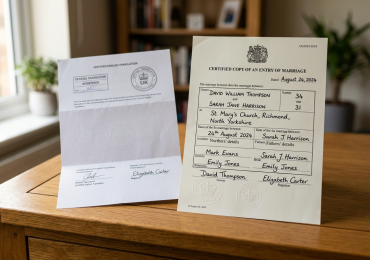
Understanding Electoral Registration Translation in the UK
In the UK, electoral registration is a crucial process that allows individuals to vote in elections. For non-native speakers or those with documents in foreign languages, certified translation is essential to ensure that all necessary paperwork is accurately represented in English. The importance of certified translation for electoral registration cannot be overstated; it ensures that documents are legally recognized and accepted by electoral authorities.
Legal requirements for voter registration documents vary, but they typically include proof of identity, residency, and any other documentation that establishes eligibility to vote. For individuals from non-English speaking countries, this often means translating documents such as passports, national identity cards, and utility bills. Without certified translations, these documents may be rejected, leading to complications in the registration process.
Moreover, certified translations provide a level of assurance that the translated documents are accurate and complete. This is particularly important in the context of electoral registration, where any discrepancies could lead to disenfranchisement. The UK Electoral Commission mandates that all documents submitted for voter registration must be in English or accompanied by a certified translation. Thus, obtaining a certified translation is not just a formality; it is a legal requirement that safeguards your right to vote.
Types of Documents Requiring Translation for Electoral Registration
When it comes to electoral registration, several types of documents may require translation, particularly for individuals who have recently moved to the UK or are applying to vote for the first time. Understanding which documents need to be translated is vital to ensure a smooth registration process.
- Proof of Identity Documents: These are essential for verifying an individual’s identity. Common documents include passports, national identity cards, and driving licenses. Each of these documents must be accurately translated to reflect the original content, including names, dates of birth, and other identifying information.
- Foreign Birth Certificates: For individuals born outside the UK, a birth certificate is often required to establish identity and citizenship. This document must be translated to include all pertinent information such as the place of birth, parents’ names, and the date of birth. The translation must also be certified to meet legal standards.
- Residency Documents: Proof of residency is another critical component of electoral registration. Documents such as utility bills, rental agreements, or bank statements may be required to demonstrate that an individual resides at a particular address. If these documents are in a foreign language, they will need to be translated to ensure that the information is clear and understandable to the authorities.
In addition to these primary documents, any other foreign documents that relate to an individual’s identity or residency may also need translation. This could include marriage certificates, divorce decrees, or any legal documents that establish a person’s status in the UK. Ensuring that all necessary documents are translated accurately and certified is vital to avoid delays in the electoral registration process.
The Process of Getting Certified Translation
Obtaining a certified translation for electoral registration involves several steps. Understanding this process can help individuals navigate the requirements more efficiently and ensure that their documents are accepted without issue.
- Identify Required Documents: The first step is to determine which documents need to be translated. Review the requirements set forth by the UK Electoral Commission and compile a list of all necessary documents.
- Choose a Qualified Translation Service: Selecting a reputable translation service is crucial. Look for services that specialize in legal translations and have experience with electoral registration documents. Ensure that the translators are certified and that the service is accredited by recognized organizations.
- Submit Documents for Translation: Once a translation service is chosen, submit the documents for translation. It is important to provide clear instructions regarding the type of translation needed (certified) and any specific formatting requirements.
- Review the Translated Documents: After the translation is completed, review the documents carefully. Check for accuracy, completeness, and adherence to any specific requirements outlined by the electoral authorities.
- Obtain Certification: The translation service should provide a certification statement, confirming that the translation is accurate and complete. This certification is crucial for the acceptance of the documents by the electoral authorities.
- Submit Translated Documents: Finally, submit the certified translations along with the original documents to the relevant electoral registration office. Ensure that you keep copies of all documents for your records.
By following these steps, individuals can ensure that their certified translations meet the necessary requirements for electoral registration, reducing the risk of complications or rejections.
Common Challenges in Electoral Registration Document Translation
While obtaining certified translations for electoral registration is essential, there are several challenges that individuals may face during the process. Understanding these challenges can help mitigate potential issues and ensure a smoother experience.
- Language Barriers and Dialect Differences: One of the most significant challenges in document translation is the presence of language barriers. Different dialects may have unique expressions or terminology that can lead to misunderstandings. For example, a document translated from Spanish may differ significantly between Latin American Spanish and European Spanish. It is crucial to choose a translator who is familiar with the specific dialect of the original document to ensure accuracy.
- Cultural Nuances in Documentation: Cultural differences can also impact the translation process. Certain documents may contain cultural references or context that do not translate directly into English. For instance, a birth certificate from a country with different naming conventions may require additional explanation in the translation. A skilled translator will understand these nuances and provide context in the translated document.
- Ensuring Accuracy and Completeness: Accuracy is paramount in the translation of electoral registration documents. Even minor errors can lead to significant issues, such as rejected applications or legal complications. It is essential to work with certified translators who have experience in legal documentation to ensure that all information is accurately represented. Additionally, translators should provide a thorough review process to catch any potential mistakes before submission.
By being aware of these challenges and working with qualified professionals, individuals can navigate the translation process more effectively and ensure that their documents are accepted for electoral registration.
Tips for Selecting a Translation Service for Electoral Registration
Choosing the right translation service is crucial for obtaining certified translations for electoral registration. Here are some tips to help you select a qualified provider:
- Look for Specialization: Choose a translation service that specializes in legal translations, particularly those related to electoral registration. This specialization ensures that the translators are familiar with the specific requirements and terminology used in this field.
- Check Credentials: Verify the credentials of the translators. Ensure that they are certified and have experience in translating legal documents. You may also want to check for memberships in professional translation organizations.
- Ask About the Process: Inquire about the translation process used by the service. A reputable provider should have a clear process in place, including steps for quality assurance and certification of the translated documents.
- Understand Pricing and Turnaround Times: Get a clear understanding of the pricing structure and estimated turnaround times for the translations. Ensure that there are no hidden fees and that the service can meet your deadlines.
- Read Reviews and Testimonials: Look for reviews and testimonials from previous clients. This feedback can provide insight into the quality of the service and the satisfaction of past customers.
By considering these factors, individuals can select a translation service that meets their needs and ensures that their electoral registration documents are accurately translated and certified.
Frequently Asked Questions about Electoral Registration Translation
What is electoral registration translation?
It is the process of translating documents required for voter registration into English.
Why do I need certified translation for electoral registration?
Certified translations ensure that documents meet legal standards and are accepted by authorities.
How can I find a certified translator in the UK?
Look for translation services that specialize in legal documents and have accreditation.
What types of documents need to be translated for voter registration?
Proof of identity, residency documents, and any foreign documents related to your identity.
What should I do if my translated documents are rejected?
Contact your translation service for clarification and ensure all requirements are met.