Understanding UKVI Translation Requirements
The UK Visas and Immigration (UKVI) has strict guidelines regarding the translation of documents submitted for visa applications, immigration status, and other official purposes. These requirements ensure that all translations are accurate, complete, and easily understandable. The primary aim of these regulations is to maintain the integrity of the immigration process. Any discrepancies in translations can lead to delays or even rejections of applications.
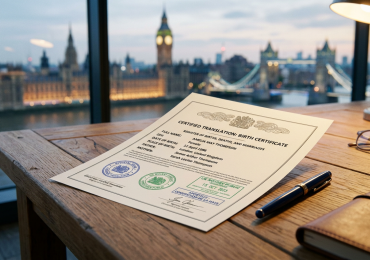
One of the core requirements set by UKVI is that translations must be certified. A certified translation is one that is accompanied by a signed statement from the translator, confirming that the translation is a true and accurate representation of the original document. This certification is crucial, as it serves as a guarantee of the translation’s quality and reliability. It is essential for documents such as birth certificates, marriage certificates, academic transcripts, and police certificates, among others.
The importance of certified translations cannot be overstated. For instance, if a visa applicant submits a non-certified translation, the application may be deemed incomplete, leading to potential delays or denials. Furthermore, UKVI often requires translations to be done by professionals who are fluent in both the source and target languages, ensuring that nuances and cultural context are preserved. This requirement underscores the need for translators who are not only linguistically proficient but also familiar with the legal and administrative terminologies used in immigration processes.
In summary, understanding UKVI translation requirements is vital for anyone looking to submit documents for immigration purposes. Certified translations are a necessity, and failing to comply with these standards can have serious repercussions on visa applications and overall immigration status.
Who Can Translate Documents for UKVI?
When it comes to translating documents for UKVI, eligibility is a key consideration. UKVI specifies that translations must be conducted by qualified professionals. This means that anyone who wishes to translate documents for UKVI must meet certain criteria to ensure that the translation is both accurate and reliable.
Professional translators are typically preferred due to their expertise in the field. They possess the necessary qualifications, such as degrees in translation or linguistics, and often have certifications from recognized translation bodies. These professionals are trained to handle the complexities of legal and immigration-related documents, which often contain specific terminology that requires a deep understanding of both languages involved.
On the other hand, family members can also translate documents for UKVI, but there are specific rules and limitations. While a family member may have a good command of the language, they may not possess the professional qualifications that UKVI requires. This raises concerns about impartiality and the potential for bias in the translation process. Therefore, while family members can technically provide translations, it is generally advisable to seek professional services to ensure compliance with UKVI standards.
In conclusion, while family members can translate documents for UKVI, it is crucial to weigh the risks involved. Professional translators are better equipped to meet the stringent requirements set by UKVI, thereby reducing the likelihood of complications in the visa application process.
Family Member Translation Rules
Family member translation rules for UKVI are designed to maintain the integrity and accuracy of the translation process. While it is permissible for a family member to translate documents, there are specific guidelines that must be adhered to. These rules are in place to mitigate any potential conflicts of interest and to ensure that the translations are impartial and reliable.
One of the primary concerns with family member translations is the issue of impartiality. UKVI requires that translations be performed by individuals who are independent and have no vested interest in the outcome of the application. This means that if a family member translates a document, it may raise questions about the objectivity of the translation. As a result, UKVI may scrutinize such translations more closely, which could lead to delays or even rejection of the application.
Moreover, family members may lack the professional training necessary to accurately translate complex legal or technical documents. For instance, legal terms and phrases may not translate directly between languages, requiring a nuanced understanding that professional translators possess. This lack of expertise can result in inaccuracies that could jeopardize the application process.
In light of these considerations, it is often recommended that applicants seek professional translation services, even if it means incurring additional costs. Professional translators are not only familiar with the specific requirements of UKVI but also understand the importance of delivering accurate and certified translations. By opting for professional services, applicants can ensure that their documents meet the necessary standards, thereby minimizing the risk of complications in their immigration journey.
UKVI Translation Independence
Independence in translation is a critical factor for UKVI compliance. The requirement for impartiality ensures that translations are not influenced by personal relationships or biases. This independence is essential for maintaining the credibility of the translation and, ultimately, the integrity of the visa application process.
UKVI emphasizes the need for translations to be conducted by individuals who have no personal stake in the outcome of the application. This means that while a family member may be able to translate documents, their relationship to the applicant could lead to perceived or actual conflicts of interest. Such conflicts can undermine the trustworthiness of the translation, which is why UKVI often prefers translations performed by certified professionals.
The implications of independence extend beyond just the translator’s relationship with the applicant. It also encompasses the translator’s qualifications and experience. Professional translators are trained to approach translations with a neutral perspective, ensuring that the final product is an accurate reflection of the original document. This is particularly important for legal and immigration documents, where precision is paramount.
In summary, the independence of the translator plays a vital role in the acceptance of documents by UKVI. By ensuring that translations are performed by qualified professionals who are independent of the applicant, the risk of complications in the visa application process can be significantly reduced. Applicants are encouraged to prioritize this aspect when selecting a translator for their documents.
Acceptable Translator Qualifications for UKVI
When it comes to UKVI, understanding acceptable translator qualifications is crucial for ensuring that your documents are accurately translated and accepted. UKVI has specific standards that translators must meet to guarantee the quality and reliability of translations submitted for immigration purposes.
First and foremost, translators should possess relevant qualifications in translation or linguistics. This often includes holding a degree in translation, languages, or a related field. Additionally, many professional translators are members of recognized translation associations, which can serve as a mark of credibility. These associations often require members to adhere to strict ethical guidelines and standards of practice, further ensuring the quality of their work.
Experience is another critical factor. Translators who specialize in legal or immigration-related documents are often more familiar with the specific terminology and nuances involved in these types of translations. This expertise is essential for ensuring that translations are not only accurate but also contextually appropriate. For instance, a translator with experience in immigration law will understand the importance of precise language and the potential implications of inaccuracies.
To verify a translator’s credentials, applicants should request documentation of their qualifications, such as degrees, certifications, or membership in professional organizations. Additionally, it may be beneficial to seek out reviews or testimonials from previous clients to gauge the translator’s reliability and quality of work. By taking these steps, applicants can ensure that they are engaging a qualified translator who meets UKVI’s standards.
In conclusion, acceptable translator qualifications for UKVI include relevant educational background, professional certifications, and specialized experience. By ensuring that your translator meets these criteria, you can enhance the likelihood of your documents being accepted without complications.
Consequences of Non-Compliance with UKVI Translation Rules
Non-compliance with UKVI translation rules can have serious consequences for visa applications and immigration status. Understanding these risks is essential for anyone submitting documents to UKVI, as the implications of using non-compliant translations can be detrimental.
One of the most immediate consequences of non-compliance is the potential for application delays. If UKVI determines that a translation does not meet their standards, they may request additional documentation or clarification, which can prolong the application process. In some cases, applicants may be required to resubmit their documents with compliant translations, further extending the timeline.
Moreover, non-compliant translations can lead to outright rejections of applications. For instance, if UKVI finds that a translation is inaccurate or lacks the necessary certification, they may deny the application on these grounds. This can be particularly damaging for individuals seeking visas, as a rejection can significantly impact their immigration status and future applications.
Additionally, the use of non-compliant translations can also lead to legal repercussions. In some cases, providing false or misleading information in an application can result in legal action, including bans on future applications or even deportation. This underscores the importance of ensuring that all translations are accurate, certified, and compliant with UKVI standards.
In summary, the consequences of non-compliance with UKVI translation rules can range from delays and rejections to legal repercussions. To avoid these risks, it is crucial for applicants to ensure that their translations meet all necessary requirements and are performed by qualified professionals.
Best Practices for Document Translation for UKVI
Ensuring compliance with UKVI standards for document translation requires a strategic approach. By following best practices, applicants can enhance the likelihood of their documents being accepted without complications. Here are some key steps to consider:
- Engage Professional Translators: Always opt for certified translators who are experienced in immigration-related documents. Their expertise will ensure that translations are accurate and compliant with UKVI standards.
- Verify Qualifications: Before hiring a translator, verify their credentials. Check for relevant degrees, certifications, and membership in professional translation associations.
- Request Certification: Ensure that all translations are accompanied by a signed certification statement from the translator, confirming the accuracy of the translation.
- Provide Clear Instructions: When submitting documents for translation, provide clear instructions regarding the intended use of the translations. This helps the translator understand the context and requirements.
- Review Translations: After receiving translations, review them for accuracy and completeness. If possible, have a second qualified individual review the translations to catch any potential errors.
- Stay Informed: Keep up-to-date with any changes in UKVI translation requirements. Regulations can evolve, and being informed will help you avoid compliance issues.
By adhering to these best practices, applicants can ensure that their document translations meet UKVI standards, thereby minimizing the risk of delays or rejections in their visa applications.
Frequently Asked Questions
Can a family member translate my documents for UKVI?
Yes, but there are specific rules and requirements to follow. Family members can translate documents, but their translations may be scrutinized for impartiality and accuracy.
What are the UKVI translator requirements?
Translators must be qualified and independent, with relevant experience and certifications to ensure the accuracy of the translations.
What are the family member translation rules for UKVI?
Family members can translate but must adhere to impartiality standards, ensuring that the translations are accurate and reliable.
What happens if my translation does not meet UKVI standards?
Your application may be delayed or rejected if the translation is deemed non-compliant with UKVI requirements.
How can I ensure my translator is acceptable for UKVI?
Check their qualifications and ensure they are independent from your application process to meet UKVI standards.