Understanding NMC Registration and Its Importance
The Nursing and Midwifery Council (NMC) is the regulatory body for nursing and midwifery professions in the UK. The NMC registration process is essential for overseas nurses and midwives who wish to practice in the UK. This process ensures that all practitioners meet the necessary standards of education, training, and conduct. For overseas applicants, the NMC registration process can be intricate, requiring a series of steps that include the submission of various documents, proof of qualifications, and a demonstration of English language proficiency.
One of the critical aspects of NMC registration is the requirement for certified translations of documents. Many overseas nurses possess qualifications and credentials that are issued in languages other than English. To facilitate their registration, it is imperative that these documents are accurately translated into English by a certified translator. The significance of certified translations cannot be overstated; they ensure that the NMC can assess the qualifications of overseas applicants accurately and fairly. Without certified translations, there is a risk that applications could be delayed or even rejected, potentially hindering an overseas nurse’s ability to practice in the UK.
Furthermore, the NMC registration process is not just about meeting regulatory requirements; it also affects the safety and quality of care provided to patients. By ensuring that all nurses and midwives meet the same standards, the NMC helps maintain public confidence in the healthcare system. For overseas nurses, understanding the importance of certified translations is the first step in successfully navigating the registration process and ultimately achieving their goal of working in the UK.
What is Certified Translation?
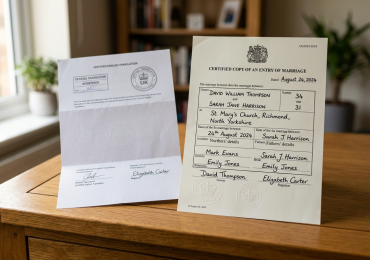
Certified translation is a specialized service that involves translating documents into another language while ensuring that the translation is accurate and legally recognized. A certified translation is accompanied by a signed statement from the translator or translation service, affirming that the translation is a true and accurate representation of the original document. This certification is crucial for legal and official purposes, such as when applying for NMC registration.
The primary difference between certified and non-certified translations lies in the level of accountability and assurance provided. Certified translations are often required for official documents, such as birth certificates, academic transcripts, and professional qualifications. In contrast, non-certified translations may be acceptable for personal use or informal purposes but lack the legal recognition needed for processes like NMC registration. For instance, if an overseas nurse submits a non-certified translation of their nursing qualifications, the NMC may not accept it, leading to potential delays in the registration process.
In summary, certified translation is essential for individuals seeking to have their documents recognized by official entities, such as the NMC. It provides a level of assurance that the translation is accurate and meets the required standards, which is vital for successful registration and practice in the UK.
NMC Registration Translation Requirements
When applying for NMC registration, overseas nurses must submit a variety of documents, each of which may require certified translation. The key documents typically include:
- Proof of Identity: This could be a passport or national ID card that verifies the applicant’s identity.
- Nursing Qualifications: Diplomas, degrees, or certificates that demonstrate the applicant’s educational background in nursing or midwifery.
- Professional References: Letters from previous employers or educational institutions that confirm the applicant’s professional experience and qualifications.
- English Language Proficiency Evidence: This may include results from tests such as the IELTS or OET, which must also be translated if they are not in English.
Each of these documents must be translated accurately to ensure compliance with NMC standards. The NMC has specific translation requirements that must be adhered to, including:
- The translation must be clear, accurate, and in the same format as the original document.
- The translator must be a qualified professional with expertise in medical or nursing terminology.
- The translation must include a certification statement from the translator, affirming its accuracy.
It is also important to note that the NMC may request additional documentation or information during the registration process. Therefore, it is advisable for applicants to prepare all necessary documents well in advance and ensure they are translated by a reputable certified translation service. This proactive approach can help streamline the registration process and reduce the likelihood of delays.
How to Translate Documents for Nursing and Midwifery Council
Translating documents for NMC registration is a critical step that requires careful attention to detail. Here is a step-by-step guide to ensure that your documents are translated correctly:
- Identify Required Documents: Begin by reviewing the NMC registration requirements and identifying which documents need translation.
- Select a Certified Translation Service: Choose a reputable translation service that specializes in certified translations for medical or legal documents. Look for services that have experience with NMC registrations.
- Provide Original Documents: Submit clear copies of the original documents to the translation service. Ensure that all pages are included, as incomplete documents may lead to issues during the registration process.
- Specify Language and Format: Clearly indicate the language into which the documents need to be translated and specify any formatting requirements, such as maintaining the layout of the original documents.
- Request Certification: Ensure that the translation service provides a certification statement with the translated documents. This statement should confirm the accuracy and completeness of the translation.
- Review Translations: Once you receive the translated documents, review them carefully to ensure that all information is accurate and matches the original documents.
- Submit Translated Documents to the NMC: After confirming the accuracy of the translations, submit them along with your NMC registration application.
Choosing a certified translation service is crucial. Look for providers that are accredited and have positive reviews from previous clients. For instance, services that specialize in certified translation for various applications, including NMC registration, can offer the expertise needed to ensure your documents meet the required standards.
Common Challenges in NMC Document Translation
Translating documents for NMC registration can present several challenges, particularly for overseas nurses who may not be familiar with the requirements or the intricacies of medical terminology. Some common challenges include:
- Language Barriers: Nurses may encounter difficulties in communicating specific medical terms or qualifications that do not have direct translations in English. This can lead to misunderstandings or inaccuracies in the translated documents.
- Terminology Issues: The field of nursing and midwifery has its own set of terminologies that may vary by country. Ensuring that these terms are accurately translated is essential for the NMC to assess qualifications appropriately.
- Ensuring Accuracy: A minor error in translation can lead to significant consequences, such as delays in the registration process or rejection of the application. It is crucial to work with certified translators who have expertise in medical translations.
- Compliance with NMC Standards: The NMC has specific guidelines regarding document translations, and failure to comply with these standards can result in complications during the registration process.
To overcome these challenges, it is advisable to engage professional translation services that specialize in medical and regulatory translations. These services understand the nuances of the NMC requirements and can provide accurate translations that meet the necessary standards.
Benefits of Professional Translation Services for NMC Registration
Utilizing professional translation services for NMC registration offers numerous advantages:
- Expertise in Medical Terminology: Professional translators specializing in medical translations are familiar with the specific terminology used in nursing and midwifery, ensuring accurate translations.
- Streamlined Process: Engaging a certified translation service can expedite the registration process by ensuring that all documents are accurately translated and certified in a timely manner.
- Quality Assurance: Professional services often have quality control measures in place, providing an additional layer of assurance that translations are accurate and compliant with NMC standards.
- Peace of Mind: Knowing that your documents are in the hands of professionals allows you to focus on other aspects of the registration process without the added stress of potential translation errors.
In summary, the benefits of using professional translation services for NMC registration far outweigh the costs. These services not only help ensure compliance with regulatory requirements but also enhance the overall efficiency of the registration process.
Cost of Certified Translation for NMC Registration
The cost of certified translation for NMC registration can vary significantly based on several factors, including:
- Document Type: The complexity and length of the document can affect pricing. For instance, translating a detailed academic transcript may cost more than a simple reference letter.
- Language Pair: Some language pairs may require more specialized knowledge, potentially increasing the cost. For example, translating documents from less common languages may be more expensive than translations from widely spoken languages.
- Turnaround Time: If you require expedited services, this can also increase the cost. Many translation services offer rush options for an additional fee.
- Additional Services: If you require extra services such as notarization or additional copies of the certified translation, these will also contribute to the overall cost.
On average, certified translation services can range from £30 to £100 per document, depending on the factors mentioned above. It is advisable to obtain quotes from multiple translation services to compare prices and services offered. Always ensure that the service you choose is reputable and specializes in certified translations for NMC registration.
Frequently Asked Questions About NMC Registration Translation
What documents need to be translated for NMC registration?
Documents that need to be translated for NMC registration typically include proof of identity, nursing qualifications, and professional references.
How long does it take to get documents translated for NMC?
The time required to translate documents for NMC registration typically ranges from a few days to a week, depending on the service provider and the complexity of the documents.
Can I translate my documents myself for NMC registration?
No, only certified translators can provide the required translations for NMC registration. Self-translations are not accepted.
What is the difference between certified and notarized translations?
Certified translations come with a signed statement from the translator affirming their accuracy, while notarized translations are legally verified by a notary public.
Are there specific formats required for NMC document translations?
Yes, translations must be clear, accurate, and presented in the same format as the original documents to meet NMC requirements.