Understanding Certified Translation
Certified translation refers to the process of translating documents by a qualified translator who provides a signed statement attesting to the accuracy and completeness of the translation. This type of translation is essential in legal contexts, where precise language and adherence to legal standards are crucial. Certified translations are often required for documents submitted to government agencies, courts, and other official bodies, ensuring that the translated documents are recognized as valid and reliable.
The importance of certified translation cannot be overstated, particularly when dealing with legal matters such as property purchases abroad. In many jurisdictions, property transactions require official documentation to be translated into the local language. This is to ensure that all parties involved fully understand the terms and conditions of the agreement. A certified translation guarantees that the translation is accurate and meets the necessary legal requirements, thus preventing potential disputes or misunderstandings that could arise from poorly translated documents.
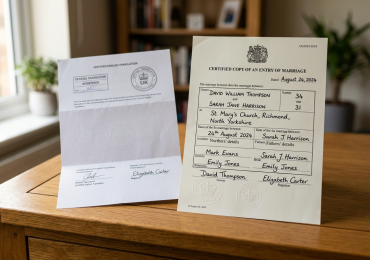
Furthermore, certified translations are often accompanied by a certification letter, which includes the translator’s credentials, a statement of accuracy, and the date of translation. This letter serves as proof that the translation was completed by a professional who is competent in both the source and target languages. In legal contexts, such as property transactions, this certification is vital for compliance with local laws and regulations.
Why You Need Certified Translation for Property Purchases
When purchasing property abroad, understanding the legal requirements is paramount. Many countries mandate that specific documents related to property transactions be translated into the local language. These documents may include contracts, property deeds, and land registry documents. Without certified translations, buyers may face significant challenges, including legal complications and financial losses.
One of the primary reasons certified translation is necessary for property purchases is to ensure compliance with local laws. Each country has its own regulations regarding property ownership, and failing to adhere to these can result in the nullification of contracts or even legal action. For example, if a buyer fails to provide a certified translation of a property deed, the transaction may be deemed invalid, leaving the buyer without recourse.
Moreover, improper translation can lead to misunderstandings regarding the terms of the contract. Legal jargon and specific clauses may not translate directly, and nuances can be lost in translation. This can create situations where buyers are unaware of their rights or obligations, potentially leading to disputes with sellers or local authorities. A certified translation ensures that all parties have a clear and accurate understanding of the agreement, thereby reducing the risk of conflicts.
Additionally, many financial institutions require certified translations of property documents when processing mortgage applications for foreign properties. Banks and lenders need to verify the legitimacy of the documents before approving loans, and a certified translation provides the assurance they require. Without it, buyers may find themselves unable to secure financing for their property purchase.
In summary, certified translation is essential for property purchases abroad to ensure legal compliance, prevent misunderstandings, and facilitate the financing process. Failing to obtain certified translations can have serious consequences, making it a crucial step in any international property transaction.
Key Property Documents That Require Translation
Several key documents are typically involved in property transactions, and each may require certified translation to ensure legal validity and clarity. Understanding these documents is critical for anyone looking to purchase property abroad.
- Property Deeds: This document serves as proof of ownership and outlines the rights and responsibilities of the property owner. A certified translation of the property deed is necessary to confirm that all parties understand the terms of ownership, including any encumbrances or restrictions on the property.
- Contracts: The purchase agreement or contract is a legally binding document that details the terms of the sale, including the purchase price, payment terms, and any contingencies. A certified translation ensures that both the buyer and seller fully comprehend their obligations and rights under the agreement, which is crucial for avoiding disputes.
- Land Registry Documents: These documents provide official records of property ownership and are often required by local authorities during the purchase process. Certified translations of land registry documents ensure that the information is accurately conveyed to all relevant parties, including government agencies.
In addition to these primary documents, other paperwork such as tax assessments, surveys, and title insurance policies may also require certified translation. Each of these documents plays a vital role in the property transaction process, and ensuring their accurate translation is essential for a smooth purchase experience.
The Process of Translating Property Documents
The process of translating property documents involves several key steps to ensure that the translation is accurate, complete, and legally compliant. Understanding these steps can help buyers navigate the complexities of certified translation more effectively.
- Document Collection: The first step is to gather all relevant property documents that need translation. This may include property deeds, contracts, and land registry documents. It is essential to ensure that all documents are complete and legible to facilitate accurate translation.
- Choosing a Qualified Translator: Selecting a translator with expertise in legal terminology and experience in property transactions is crucial. The translator should be certified and familiar with the specific requirements of the target country’s legal system.
- Translation Process: The translator will begin by translating the documents, paying close attention to legal terminology and nuances. It is essential that the translation is not only accurate but also maintains the original document’s intent and meaning.
- Review and Quality Assurance: After the translation is complete, it should undergo a review process to ensure accuracy and completeness. This may involve a second translator or a legal expert who can verify that the translation meets all necessary standards.
- Certification: Once the translation has been reviewed and approved, the translator will provide a certification letter. This letter attests to the accuracy of the translation and includes the translator’s credentials. It is a vital component of the certified translation process.
In some cases, a notary may also be involved in the process. Notaries can provide additional validation of the translated documents, especially in jurisdictions where notarized translations are required. This adds an extra layer of credibility and can help facilitate the acceptance of the documents by local authorities.
Choosing a Certified Translation Service
When selecting a certified translation service for property documents, it is essential to consider several factors to ensure that you receive high-quality translations that meet legal requirements.
- Accreditation: Look for translation services that are accredited by recognized professional bodies. Accreditation indicates that the service adheres to industry standards and best practices.
- Experience: Choose a service with experience in translating property documents and a proven track record in legal translation. Experienced translators will be familiar with the nuances of legal terminology and the specific requirements of different jurisdictions.
- Client Reviews: Research client testimonials and reviews to gauge the quality of the service. Positive feedback from previous clients can provide insight into the reliability and professionalism of the translation service.
- Turnaround Time: Consider the turnaround time for translations, especially if you are working within a tight deadline. Ensure that the service can accommodate your timeline without compromising quality.
- Cost Transparency: A reputable translation service should provide clear and transparent pricing. Be wary of hidden fees or unclear pricing structures, as these can lead to unexpected costs.
By carefully evaluating potential translation services based on these criteria, buyers can ensure that they select a provider that meets their needs and delivers high-quality, certified translations for their property purchases.
Cost Considerations for Certified Translation
The cost of certified translation for property documents can vary significantly based on several factors. Understanding these factors will help buyers budget appropriately for their translation needs.
- Document Type: Different types of documents may have varying complexities, which can affect the cost. For instance, a straightforward property deed may cost less to translate than a lengthy purchase contract filled with legal jargon.
- Length of Document: The length of the document is a critical factor in determining translation costs. Longer documents will generally incur higher fees due to the increased time and effort required for translation.
- Language Pair: The language pair can also influence costs. Some languages may require specialized knowledge or have fewer qualified translators available, leading to higher rates.
- Urgency: If a translation is needed on a tight deadline, rush fees may apply. Many translation services offer expedited services for an additional charge.
On average, buyers can expect to pay anywhere from £50 to £200 per page for certified translations of property documents. However, it is essential to obtain quotes from multiple providers to ensure competitive pricing. Additionally, some services may offer package deals for multiple documents, which can provide cost savings.
Common Challenges in Property Document Translation
Translating property documents can present several challenges, particularly due to the complexities of legal language and cultural differences. Understanding these challenges can help buyers prepare for potential issues during the translation process.
- Language Nuances: Different languages have unique expressions and idioms that may not have direct translations. This can lead to misunderstandings if the translator is not skilled in capturing the intended meaning.
- Legal Terminology: Legal documents often contain specialized terminology that requires a deep understanding of both the source and target legal systems. A translator without legal expertise may struggle to convey the correct meaning, leading to inaccuracies.
- Cultural Differences: Cultural nuances can also impact the translation process. Certain concepts or practices may be unique to specific cultures, and failing to account for these differences can result in misinterpretations.
To mitigate these challenges, it is essential to work with experienced translators who are familiar with the legal and cultural contexts of both the source and target languages. Additionally, thorough reviews and quality assurance processes can help ensure that translations are accurate and culturally appropriate.
Case Studies: Successful Property Purchases with Certified Translation
Examining real-life examples of successful property purchases that utilized certified translation can provide valuable insights into the importance of this service. Here are a few case studies that highlight the impact of proper translation on property transactions.
In one case, a British couple purchased a holiday home in Spain. They initially attempted to handle the translation of their property deed themselves, which led to misunderstandings regarding the property’s boundaries. After consulting with a certified translation service, they received an accurate translation that clarified the deed’s terms, allowing them to finalize the purchase without further complications.
Another example involves a business investor looking to acquire commercial property in France. The investor engaged a certified translation service to translate the purchase contract and related documents. The accurate translations ensured that the investor understood all obligations and rights, ultimately leading to a successful transaction and a profitable investment.
These case studies illustrate that proper translation can significantly influence the outcome of property purchases. By ensuring that all parties understand the terms and conditions of the transaction, certified translation helps prevent disputes and facilitates smoother transactions.
Frequently Asked Questions about Certified Translation
What is certified translation?
A translation that is officially recognized for legal purposes.
Why is certified translation necessary for property purchases?
To ensure legal compliance and accuracy in property transactions.
What types of property documents need certified translation?
Property deeds, contracts, and land registry documents.
How do I choose a certified translation service?
Look for accreditation, experience, and client reviews.
What are the costs associated with certified translation?
Costs vary based on document type, length, and language pair.