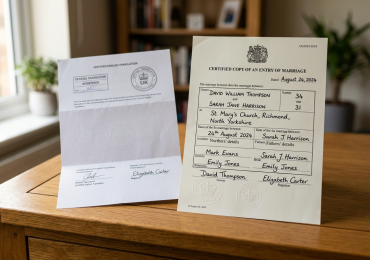
Understanding Certified Translation Stamps in the UK
A certified translation stamp is an official mark placed on a translated document to indicate that it is a true and accurate representation of the original text. This stamp serves as a guarantee that the translation has been completed by a qualified professional who adheres to industry standards. In the UK, certified translation stamps are often required for legal documents, academic transcripts, immigration paperwork, and other official uses where accuracy and authenticity are paramount.
The importance of certified translation stamps cannot be overstated. They provide assurance to institutions, government agencies, and individuals that the translated documents are reliable and meet the necessary legal requirements. For instance, when applying for a visa or submitting documents to the Home Office, a certified translation stamp can help prevent delays or rejections due to concerns about the validity of the translation. Furthermore, having a certified translation stamp enhances the credibility of the translator and the translation agency, fostering trust among clients and authorities alike.
In addition to ensuring accuracy, certified translation stamps also help to maintain the integrity of the translation process. They signify that the translator has undergone the appropriate training and possesses the necessary qualifications to perform certified translations. This is particularly crucial in fields such as legal and medical translation, where even minor errors can have significant consequences.
Overall, a certified translation stamp is a vital component of the translation process in the UK, serving as a mark of quality and reliability that protects both the translator and the client.
Legal Requirements for Certified Translation Stamps
The legal framework governing certified translation stamps in the UK is primarily shaped by the requirements set forth by various institutions and regulatory bodies. While there is no single law that dictates the specifics of certified translation stamps, several guidelines and best practices have been established to ensure compliance and credibility.
In the UK, certified translations are often required for documents submitted to government bodies, educational institutions, and legal entities. For instance, the UK Visas and Immigration (UKVI) has specific guidelines regarding the certification of translations for visa applications. According to these guidelines, translations must be completed by a qualified translator who is fluent in both the source and target languages, and the translator must provide a signed statement affirming the accuracy of the translation.
Who can issue certified translation stamps? In the UK, certified translation stamps can be provided by qualified translators or translation agencies that are authorized to certify documents. These professionals typically hold relevant qualifications, such as membership in professional organizations like the Chartered Institute of Linguists (CIOL) or the Institute of Translation and Interpreting (ITI). Membership in such organizations often requires adherence to strict ethical guidelines and standards of practice, further enhancing the credibility of the certified translation.
Additionally, translation agencies may have their own internal quality assurance processes in place, ensuring that all translations are thoroughly reviewed before certification. This multi-layered approach to certification helps to maintain high standards within the industry and provides clients with peace of mind that their documents are in capable hands.
Translation Stamp Requirements: What You Need to Know
Understanding the essential elements of a certified translation stamp is crucial for both translators and clients. A well-structured stamp typically includes several key components that validate the authenticity of the translation. These elements include:
- Translator’s Name: The name of the qualified translator who completed the translation should be clearly indicated.
- Qualifications: The translator’s professional qualifications, such as membership in a recognized translation body, should be included to establish credibility.
- Date of Certification: The date on which the translation was completed and certified must be present.
- Contact Information: Providing contact details allows clients or authorities to verify the translator’s credentials if necessary.
Common formats for translation stamps in the UK may vary, but they generally follow a standard layout that includes the above elements. Some translators may use a rubber stamp, while others might prefer a printed seal or an embossed stamp. Regardless of the format, the stamp must be clear and legible to ensure that it can be easily read by the recipient.
It is also important to note that the requirements for translation stamps can differ depending on the specific purpose of the translation. For example, documents submitted to the Home Office may have stricter requirements compared to those needed for academic purposes. Therefore, it is essential for translators to be aware of the specific guidelines set by the institutions or organizations for which they are providing translations.
The Role of Signatures in Certified Translations
Signatures play a crucial role in the certification of translations, serving as a personal endorsement of the translator’s work. A signature on a certified translation signifies that the translator takes full responsibility for the accuracy and completeness of the translation. This personal touch adds a layer of authenticity and trustworthiness to the document.
In the UK, it is generally required that certified translations include the translator’s signature alongside the stamp. This requirement is particularly important for legal documents, where the stakes are high, and any errors could lead to significant consequences. The signature acts as a formal declaration that the translator has adhered to the necessary standards and has completed the translation to the best of their ability.
To verify a translator’s signature, clients can take several steps. First, they should check the translator’s credentials, ensuring that they are qualified and authorized to provide certified translations. This can often be done by contacting the translator directly or through the translation agency they represent. Additionally, clients can look for membership in professional organizations, such as the CIOL or ITI, which often have verification processes in place for their members.
Certified Translation Seal: What It Entails
A certified translation seal is another form of validation used in the translation process, similar to a stamp. While the terms “seal” and “stamp” are often used interchangeably, there are subtle differences between the two. A certified translation seal typically refers to a more formalized mark, often embossed or printed, that signifies the translation has been completed by a qualified professional.
The purpose of a certified translation seal is to provide additional assurance to clients and authorities that the translation is accurate and has been completed by a competent translator. Seals are often used in conjunction with stamps, providing a double layer of verification. For example, a translation may feature both a stamp indicating the translator’s qualifications and a seal that confirms the translation’s authenticity.
Understanding the differences between stamps and seals is essential for clients seeking certified translations. While both serve similar purposes, stamps may be more common for informal documents, whereas seals are often reserved for legal or highly official documents. Clients should inquire about the specific requirements for their translations to ensure that they receive the appropriate form of certification.
Official Translation Stamp vs. Certified Translation Stamp
When navigating the world of translation, it is essential to understand the key differences between an official translation stamp and a certified translation stamp. While both types of stamps serve to validate translations, they are used in different contexts and have distinct implications.
An official translation stamp is typically used by government agencies or authorized bodies to certify that a translation has been completed according to specific regulations. This type of stamp may be required for documents submitted to government institutions, such as the Home Office or local councils. Official translation stamps often have specific formatting requirements and may need to be issued by a recognized authority.
On the other hand, a certified translation stamp is used more broadly and can be issued by individual translators or translation agencies. This stamp indicates that the translation has been completed accurately and is suitable for various purposes, including academic applications, immigration, and legal matters. Certified translation stamps do not necessarily need to be issued by a government body, but they must be provided by qualified professionals.
When determining which type of stamp to use, clients should consider the specific requirements of the institution or organization to which they are submitting their documents. For instance, if applying for a visa, it is crucial to check whether the Home Office requires an official translation stamp or if a certified translation stamp will suffice. Understanding these distinctions can help clients avoid potential issues and ensure that their documents are accepted without delay.
Common Misconceptions About Translation Stamps
There are several myths surrounding certified translation stamps that can lead to confusion and misunderstandings among clients. One common misconception is that any translation can be considered certified simply because it is accompanied by a stamp. In reality, a certified translation must meet specific criteria, including completion by a qualified translator and adherence to industry standards.
Another myth is that certified translations are only necessary for legal documents. While legal documents often require certification, many other types of documents, such as academic transcripts and medical records, may also need certified translations. Clients should not assume that certification is only relevant in specific contexts and should always verify the requirements for their particular situation.
Additionally, some clients believe that a certified translation stamp guarantees the quality of the translation. While a stamp indicates that the translation has been completed by a qualified professional, it does not necessarily guarantee that the translation is free of errors. Clients should always review the credentials of the translator and consider seeking additional verification if the stakes are high.
By clarifying these common misconceptions, clients can make more informed decisions when seeking certified translations and ensure that they understand the importance of certification in the translation process.
How to Obtain a Certified Translation Stamp
Obtaining a certified translation stamp involves several steps, each of which is essential to ensuring that the translation meets the necessary requirements. Here is a comprehensive guide to help clients navigate the process:
- Identify Your Needs: Determine the specific documents that require certified translation and understand the requirements set by the institution or organization to which you will submit them.
- Choose a Qualified Translator: Research and select a qualified translator or translation agency with a strong reputation for providing certified translations. Look for professionals who are members of recognized organizations, such as the CIOL or ITI.
- Request a Quote: Contact the translator or agency to request a quote for the translation services. Be sure to provide all necessary details, including the type of document, language pair, and any specific requirements for certification.
- Submit Your Documents: Once you have agreed on the terms, submit your documents for translation. Ensure that all original documents are provided, as these will be used to create the certified translation.
- Review the Translation: After the translation is completed, review the document to ensure that it meets your expectations and requirements. If necessary, request revisions before certification.
- Receive the Certified Translation: Once you are satisfied with the translation, the translator will apply the certified translation stamp and signature, providing you with the final document.
Choosing the right translation service is crucial to obtaining a certified translation stamp. Clients should consider factors such as the translator’s qualifications, experience, and client reviews when making their selection. Additionally, it is advisable to inquire about the agency’s quality assurance processes to ensure that the translation meets the highest standards.
Frequently Asked Questions
What is a certified translation stamp?
A stamp indicating that a translation is accurate and complete.
Who can provide a certified translation stamp in the UK?
Qualified translators or translation agencies authorized to certify documents.
What should a certified translation stamp include?
Translator’s name, qualifications, date of certification, and contact information.
Is a signature necessary on certified translations?
Yes, a signature is essential to validate the certification.
How do I know if my translation is certified?
Check for the stamp, signature, and accompanying certification statement.