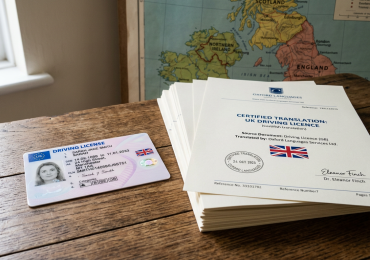
Understanding Driving Licence Translation in the UK
For individuals moving to the UK or planning to stay for an extended period, possessing a valid driving licence is essential. However, if your driving licence is issued in a foreign country, you will likely need to have it translated to comply with UK regulations. The translation of your driving licence is not merely a bureaucratic formality; it is crucial for ensuring that you can legally drive in the UK without facing legal issues. This process helps authorities understand your driving qualifications and history, which is vital for your safety and that of others on the road.
The translation process typically involves converting the text of your original driving licence into English while maintaining the integrity of the information. This includes personal details, vehicle categories, and any endorsements or restrictions. The translation must be accurate and certified to be accepted by the UK’s Driver and Vehicle Licensing Agency (DVLA). A certified translation assures the DVLA that the document is an accurate representation of the original, which is necessary for any official use.
To begin the translation process, you will first need to gather the necessary documents, including your original driving licence and any identification that proves your residency in the UK. Next, you will need to select a qualified translator or a translation service that specializes in driving licence translations. This ensures that the translation meets all legal requirements and is accepted by the DVLA.
In summary, understanding the importance of driving licence translation in the UK is the first step for foreign drivers. It not only facilitates legal compliance but also enhances road safety by ensuring that all drivers are properly vetted and qualified.
How to Translate Driving Licence for DVLA
The process of translating your driving licence for the DVLA can be broken down into several clear steps. Here’s a detailed guide:
- Gather Required Documents: Start by collecting your original driving licence, proof of identity, and proof of residency in the UK. These documents are essential for the translator to ensure accuracy.
- Choose a Certified Translator: It is crucial to select a translator or translation service that is certified and experienced in translating driving licences. Look for professionals who are members of recognized translation bodies, such as the Institute of Translation and Interpreting (ITI) or the Chartered Institute of Linguists (CIOL).
- Request a Quote: Contact your chosen translator to request a quote. Ensure that they provide a breakdown of costs and timelines. Be wary of any service that offers unusually low prices, as this may indicate a lack of quality.
- Submit Your Documents: Once you have agreed on the terms, submit your documents to the translator. Ensure that all documents are clear and legible to avoid any misinterpretation during translation.
- Review the Translation: After the translation is completed, review it carefully. Ensure that all details match your original licence and that there are no errors. It is advisable to have a second pair of eyes review the document for accuracy.
- Obtain Certification: The translator should provide a certification statement that confirms the accuracy of the translation. This statement is often required by the DVLA.
- Submit to DVLA: Finally, submit your translated driving licence along with any other required documents to the DVLA. Ensure you keep copies of everything submitted for your records.
By following these steps, you can ensure that your driving licence translation meets the requirements set by the DVLA, allowing you to drive legally in the UK.
DVLA Driving Licence Translation Requirements
The DVLA has specific requirements for translating driving licences, which must be adhered to in order for the translation to be accepted. Understanding these requirements is essential for a smooth process.
- Certified Translation: The translation must be completed by a certified translator. This ensures that the translation is accurate and meets the legal standards required by the DVLA.
- Complete and Accurate Information: The translated document must include all the information present on the original driving licence, including your name, date of birth, address, and any endorsements or restrictions on your licence.
- Language Requirements: The translation must be in English. If your original licence is in a language that uses a different script (e.g., Arabic, Chinese), the translator should also include a transliteration of your name.
- Certification Statement: The translator must provide a signed statement confirming that the translation is a true and accurate representation of the original document. This statement should include the translator’s qualifications and contact information.
- Submission Format: The translated document should be submitted in a clear and legible format. Digital submissions are often accepted, but you may also need to provide a hard copy.
In addition to these requirements, it is advisable to check the latest guidelines on the DVLA website or contact them directly for any updates or changes to the translation process. This ensures that you are fully compliant and can avoid any potential delays in processing your application.
Driving Licence Exchange Translation in the UK
Driving licence exchange refers to the process by which a foreign driving licence can be converted into a UK driving licence. This process is particularly relevant for individuals who plan to reside in the UK long-term and wish to drive legally without the need for a foreign licence. Understanding the translation requirements for this process is crucial.
When exchanging your foreign driving licence for a UK licence, the translation of your original document is a key step. The DVLA requires that your foreign driving licence be translated into English if it is not already in that language. Here are the specific translation requirements for licence exchange:
- Certified Translation: As with standard driving licence translations, the translation must be certified. This ensures that it meets the DVLA’s standards and is legally acceptable.
- Complete Documentation: You will need to provide the DVLA with your original driving licence, the certified translation, and any additional documents they may require, such as proof of identity and residency.
- Application Form: Complete the appropriate application form for exchanging your licence. This form can typically be found on the DVLA’s website.
- Fees: Be aware that there may be fees associated with the licence exchange process, including the cost of translation. Ensure you are informed about all potential costs before proceeding.
By ensuring that your driving licence is accurately translated and meets all DVLA requirements, you can facilitate a smoother exchange process and obtain your UK driving licence without unnecessary delays.
Foreign Driving Licence Translation Process
The foreign driving licence translation process can present several challenges, particularly for those unfamiliar with the requirements and procedures in the UK. Here are some common challenges and how to navigate them effectively:
- Language Barriers: If your driving licence is in a language that is not widely spoken in the UK, finding a qualified translator may be challenging. It is essential to seek out translation services that specialize in your language pair.
- Understanding Requirements: The DVLA’s requirements for translated documents can be complex. Ensure you thoroughly read their guidelines or consult with a professional translator to confirm you have all necessary documents.
- Quality of Translation: Not all translation services provide the same level of quality. It is crucial to choose a reputable service that guarantees certified translations, as poor quality translations can lead to rejection by the DVLA.
- Time Constraints: Depending on the translator’s workload, the translation process can take time. Plan ahead to ensure you have your translated documents ready when needed.
To ensure accuracy and compliance throughout the translation process, consider the following tips:
- Use a Reputable Service: Research and select a translation service with positive reviews and a proven track record in translating driving licences.
- Request Samples: If possible, ask the translator for samples of previous work to gauge their quality and attention to detail.
- Communicate Clearly: Provide clear instructions and all necessary documents to the translator to minimize misunderstandings and ensure a smooth translation process.
By being proactive and informed about the foreign driving licence translation process, you can navigate potential challenges and ensure that your translation meets all necessary requirements.
DVLA Translation Rules You Must Know
When it comes to translating driving licences for the DVLA, there are several key rules that must be adhered to. Understanding these rules is essential to avoid complications or delays in the processing of your application.
- Certified Translations Only: The DVLA requires that all translations be certified. This means that the translator must provide a signed statement confirming the accuracy of the translation.
- Full and Accurate Representation: The translation must include all information from the original driving licence, with no omissions or alterations. This includes personal information, vehicle categories, and any endorsements.
- Legibility and Clarity: The translated document must be clear and legible. If the DVLA cannot read the document, it may be rejected.
- Compliance with Local Laws: The translation must comply with any local laws and regulations regarding driving licences in the UK. This includes ensuring that the translator is qualified and that the translation meets any specific legal standards.
Failing to comply with these rules can result in significant consequences, including delays in processing your application, the need for re-translation, and potential legal issues. Therefore, it is critical to ensure that your translation meets all DVLA requirements before submission.
Tips for a Smooth Translation Experience
To ensure a smooth translation experience when getting your driving licence translated, consider the following tips:
- Research Reputable Translation Services: Look for translation services with positive reviews and expertise in driving licence translations. A reputable service will understand the specific requirements of the DVLA.
- Get Multiple Quotes: Don’t settle for the first translation service you find. Obtain quotes from several providers to compare prices and services offered.
- Ask About Turnaround Times: Inquire about the expected turnaround time for your translation. This will help you plan accordingly and avoid last-minute rushes.
- Clarify the Process: Before committing, ask the translation service to explain their process. Understanding how they handle translations can give you confidence in their ability to deliver quality work.
- Maintain Communication: Stay in touch with your translator throughout the process. Clear communication can help address any questions or concerns that arise.
By following these tips, you can enhance your translation experience and ensure that your driving licence translation is completed efficiently and accurately.
Frequently Asked Questions about Driving Licence Translation
What documents are required for driving licence translation?
To translate your driving licence, you will need to provide the original driving licence as well as proof of identity and residency in the UK. These documents are essential for the translator to ensure accuracy.
How long does the driving licence translation process take?
The driving licence translation process typically takes around 3-5 business days. However, this can vary depending on the translator’s workload and the complexity of the documents.
Can I use a non-certified translation for DVLA?
No, the DVLA requires certified translations. Non-certified translations may lead to rejection of your application, delaying your ability to drive legally in the UK.
Is there a fee for driving licence translation?
Fees for driving licence translation vary by service provider. It is advisable to check for quotes before proceeding to ensure you understand the costs involved.
What happens if my translation is incorrect?
If your translation is incorrect, it may lead to potential delays in processing your application. You may need to undergo re-translation, which can incur additional fees and prolong the overall process.