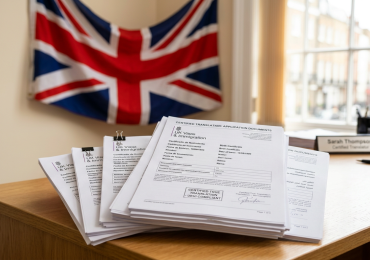
Understanding Certified Translation for Driving Tests
Certified translation is a crucial process that ensures documents are accurately translated and recognized by authorities. In the context of the UK driving test, certified translations are necessary for individuals who hold foreign driving licenses or other relevant documents in a language other than English. This process not only involves translating the text but also attesting to its accuracy and completeness, which is vital for official use.
The importance of certified translation for driving tests in the UK cannot be overstated. The Driver and Vehicle Licensing Agency (DVLA) requires that all documents submitted for driving tests, including foreign licenses, provisional licenses, and identity documents, be translated by a certified translator. This requirement ensures that the DVLA can accurately assess the applicant’s qualifications and driving history. Without a certified translation, applicants risk delays or even rejection of their applications, which can hinder their ability to obtain a UK driving license.
Moreover, certified translations provide a level of assurance that the documents have been handled by professionals who are knowledgeable about legal terminology and the nuances of both the source and target languages. This is particularly important in legal contexts, where misinterpretation can lead to serious consequences. Thus, understanding the certified translation process is essential for anyone looking to take the driving test in the UK.
Key Documents That Require Translation
When preparing for a driving test in the UK, several key documents may require certified translation. Understanding which documents need to be translated is crucial for a smooth application process.
- Provisional Licence Translation UK: If you hold a provisional driving license issued in a foreign country, it must be translated into English by a certified translator. This document is essential for proving your eligibility to take the driving test in the UK.
- Foreign Licence Translation for Driving Test: Individuals with a full foreign driving license must also have it translated. The DVLA requires a certified translation to ensure that the details on the foreign license, such as the license number, expiration date, and personal information, are accurately represented.
- Identity Document Translation for Driving Test UK: Besides driving licenses, other identity documents, such as passports or national ID cards, may need translation. These documents are often required to verify your identity and residency status when applying for a driving test.
Each of these documents plays a vital role in the application process, and ensuring that they are accurately translated is essential for compliance with DVLA regulations. Failure to provide certified translations can lead to delays or complications in obtaining a driving license.
The Role of the DVLA in Document Translation
The Driver and Vehicle Licensing Agency (DVLA) plays a significant role in the certification and verification of translated documents for driving tests. The DVLA has specific requirements regarding the translation of documents, and understanding these can help applicants navigate the process more effectively.
First and foremost, the DVLA requires that all translations be completed by a certified translator. This means that the translator must be a professional who is qualified and recognized to provide certified translations. The DVLA may request proof of the translator’s credentials, so it is essential to choose a reputable service that can provide this information.
Once the documents are translated, the DVLA has a verification process in place to ensure the accuracy and authenticity of the translations. This may involve cross-referencing the translated documents with the original documents to confirm that all information has been accurately conveyed. If there are discrepancies or if the translation does not meet the DVLA’s standards, the applicant may be required to submit additional documentation or corrections.
Understanding the DVLA’s role in this process can help applicants prepare their documents correctly and avoid potential pitfalls. It is advisable to consult with certified translation services that are familiar with DVLA requirements to ensure compliance and accuracy.
Steps to Get Your Documents Translated
Obtaining certified translations for your driving test documents involves several key steps. Following these steps can streamline the process and ensure that your translations meet the necessary requirements.
- Choosing a Certified Translator: Start by selecting a certified translator or a translation service that specializes in legal and official documents. Look for providers who have experience with DVLA requirements and can offer certifications and references.
- Submitting Documents for Translation: Once you have chosen a translator, submit your original documents along with any specific instructions regarding the translation. It is important to provide clear copies of the documents to avoid any misinterpretations.
- Expected Turnaround Times: Discuss the expected turnaround times with your translator. Generally, certified translations can take anywhere from 3 to 5 business days, depending on the complexity of the documents and the translator’s workload. If you need the translations urgently, inquire about expedited services.
By following these steps, you can ensure that your documents are translated accurately and in a timely manner, allowing you to proceed with your driving test application without unnecessary delays.
Common Challenges in Document Translation
While the process of getting documents translated for the UK driving test may seem straightforward, several challenges can arise. Being aware of these challenges can help applicants prepare and avoid potential issues.
- Language Barriers: One of the most significant challenges is the language barrier itself. If the original documents are in a language that is not commonly spoken in the UK, finding a qualified translator who understands both the source language and English can be difficult.
- Understanding Legal Terminology: Legal terminology can be complex and varies between languages. A translator must not only be fluent in both languages but also have a solid understanding of legal terms to ensure accurate translations.
- Ensuring Accuracy and Compliance: The DVLA has strict requirements for document translations. Any errors or omissions can lead to delays or rejection of the application. Therefore, it is crucial to choose a translator who pays attention to detail and understands the compliance requirements of the DVLA.
By recognizing these challenges, applicants can take proactive steps to mitigate risks, such as selecting experienced translators and thoroughly reviewing translated documents before submission.
Cost of Certified Translation for Driving Tests
The cost of certified translation services can vary significantly based on several factors. Understanding these factors can help applicants budget effectively for their translation needs.
- Factors Affecting Translation Costs: The complexity of the documents, the language pair, and the turnaround time can all influence the cost. For instance, documents that require specialized knowledge or are in less common languages may incur higher fees.
- Average Pricing for Document Translation Services: On average, certified translation services in the UK may charge between £50 to £150 per page, depending on the factors mentioned above. It is advisable to request quotes from multiple providers to compare prices and services.
Being aware of these costs can help applicants make informed decisions and avoid unexpected expenses during the translation process.
Tips for a Smooth Translation Process
To ensure a smooth translation process for your driving test documents, consider the following tips:
- Preparing Documents for Translation: Make sure your documents are clear and legible. If necessary, provide translations of any handwritten notes or annotations to avoid confusion.
- Communicating with Your Translator: Maintain open communication with your translator. Discuss any specific requirements or concerns you may have regarding the translation to ensure that your needs are met.
- Double-Checking Translated Documents: Once you receive the translated documents, review them carefully for accuracy. Ensure that all details match the original documents and that there are no errors or omissions.
By following these tips, you can enhance the efficiency and effectiveness of the translation process, ultimately leading to a successful driving test application.
Frequently Asked Questions about Driving Test Document Translation
What documents need translation for the UK driving test?
Documents that typically require translation include the provisional licence, foreign driving licence, and identity documents such as passports or national ID cards.
How long does it take to get documents translated?
Translation typically takes 3-5 business days, but this can vary depending on the translator’s workload and the complexity of the documents.
Can I use a non-certified translation for my driving test?
No, the DVLA requires certified translations for all documents submitted for the driving test. Non-certified translations may not be accepted.
What if my documents are in multiple languages?
Each document must be translated separately, and it is essential that each translation is certified to meet DVLA requirements.
Where can I find certified translators for my documents?
You can search online directories or contact translation services that specialize in legal documents to find certified translators.