
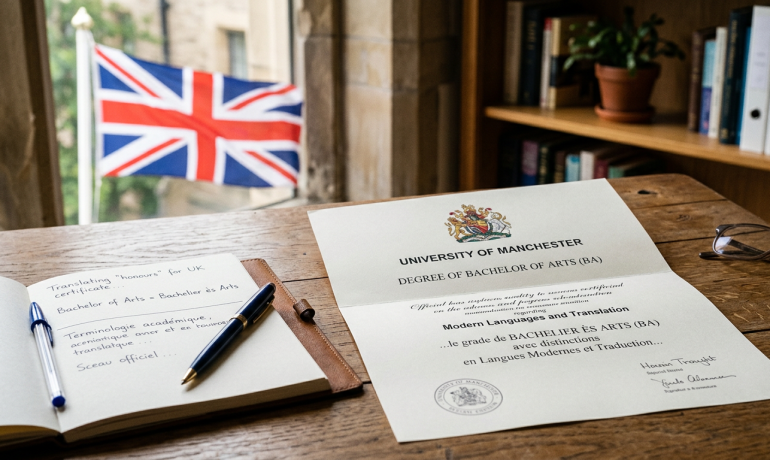
Understanding the Importance of Degree Certificate Translation
Translating your degree certificate is a critical step for anyone looking to work or study in the UK. Employers and educational institutions often require a precise understanding of foreign qualifications to assess candidates effectively. A degree certificate translation ensures that your qualifications are accurately represented, allowing UK employers and universities to evaluate your academic background without ambiguity. This process not only facilitates job applications but also plays a vital role in academic admissions, where institutions need to understand the equivalency of your foreign degree to UK standards.
For example, if you hold a degree from a non-English speaking country, a direct translation of your certificate can help employers recognize your qualifications, thus enhancing your employability. In the academic realm, universities often require translated documents as part of their admissions process, ensuring that they can assess your eligibility based on the correct understanding of your academic history. Without a certified translation, your application may be delayed or even rejected due to misunderstandings regarding your qualifications.
Moreover, the importance of degree translations extends beyond immediate job or academic opportunities. Many professional licensing boards in the UK require translated documents to grant licenses or certifications, making it essential for professionals in fields such as healthcare, engineering, and education. Thus, ensuring that your degree certificate is translated accurately and professionally can significantly impact your career trajectory in the UK.
Key Requirements for Translating a Degree Certificate in the UK
When translating a degree certificate for use in the UK, there are specific standards and requirements that must be adhered to. The UK has established guidelines for what constitutes a certified translation, which is crucial for ensuring that your translated documents are accepted by employers and educational institutions alike. A certified translation is one that is accompanied by a signed statement from the translator or translation service, confirming that the translation is accurate and complete.
Recognized translation services in the UK are typically members of professional bodies such as the Institute of Translation and Interpreting (ITI) or the Association of Translation Companies (ATC). These organizations set high standards for translation quality and ethics, ensuring that the translators are qualified and experienced. It is advisable to choose a translation service that is accredited by one of these bodies, as this adds an extra layer of credibility to your translated documents.
In addition to certification, the translation must be done by a professional who is fluent in both the source and target languages, as well as knowledgeable about the specific terminology used in academic qualifications. This ensures that the nuances of your degree are accurately conveyed. Furthermore, the translated document should mirror the original format, including any seals or stamps, to maintain its authenticity and integrity.
How to Choose a Reliable Translation Service
Selecting a reliable translation service is crucial to ensure that your degree certificate is translated accurately and meets the necessary standards. Here are several factors to consider:
- Accreditation: Look for translation services that are accredited by recognized professional bodies such as the ITI or ATC. This accreditation signifies that the service adheres to strict quality standards.
- Experience: Choose a service with experience in academic credential translation. They should have a proven track record of translating documents similar to yours.
- Specialization: Ensure that the translators are specialists in the field of education and understand the specific terminology associated with degree certificates.
- Client Reviews: Check reviews and testimonials from previous clients to gauge the reliability and quality of the service.
- Turnaround Time: Inquire about the expected turnaround time for your translation. A reputable service should provide a clear timeline and options for expedited services if needed.
When contacting potential translation providers, ask the following questions to assess their suitability:
- Are your translators certified and experienced in academic translations?
- What is your process for ensuring accuracy and quality in translations?
- Can you provide examples of previous translations you have completed?
- What is the cost structure for your services, and are there any additional fees?
- How do you handle confidentiality and data protection for sensitive documents?
The Process of Translating Your Degree Certificate
The process of translating your degree certificate involves several key steps to ensure that the translation is accurate and meets the required standards. Here’s a step-by-step guide:
- Choose a Translation Service: Research and select a reputable translation service that specializes in academic credential translation.
- Submit Your Degree Certificate: Provide a clear copy of your degree certificate to the translation service. Ensure that the document is legible and free from any damage.
- Provide Additional Documentation: Some translation services may require additional documents for verification purposes, such as transcripts or identification.
- Review the Translation: Once the translation is complete, review it for accuracy. Most services will provide a draft for your approval before finalizing the document.
- Receive the Certified Translation: After approval, you will receive the certified translation, typically accompanied by a signed declaration of accuracy from the translator.
Common documents required for the translation process may include:
- Your original degree certificate
- Transcripts or marksheets
- Identification documents (e.g., passport or national ID)
By following these steps, you can ensure that your degree certificate is translated accurately and is ready for submission to UK employers or educational institutions.
Degree Equivalency Translation: What You Need to Know
Degree equivalency translation is an essential aspect of the academic and professional recognition process in the UK. It assesses how your foreign degree compares to UK qualifications, which is crucial for both employment and further education opportunities. Understanding the equivalency of your degree can help you navigate the job market and academic applications more effectively.
To obtain a degree equivalency assessment, you typically need to submit your translated degree certificate along with other supporting documents to a recognized assessment body. One of the main organizations for this purpose in the UK is UK ENIC, which provides information on how foreign qualifications compare to UK standards. They evaluate the level of your degree and provide a statement of comparability, which can be used by employers and educational institutions.
It is important to note that the process of obtaining a degree equivalency assessment can vary depending on the country of origin of your degree and the specific requirements of the assessment body. Therefore, it is advisable to check the guidelines provided by UK ENIC or similar organizations to ensure that you meet all necessary criteria.
Translating Your Degree for UCAS Applications
If you are applying to universities in the UK through UCAS (Universities and Colleges Admissions Service), it is essential to ensure that your degree translation meets specific requirements. UCAS requires that all academic documents submitted as part of your application are translated accurately and certified, allowing universities to assess your qualifications appropriately.
Here are some specific requirements for UCAS degree translations:
- Your degree certificate and transcripts must be translated into English by a certified translator.
- The translation must include the translator’s signature and a statement of accuracy.
- Ensure that the translated documents reflect the same format as the originals, including any seals or stamps.
To ensure your UCAS application is successful, consider the following tips:
- Start the translation process early to avoid delays in your application.
- Double-check that all documents are complete and accurately translated.
- Consult UCAS guidelines to ensure compliance with their requirements.
By adhering to these guidelines, you can enhance your chances of a successful application to UK universities.
ENIC Translation in the UK: A Comprehensive Overview
ENIC (European Network of Information Centres) plays a significant role in the recognition of foreign qualifications in the UK. Understanding what ENIC is and its significance in degree translation can help you navigate the complexities of academic and professional recognition.
ENIC provides information on how foreign qualifications compare to UK qualifications and assists individuals in obtaining recognition for their degrees. To get your degree recognized through ENIC, you will need to submit your translated degree certificate along with other required documents for evaluation.
The process typically involves:
- Submitting your original degree certificate and transcripts, along with their certified translations.
- Completing an application form and paying any associated fees.
- Waiting for the assessment, which usually takes several weeks.
Once your application is processed, you will receive a statement of comparability, which can be used to demonstrate the equivalency of your qualifications to potential employers or educational institutions in the UK.
Common Mistakes to Avoid When Translating Your Degree
- Inaccurate Translations: Ensure that the translator is experienced in academic terminology to avoid misinterpretations.
- Missing Information: All details from the original document should be included in the translation, such as dates, grades, and signatures.
- Non-Certified Translations: Many institutions require certified translations; self-translations are typically not accepted.
- Ignoring Formatting: The translated document should mirror the original format to maintain its authenticity.
To ensure accuracy and compliance, always choose a professional translation service that specializes in academic documents. Reviewing the translated document thoroughly before submission can also help catch any potential errors.
Cost of Degree Certificate Translation in the UK
The cost of translating a degree certificate in the UK can vary based on several factors, including the complexity of the document, the language pair, and the urgency of the translation. On average, you can expect to pay between £50 to £150 for a standard certified translation.
Factors influencing translation costs include:
- Language Pair: Some languages may require specialized knowledge, affecting the price.
- Document Length: Longer documents typically incur higher costs due to the increased time required for translation.
- Certification Requirements: Additional fees may apply for certified translations, especially if notarization is required.
- Turnaround Time: Expedited services often come at a premium, so plan accordingly if you need a quick turnaround.
To get the best value, it is advisable to obtain quotes from multiple translation services and compare their offerings. Ensure that the service you choose meets the necessary accreditation and quality standards.
Conclusion: Ensuring Your Degree Certificate is Ready for the UK
Translating your degree certificate is a vital step for anyone looking to work or study in the UK. By understanding the importance of accurate translations, the requirements involved, and how to choose a reliable service, you can ensure that your qualifications are recognized appropriately. Remember to avoid common mistakes and consider the costs involved to make informed decisions throughout the process.
For a successful translation, it is often beneficial to seek professional help from accredited translation services. This not only guarantees accuracy but also provides peace of mind as you navigate your academic and professional journey in the UK.
Frequently Asked Questions
What is the process for translating a degree certificate?
Submit your degree certificate to a translation service; provide any required documents for verification.
How long does it take to translate a degree certificate?
Typically, it takes 5-10 business days; expedited services may be available for urgent requests.
Do I need a certified translation for my degree certificate?
Yes, most UK employers and universities require certified translations; check specific requirements for your institution.
What is degree equivalency translation?
It assesses how your degree compares to UK qualifications; essential for academic and professional recognition.
Can I translate my degree certificate myself?
Self-translations are generally not accepted; professional translation ensures accuracy and credibility.