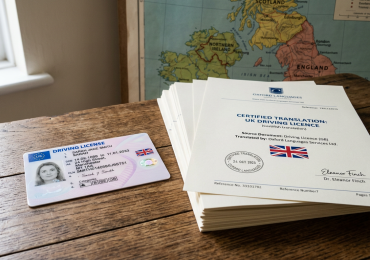
Understanding DVLA Licence Exchange Translation
The process of DVLA licence exchange translation is crucial for individuals looking to exchange their foreign driving licences for a UK equivalent. This translation ensures that the information on the original licence is accurately conveyed in English, which is a requirement set by the Driver and Vehicle Licensing Agency (DVLA). The importance of accurate translations cannot be overstated; even minor errors can lead to complications in the exchange process, potentially resulting in delays or rejections of applications.
Accurate translations are essential for several reasons. Firstly, they help maintain the integrity of the information provided to the DVLA, which relies on precise data to verify the identity and qualifications of drivers. Secondly, an accurate translation can prevent legal issues that may arise from misinterpretations of the licence details. For example, if a translated document incorrectly states a driver’s eligibility or restrictions, it could lead to legal repercussions for the driver.
Moreover, the DVLA has specific guidelines regarding the translation of driving licences, which include the necessity for certified translations. A certified translation is one that is accompanied by a declaration from the translator or translation service, affirming that the translation is a true and accurate representation of the original document. This certification is vital for the DVLA to trust the authenticity of the information provided.
In summary, understanding the nuances of DVLA licence exchange translation is essential for anyone looking to navigate the complexities of exchanging a foreign driving licence in the UK. It not only facilitates a smoother application process but also ensures compliance with legal requirements, ultimately safeguarding the driver’s rights and responsibilities.
DVLA Document Translation Requirements
When preparing to translate your driving licence for the DVLA, it is crucial to understand the specific DVLA document translation requirements. The DVLA requires that certain documents be translated into English to facilitate the exchange of a foreign driving licence. Here is a comprehensive list of the required documents:
- Original Driving Licence: The primary document that needs translation. It must display all relevant details, including the driver’s name, date of birth, address, and the categories of vehicles the driver is licensed to operate.
- Proof of Identity: This could include a passport or national identity card. It is necessary to verify the identity of the applicant and ensure that the details on the driving licence match those on the identification document.
- Residency Documents: Applicants may need to provide proof of residency in the UK, such as utility bills or bank statements, to confirm their current address.
In addition to the required documents, there are specific format and language requirements that must be adhered to:
- Language: Translations must be in English. If the original document is in a language that uses a different script (e.g., Arabic, Chinese), it may also need to include a transliteration.
- Format: The translation should be presented in a clear and legible format, ideally matching the layout of the original document. This helps the DVLA easily cross-reference the translated information with the original.
- Certification: As mentioned earlier, a certified translation is required. This means that the translator must provide a signed statement confirming the accuracy of the translation, along with their qualifications.
Failure to meet these requirements can lead to delays in the processing of your application or even rejection. Therefore, it is advisable to consult with a professional translation service that specializes in DVLA document translation to ensure that all requirements are met.
How to Translate Your Driving Licence for DVLA
The process of translating your driving licence for the DVLA involves several key steps. Following these steps carefully can help avoid common pitfalls that may complicate your application:
- Gather Required Documents: Start by collecting your original driving licence, proof of identity, and residency documents. Ensure that these documents are current and valid.
- Select a Certified Translation Service: Choose a translation service that is certified and has experience in translating driving licences. Look for reviews or testimonials to gauge their reliability and quality of work.
- Submit Your Documents: Provide the translation service with clear copies of your documents. Ensure they understand the specific requirements set by the DVLA, including the need for certification.
- Review the Translation: Once the translation is complete, review it carefully. Check for accuracy in the details and ensure that it matches the original document. Pay special attention to names, dates, and vehicle categories.
- Obtain Certification: Ensure that the translation service provides a certification statement. This statement should include the translator’s qualifications and affirm that the translation is accurate.
- Submit to the DVLA: Finally, submit your translated documents along with your application for the licence exchange. Make sure to keep copies of all documents for your records.
Common pitfalls to avoid during this process include:
- Using Non-Certified Translators: The DVLA does not accept translations from non-certified translators. Always ensure that your translator is accredited.
- Incomplete Documentation: Failing to provide all required documents can delay your application. Double-check that you have everything needed.
- Ignoring Format Requirements: Ensure that the translation is formatted correctly. A poorly formatted document can lead to confusion and potential rejection.
By following these steps and being mindful of common pitfalls, you can streamline the process of translating your driving licence for the DVLA and increase your chances of a successful application.
Choosing a DVLA Certified Translation Service
When selecting a DVLA certified translation service, it is essential to consider several criteria to ensure you receive high-quality translations that meet DVLA standards:
- Accreditation: Look for translation services that are accredited by recognized bodies, such as the Institute of Translation and Interpreting (ITI) or the Association of Translation Companies (ATC). Accreditation indicates a commitment to quality and professionalism.
- Experience with DVLA Translations: Choose a service that has specific experience in translating documents for the DVLA. They should be familiar with the requirements and common challenges associated with this type of translation.
- Client Reviews and Testimonials: Research client feedback to gauge the reliability and quality of the service. Positive reviews can provide insight into the experiences of previous customers.
- Turnaround Time: Inquire about the typical turnaround time for translations. Ensure that the service can meet your deadlines, especially if you are working with time-sensitive applications.
- Cost Transparency: Look for a service that provides clear pricing structures. Be wary of hidden fees that may arise during the translation process.
Using a certified translator for DVLA translations offers several benefits:
- Accuracy: Certified translators are trained professionals who ensure that translations are accurate and meet all necessary requirements.
- Legal Compliance: A certified translation is more likely to be accepted by the DVLA, reducing the risk of delays or rejections.
- Peace of Mind: Knowing that your documents are in the hands of professionals can alleviate stress during the application process.
In conclusion, choosing the right DVLA certified translation service is crucial for a successful licence exchange. By considering the factors outlined above, you can select a service that meets your needs and ensures compliance with DVLA requirements.
Foreign Licence Exchange Translation in the UK
The process of foreign licence exchange translation in the UK is designed to facilitate the transition for drivers who hold a licence from another country. It is essential to understand the key differences between UK and foreign licence requirements to navigate this process effectively:
- Eligibility Criteria: Not all foreign licences are eligible for exchange. The DVLA has specific criteria regarding which countries’ licences can be exchanged. For instance, licences from EU countries are generally accepted, while those from some non-EU countries may require additional verification.
- Documentation Requirements: Foreign drivers must provide a set of documents, including their original driving licence, proof of identity, and residency documents. The DVLA may also require additional documentation depending on the country of origin.
- Translation Necessities: As previously discussed, translations of foreign licences must be certified and meet DVLA standards. This requirement ensures that the information is accurately represented in English.
- Driving Tests: In some cases, drivers may be required to take a driving test in the UK, especially if their foreign licence is not from an eligible country. This requirement can vary based on the specific regulations in place.
Understanding these differences is crucial for a smooth application process. Failure to comply with the DVLA’s requirements can lead to complications, including delays in receiving a UK driving licence or the inability to exchange a foreign licence altogether.
The DVLA Certified Translation Process
The DVLA certified translation process involves several key steps to ensure that the translated documents meet the agency’s stringent standards. Here’s what you need to know:
- Document Submission: Begin by submitting your original driving licence and any additional required documents to the translation service.
- Translation: The translator will convert the documents into English, ensuring that all information is accurately represented. This includes not only the text but also any relevant symbols or formats that appear on the original licence.
- Certification: Once the translation is complete, the translator will provide a certification statement. This statement must include the translator’s qualifications and affirm that the translation is a true and accurate representation of the original document.
- Quality Assurance: Many reputable translation services implement a quality assurance process, where a second translator reviews the work to catch any potential errors or omissions.
- Delivery: After certification, the translated documents will be delivered to you, ready for submission to the DVLA.
To ensure that your translation meets DVLA standards, consider the following tips:
- Choose a Reputable Service: Select a translation service with a proven track record in DVLA translations. Their expertise will help ensure compliance with all requirements.
- Verify Translator Qualifications: Ensure that the translator is qualified and experienced in translating driving licences. This expertise is crucial for accuracy.
- Request a Sample: If possible, request a sample of previous work to gauge the quality of the translations provided by the service.
By understanding the DVLA certified translation process and taking the necessary steps to ensure compliance, you can streamline your application for a UK driving licence and avoid potential pitfalls.
Common Questions About DVLA Licence Exchange Translation
What documents do I need for DVLA licence exchange translation?
To successfully translate your driving licence for the DVLA, you will need the following documents:
- Driving licence
- Proof of identity
- Residency documents
How long does the DVLA licence exchange translation process take?
The translation process typically takes between 5-10 business days, although this can vary depending on the translation service used and their workload.
Can I translate my driving licence myself for DVLA?
No, self-translation is not accepted by the DVLA. You must use a certified translator to ensure that the translation meets all necessary standards.
What is a DVLA certified translation?
A DVLA certified translation is one that meets the DVLA standards and includes a translator’s certification statement, affirming the accuracy of the translation.
Are there any specific languages required for DVLA licence exchange?
Translations must be in English. If the original document is in another language, it may require additional documentation to support the translation process.