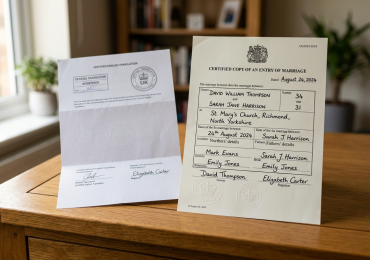
Understanding Certified Translation for University Admission
Certified translation is a specialized service that ensures the accuracy and authenticity of translated documents. This type of translation is crucial for individuals applying to universities in the UK, particularly for international students whose academic records are in a language other than English. A certified translation is officially recognized and signed by a qualified translator, providing assurance that the translation is complete and accurate. This is essential for university admissions, as institutions require precise representations of academic qualifications.
The importance of certified translation for university applications cannot be overstated. Universities in the UK, such as those participating in the UCAS (Universities and Colleges Admissions Service) system, have specific requirements regarding the documentation submitted by international applicants. These requirements often include the translation of academic transcripts, degree certificates, and other relevant documents. Without certified translations, applicants risk having their documents deemed invalid, which could lead to application delays or outright rejection.
Moreover, certified translations help facilitate a smoother admission process by eliminating potential misunderstandings regarding the applicant’s qualifications. Universities rely on these translations to assess the academic background of candidates accurately. Therefore, ensuring that all documents are translated by a certified professional is a critical step in the university admission journey.
Key UCAS Translation Requirements
The UCAS application process is a vital pathway for students wishing to pursue higher education in the UK. It involves submitting various documents, including personal statements, reference letters, and academic records. For international students, the translation of academic documents is a significant part of this process. UCAS has established specific translation requirements to ensure that all applicants are evaluated fairly and consistently.
Firstly, all academic documents not originally in English must be translated into English by a certified translator. This includes transcripts, diplomas, and other qualifications. The translation must be a complete and accurate representation of the original document, including all grades, courses, and any other relevant information. Furthermore, the translated documents must include the translator’s certification statement, which verifies their qualifications and the accuracy of the translation.
Additionally, UCAS requires that the translations be accompanied by the original documents in their native language. This dual submission allows admissions officers to cross-reference the translations with the original documents, ensuring transparency and accuracy in the evaluation process.
Another important aspect of UCAS translation requirements is the need for consistency in terminology. For instance, specific academic terms must be translated in a way that aligns with UK educational standards. This means that a translator familiar with the UK education system is highly beneficial. Failure to adhere to these guidelines can lead to complications in the application process, potentially affecting an applicant’s chances of admission.
In summary, understanding and following the UCAS translation requirements is crucial for international students. Ensuring that all academic documents are accurately translated and certified not only meets the application criteria but also enhances the applicant’s credibility in the eyes of admissions committees.
Types of Academic Documents That Need Translation
- Transcripts: Academic transcripts are official records of a student’s academic performance, detailing the courses taken, grades received, and overall GPA. These documents must be translated to provide universities with a clear understanding of the applicant’s academic background.
- Degree Certificates: A degree certificate is an official document that confirms the completion of a specific academic program. For international applicants, translating this document into English is crucial, as universities need to verify the qualifications being presented.
- Personal Statements: While personal statements may not always require certified translation, if they are written in a language other than English, they should be translated. This ensures that admissions committees fully understand the applicant’s motivations and qualifications.
In addition to these primary documents, other supporting materials may also need translation, such as letters of recommendation or certificates of extracurricular achievements. Each document plays a vital role in the admissions process, and having them accurately translated can significantly impact the applicant’s chances of success.
The Process of Translating Academic Documents
The process of translating academic documents involves several key steps to ensure accuracy and compliance with university requirements. Understanding these steps can help applicants navigate the translation process more effectively.
- Document Preparation: The first step is to gather all relevant documents that require translation. This includes academic transcripts, degree certificates, and any other supporting documents. It’s essential to ensure that these documents are complete and legible, as any missing information can lead to delays in the translation process.
- Selecting a Certified Translator: Choosing a reliable translation service is crucial. Look for a translator or translation agency that specializes in academic translations and has experience with UCAS requirements. It’s important to verify their credentials and ensure they are qualified to provide certified translations.
- Translation Process: Once a translator is selected, they will begin the translation process. This involves translating the documents accurately and ensuring that all terminology is consistent with UK educational standards. The translator will also prepare a certification statement to accompany the translated documents.
- Review and Quality Assurance: After the translation is completed, it’s advisable to have the documents reviewed for accuracy. This can be done by a second translator or a professional editor familiar with academic terminology.
- Submission of Translated Documents: Finally, once the translations are complete and verified, they can be submitted alongside the original documents as part of the UCAS application. Ensure that all documents are organized and presented clearly to facilitate the review process.
Following these steps can help ensure that the translation process is smooth and that all documents meet the necessary requirements for university admission.
Why Choose Certified Translation Services?
Opting for certified translation services offers numerous benefits, particularly for students applying to universities in the UK. One of the primary advantages is the assurance of accuracy. Certified translators are trained professionals who understand the nuances of both the source and target languages, ensuring that the translation reflects the original document’s intent and meaning.
Additionally, certified translation services provide a level of credibility that is often required by universities. Admissions committees are more likely to trust documents that have been translated by certified professionals, as these translations come with a guarantee of quality and accuracy. This can significantly enhance an applicant’s profile and increase their chances of admission.
On the other hand, submitting non-certified translations can have serious consequences. Universities may reject applications that include unofficial translations, leading to delays or even disqualification from the admissions process. Furthermore, non-certified translations can create misunderstandings about an applicant’s qualifications, potentially harming their chances of acceptance.
In summary, choosing certified translation services is a critical step for international students seeking admission to UK universities. The benefits of accuracy, credibility, and compliance with university requirements far outweigh the risks associated with non-certified translations.
Common Challenges in University Document Translation
Translating academic documents for university admission can present several challenges that applicants should be aware of. Understanding these challenges can help students prepare better and avoid potential pitfalls.
- Language Nuances: Different languages have unique structures, idioms, and expressions that may not have direct equivalents in English. A skilled translator must navigate these nuances to ensure that the translation accurately conveys the original meaning.
- Cultural Considerations: Cultural differences can also impact the translation process. Certain academic terms or qualifications may not be recognized in the UK education system, requiring careful consideration and adaptation by the translator.
- Legal Requirements: Each university may have specific legal requirements regarding document submission. Understanding these requirements is crucial, as failing to comply can lead to application rejections. Certified translators familiar with these legalities can help ensure that all documents are appropriately formatted and submitted.
By being aware of these challenges, applicants can take proactive steps to address them, such as selecting experienced translators and thoroughly reviewing translated documents before submission.
Cost and Time Considerations for Translation
When planning for certified translation services, it is essential to consider both cost and time. Various factors can affect the overall cost of translation, including the length and complexity of the documents, the language pair involved, and the turnaround time required.
Typically, translation costs can vary widely. For example, translating a simple academic transcript may cost less than translating a comprehensive degree certificate that includes multiple pages of detailed information. Additionally, if a quick turnaround is needed, expedited services may incur higher fees.
Time considerations are equally important. Generally, certified translations can take anywhere from a few days to a week, depending on the document’s length and the translator’s workload. It is advisable for applicants to plan ahead and allow sufficient time for the translation process to avoid last-minute complications.
In conclusion, understanding the cost and time considerations associated with certified translation services can help applicants budget effectively and ensure their documents are ready for submission within the required timelines.
Tips for a Smooth Translation Process
To ensure a smooth translation process for academic documents, applicants can follow several practical tips. These strategies can help facilitate communication with translators and enhance the overall efficiency of the translation process.
- Prepare Documents Thoroughly: Before submitting documents for translation, ensure that they are complete, legible, and organized. This includes checking for any missing pages or unclear information that could hinder the translation process.
- Communicate Clearly with Your Translator: Establish open lines of communication with your translator. Provide them with any specific instructions or terminology that should be used in the translation. This is particularly important for technical or specialized fields.
- Request a Timeline: Discuss the expected timeline for the translation process with your translator. Understanding when you can expect the completed translations will help you plan your application submission accordingly.
- Review Translations Carefully: Once you receive the translated documents, review them thoroughly for accuracy. If you notice any discrepancies or errors, communicate these to your translator promptly for correction.
By following these tips, applicants can streamline the translation process and ensure that their academic documents are accurately represented, enhancing their chances of successful university admission.
Real-Life Case Studies: Successful Admissions
Many students have successfully navigated the university admission process in the UK by utilizing certified translation services. These real-life case studies illustrate the impact of accurate translations on their admission outcomes.
For instance, Maria, an international student from Spain, applied to a prestigious university in London. She had her academic transcripts and degree certificates translated by a certified translator who specialized in academic documents. The translations were not only accurate but also adhered to the specific terminology used in the UK education system. As a result, Maria’s application was processed smoothly, and she received an offer of admission within weeks.
Similarly, Ahmed, who applied from Egypt, faced challenges with his personal statement, which was initially written in Arabic. By working with a certified translator, he ensured that his personal statement conveyed his motivations and aspirations effectively in English. The admissions committee appreciated the clarity and depth of his statement, contributing to his successful admission to a top university.
These examples highlight the importance of certified translations in the university application process. By ensuring that all documents are accurately translated, students can present themselves more favorably to admissions committees, ultimately enhancing their chances of acceptance.
Frequently Asked Questions
What is certified translation?
A translation that is officially recognized and signed by a qualified translator.
Do I need to translate my academic transcripts for UCAS?
Yes, UCAS requires certified translations of all academic documents not in English.
How long does it take to get my documents translated?
Typically, it takes a few days to a week depending on the document length and complexity.
What happens if I submit a non-certified translation?
Your application may be rejected or delayed due to non-compliance with UCAS requirements.
Can I translate my documents myself?
No, self-translations are not accepted; only certified translations are valid for university admissions.