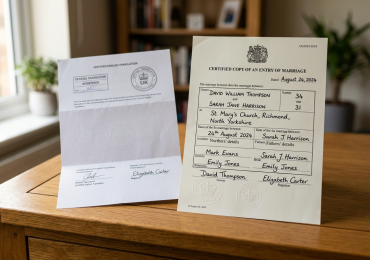
What is Sworn Translation?
Sworn translation, also known as certified translation in some jurisdictions, refers to the process of translating documents by a sworn translator who is authorized to provide a legally recognized translation. In the UK, sworn translators are typically accredited professionals who have taken an oath to provide accurate and faithful translations of documents. This type of translation is crucial when documents are required for official purposes, such as legal proceedings, immigration applications, or academic admissions.
The legal implications of sworn translation in the UK are significant. A sworn translation carries a formal declaration of accuracy and completeness, which is essential for documents that will be submitted to government bodies or courts. For example, when applying for a visa, the Home Office may require that all supporting documents, such as birth certificates or marriage licenses, be translated by a sworn translator. This ensures that the translation is not only linguistically accurate but also legally binding, thereby preventing any potential issues that could arise from misinterpretation of the content.
Additionally, sworn translations must adhere to specific formatting and presentation standards, which may vary depending on the type of document being translated. For instance, legal documents often require a specific layout that reflects the original document’s structure. This attention to detail is critical in maintaining the integrity of the information being presented.
When Do You Need Sworn Translation?
Sworn translation is required in various scenarios, particularly when documents are intended for official use. Here are some common situations where sworn translation is necessary:
- Immigration Applications: Many immigration authorities, including the UK Home Office, require sworn translations for documents such as birth certificates, marriage certificates, and police clearance certificates. This ensures that all information is accurately conveyed in the application process.
- Legal Proceedings: In legal contexts, sworn translations are often needed for contracts, court documents, and witness statements. The accuracy of these translations is vital, as any discrepancies could lead to legal complications.
- Academic Admissions: Universities and colleges may require sworn translations of academic transcripts and diplomas for international students. This is to verify the authenticity and accuracy of the educational qualifications being presented.
- Business Transactions: Companies engaging in international trade may need sworn translations of contracts, agreements, and corporate documents to ensure compliance with local laws and regulations.
Examples of documents that typically require sworn translation include:
- Birth certificates
- Marriage certificates
- Divorce decrees
- Academic transcripts and diplomas
- Legal contracts and agreements
- Police clearance certificates
- Medical records
In summary, any document that holds legal significance or is required for official purposes in the UK may necessitate a sworn translation. It is essential to consult with a professional sworn translator to determine the specific requirements for your documents.
Sworn Translator UK: Qualifications and Role
A sworn translator in the UK is a professional who has been officially recognized and accredited to perform sworn translations. To qualify as a sworn translator, individuals typically must meet several criteria:
- Educational Background: Most sworn translators hold a degree in translation, linguistics, or a related field. This educational foundation equips them with the necessary skills to translate complex documents accurately.
- Professional Accreditation: Sworn translators must be accredited by a relevant professional body, such as the Chartered Institute of Linguists or the Institute of Translation and Interpreting. This accreditation process often involves rigorous testing and evaluation of their translation abilities.
- Experience: Many sworn translators have several years of experience in the field, often specializing in specific areas such as legal, medical, or technical translation. This specialization allows them to navigate the nuances of terminology and context effectively.
The role of sworn translators in the UK legal system is critical. They serve as intermediaries between languages and cultures, ensuring that all parties involved in legal processes understand the content of the documents being presented. Their translations must be precise, as any inaccuracies can lead to misunderstandings or legal repercussions.
Additionally, sworn translators often provide a signed declaration or certificate of accuracy along with their translations. This declaration serves as a formal assurance that the translation is a true and faithful representation of the original document, which is essential for its acceptance in legal contexts.
Sworn Translation vs Certified Translation
While the terms “sworn translation” and “certified translation” are often used interchangeably, there are key differences between the two that are important to understand:
- Legal Status: Sworn translation is a legally recognized process in which the translator is authorized to provide translations that hold legal weight. Certified translation, on the other hand, is a broader term that refers to translations that come with a certification of accuracy but may not necessarily be performed by a sworn translator.
- Scope of Use: Sworn translations are typically required for official documents that need to be submitted to government bodies, courts, or other legal entities. Certified translations may be sufficient for less formal situations, such as personal records or internal company documents.
- Translator Qualifications: Sworn translators must meet specific legal requirements and be accredited by a recognized authority. Certified translators may not have the same legal standing and can vary widely in terms of qualifications and expertise.
When deciding between sworn and certified translation, consider the following:
- Assess the purpose of the translation: If it is for legal, immigration, or official use, a sworn translation is likely necessary.
- Check the requirements of the receiving authority: Different institutions may have specific guidelines regarding the type of translation required.
- Consult with a professional translator: They can provide guidance on which type of translation is appropriate for your specific needs.
In conclusion, understanding the differences between sworn and certified translations is essential for ensuring that your documents are appropriately translated for their intended purpose.
The Sworn Translation Process in the UK
The process of obtaining a sworn translation in the UK involves several steps to ensure that the translation meets legal standards and requirements. Below is a step-by-step guide to navigating this process:
- Identify the Need for Sworn Translation: Determine if your document requires a sworn translation based on its intended use, such as immigration, legal, or academic purposes.
- Find a Qualified Sworn Translator: Research and select a sworn translator with the appropriate qualifications and experience. Look for translators who specialize in the type of document you need translated.
- Request a Quote: Contact the translator to request a quote for their services. Be prepared to provide details about the document, including its length, complexity, and urgency.
- Submit the Document: Once you agree on the terms, submit the original document to the translator. Ensure that the document is clear and legible, as any issues may affect the accuracy of the translation.
- Translation Process: The sworn translator will begin the translation, ensuring that it is accurate and adheres to any specific formatting requirements. They may also conduct research to ensure the correct terminology is used.
- Review and Finalization: After completing the translation, the translator will review the document for accuracy and completeness. They will then prepare a signed declaration of accuracy to accompany the translation.
- Delivery of the Translated Document: The final step involves delivering the sworn translation to you, either electronically or in hard copy, depending on your preference and the requirements of the receiving authority.
The typical timeline for the sworn translation process can vary based on several factors, including the length and complexity of the document and the translator’s availability. Generally, the process can take anywhere from a few days to a couple of weeks. It is advisable to plan ahead and allow sufficient time for the translation, especially if it is needed for an impending deadline.
Choosing the Right Sworn Translator
Selecting the right sworn translator is crucial to ensuring that your documents are accurately translated and legally recognized. Here are some factors to consider when making your choice:
- Accreditation: Verify that the translator is accredited by a recognized professional body, such as the Chartered Institute of Linguists or the Institute of Translation and Interpreting. This accreditation ensures that they meet the necessary standards for sworn translation.
- Experience: Look for translators with experience in the specific type of document you need translated. For example, if you require a legal document translation, choose a translator who specializes in legal translations.
- Client Reviews and Testimonials: Research client feedback and testimonials to gauge the translator’s reliability and quality of work. Positive reviews can provide reassurance of their capabilities.
- Communication: A good translator should be responsive and communicative. They should be willing to discuss your needs and answer any questions you may have about the process.
- Cost: While cost should not be the only factor, it is essential to understand the pricing structure. Request quotes from multiple translators to compare rates and services offered.
When interviewing potential translators, consider asking the following questions:
- What is your experience with sworn translations?
- Can you provide references or examples of previous work?
- What is your turnaround time for translations?
- How do you ensure the accuracy of your translations?
- What is your pricing structure, and are there any additional fees?
By carefully considering these factors and asking the right questions, you can select a sworn translator who meets your needs and ensures that your documents are accurately translated and legally recognized.
Common Myths About Sworn Translation
There are several misconceptions surrounding sworn translation that can lead to confusion. Here are some common myths and the truths that debunk them:
- Myth 1: All translators can provide sworn translations.
Truth: Only translators who are specifically accredited as sworn translators can provide legally recognized sworn translations. It is essential to verify their qualifications. - Myth 2: Sworn translation is the same as notarized translation.
Truth: While both processes involve verification, sworn translation is a specific legal requirement in some cases, whereas notarized translation is a broader term that may not carry the same legal weight. - Myth 3: Sworn translations are always more expensive than certified translations.
Truth: While sworn translations may carry a premium due to their legal status, costs can vary widely based on the document type, length, and translator experience. It is advisable to obtain quotes from multiple providers. - Myth 4: Sworn translations take a long time to complete.
Truth: The timeline for sworn translations can vary, but many translators can complete them within a reasonable timeframe, especially for standard documents.
By understanding these myths and the realities of sworn translation, individuals can make more informed decisions when seeking translation services.
Conclusion: The Importance of Sworn Translation
Sworn translation plays a vital role in ensuring that documents are accurately translated and legally recognized in the UK. It is essential for a variety of official purposes, including immigration applications, legal proceedings, and academic admissions. By understanding what sworn translation entails, when it is needed, and how to choose the right translator, individuals can navigate the complexities of this process with confidence.
In summary, sworn translation is not just a matter of converting text from one language to another; it involves a commitment to accuracy, legal integrity, and professionalism. As globalization continues to connect people and institutions across borders, the demand for sworn translation services will only grow. Ensuring that you have the right documentation in place can make a significant difference in achieving your goals, whether they are personal, professional, or legal.
Frequently Asked Questions
What documents typically require sworn translation in the UK?
Documents that typically require sworn translation include legal documents, birth certificates, marriage certificates, and academic transcripts.
How do I find a qualified sworn translator in the UK?
To find a qualified sworn translator, check their accreditation, ask for recommendations, and verify their experience in your specific document type.
Is sworn translation the same as certified translation?
No, sworn translation is a legal requirement in some cases, while certified translation is a general term for accuracy assurance.
What is the average cost of sworn translation in the UK?
Costs vary based on document type, length, and translator experience; it’s best to request quotes from multiple providers.
How long does the sworn translation process take?
The sworn translation process typically ranges from a few days to a couple of weeks, depending on the complexity and translator availability.