Understanding ILR and Its Importance
Indefinite Leave to Remain (ILR) is a significant immigration status in the United Kingdom that allows individuals to live and work in the country without any time restrictions. It is often considered a stepping stone towards British citizenship. Obtaining ILR is crucial for non-UK nationals who have been residing in the UK for a certain period and wish to settle permanently. This status provides individuals with the right to access public services, work without restrictions, and travel freely in and out of the UK.
The importance of ILR in the UK immigration system cannot be overstated. It not only marks the end of a person’s temporary immigration status but also signifies a commitment to the UK. For many, ILR is the culmination of years spent building a life in the UK, whether through work, study, or family connections. It grants individuals the security and stability needed to plan for the future, including the ability to apply for British citizenship after meeting the residency requirements.
Moreover, ILR plays a vital role in the UK’s immigration policy, as it is designed to attract skilled workers, students, and families who contribute to the economy and society. The process of obtaining ILR involves meeting specific criteria, including residency duration, knowledge of the English language, and passing the Life in the UK test. Understanding the requirements and implications of ILR is essential for anyone considering this path, as it can significantly impact their future in the UK.
Key ILR Translation Requirements in the UK
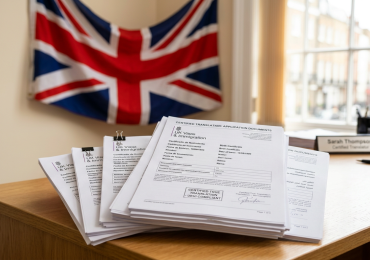
When applying for Indefinite Leave to Remain, one of the critical aspects that applicants must consider is the translation of documents. The UK Home Office mandates that any documents not in English must be translated by a certified translator. This requirement ensures that all submitted documents are accurately understood and assessed during the application process.
The importance of certified translations for ILR applications cannot be overstated. A certified translation is an official translation that comes with a declaration from the translator or translation service, affirming that the translation is a true and accurate representation of the original document. This certification is crucial because the Home Office requires that all documents submitted in support of an ILR application be clear, precise, and professionally translated to avoid any misunderstandings or misinterpretations.
Additionally, applicants should be aware that the translation must include specific details, such as the translator’s qualifications, contact information, and a statement confirming the accuracy of the translation. This level of detail helps ensure that the translation meets the Home Office’s standards and can prevent delays or rejections in the application process. Therefore, understanding and adhering to the ILR translation requirements is essential for a successful application.
Types of Documents Required for ILR Translation
- Birth Certificates: Essential for proving identity and familial relationships.
- Marriage Certificates: Important for applicants who are married and need to demonstrate their marital status.
- Academic Qualifications: Translations of diplomas, degrees, and other educational credentials may be necessary, especially for those applying under specific visa categories.
- Employment Records: Letters from employers confirming employment status and duration can also require translation.
- Police Clearance Certificates: These documents may need to be translated to show that the applicant has no criminal record.
Each of these documents plays a crucial role in the ILR application process. For instance, birth and marriage certificates help establish personal identity and relationships, while academic qualifications and employment records support claims of residency and integration into UK society. It is vital that these documents are accurately translated to ensure they meet the Home Office’s requirements.
Moreover, applicants should prepare to provide additional supporting documents, such as bank statements or utility bills, to demonstrate their residency in the UK. Depending on individual circumstances, the specific requirements may vary, so it is advisable to consult the official guidelines or a professional translation service to ensure all necessary documents are included and properly translated.
10-Year Route ILR Translation Documents
The 10-year route to Indefinite Leave to Remain is a pathway designed for individuals who have lived in the UK for ten continuous years. This route is particularly relevant for those who may have entered the UK on various visas, including student or work visas, and have maintained their lawful status throughout their stay. The 10-year route allows applicants to apply for ILR based on their long-term residency, which can be a more straightforward option for many.
When applying for ILR through the 10-year route, specific translation requirements must be met. Applicants will need to provide translations for various documents that substantiate their residency and immigration history. Key documents may include:
- Visas and Immigration Documents: Any visa documentation that shows the applicant’s immigration status over the ten years.
- Proof of Residency: Documents such as tenancy agreements, utility bills, or bank statements that demonstrate continuous residence in the UK.
- Employment Records: Letters from employers and pay slips that confirm employment history during the residency period.
It is crucial that all documents related to the 10-year route are translated into English by a certified translator. The Home Office will scrutinize these documents to ensure that they meet the necessary criteria for residency. Failure to provide accurate translations can lead to delays or even rejection of the ILR application. Therefore, applicants should ensure that they engage a professional translation service familiar with UK immigration requirements to handle their documents.
Accepted ILR Translation Formats in the UK
- Document Structure: Translations should mirror the original document’s layout as closely as possible, including headings, sections, and any relevant formatting.
- Language: All translations must be in English, and any accompanying documents should be clearly labeled to indicate their original language.
- Certification: Each translated document must include a signed statement from the translator or translation service, affirming the accuracy of the translation. This statement should include the translator’s qualifications and contact information.
Additionally, applicants should ensure that the translations are printed on high-quality paper and are free from any alterations or corrections that could undermine their authenticity. The Home Office requires that all documents be submitted in a professional format, as this reflects the applicant’s attention to detail and seriousness about their application.
Following these guidelines will help ensure that the translated documents are accepted without issues, allowing for a smoother application process. Engaging a professional translation service that understands these requirements can significantly reduce the risk of errors and enhance the overall quality of the submission.
Choosing the Right Translation Service for ILR
- Certification: Ensure that the service provides certified translations, which are necessary for ILR applications. Look for services that have experience in immigration-related translations.
- Expertise: Choose a service with expertise in translating legal and immigration documents. This specialization ensures that they are familiar with the specific terminology and requirements of the ILR application process.
- Turnaround Time: Consider the time frame for translation. ILR applications often have strict deadlines, so it is essential to select a service that can deliver translations promptly.
- Customer Reviews: Research customer feedback and testimonials to gauge the reliability and quality of the translation service. Positive reviews can indicate a track record of successful translations.
- Cost: While cost should not be the only factor, it is essential to find a service that offers competitive pricing without compromising on quality. Request quotes from multiple services to compare options.
Utilizing a professional translation service can provide several benefits, including accuracy, reliability, and peace of mind. These services often have a thorough understanding of the Home Office’s requirements, which can help avoid common pitfalls that may arise during the application process. By investing in a reputable translation service, applicants can enhance their chances of a successful ILR application.
Common Mistakes to Avoid in ILR Document Translation
- Inaccurate Translations: Errors in translation can lead to misunderstandings and misinterpretations of the documents. It is vital to ensure that translations are precise and reflect the original content accurately.
- Missing Documents: Failing to include all necessary documents or translations can result in delays or rejections. Applicants should create a checklist of required documents to ensure nothing is overlooked.
- Improper Formatting: Submitting translations that do not adhere to the required format can lead to complications. Ensure that all translations are presented professionally and meet the Home Office’s guidelines.
- Using Uncertified Translators: Engaging non-certified translators can result in the rejection of documents. Only certified translations are accepted by the Home Office, so it is essential to work with qualified professionals.
To ensure accuracy and compliance with ILR requirements, applicants should consider working closely with a professional translation service that specializes in immigration documentation. These experts can help navigate the complexities of the translation process and provide guidance on best practices to avoid common pitfalls.
The Process of Translating Documents for ILR
- Identify Required Documents: Begin by reviewing the Home Office guidelines to determine which documents require translation. Make a list of all necessary documents to ensure nothing is missed.
- Choose a Professional Translation Service: Research and select a certified translation service with expertise in immigration-related translations. Verify their credentials and experience before proceeding.
- Submit Documents for Translation: Provide the translation service with the original documents that need to be translated. Ensure that all documents are clear and legible.
- Review Translations: Once the translations are completed, review them for accuracy and completeness. Check that all required certification details are included.
- Compile Application Package: Gather all translated documents along with any additional supporting documents required for the ILR application. Ensure everything is organized and ready for submission.
- Submit Application: Follow the Home Office’s guidelines for submitting the ILR application, including any fees and forms required. Ensure that all translated documents are included in the submission.
The timeline for document translation can vary depending on the service chosen and the number of documents being translated. It is advisable to allow ample time for translations to be completed, as well as for any potential revisions. Costs associated with document translation may also vary, so it is essential to request quotes from multiple services to find a suitable option.
Conclusion: Ensuring a Smooth ILR Application Process
Frequently Asked Questions
What are the ILR translation requirements in the UK?
Translations must be certified; documents must be in English or accompanied by a certified translation.
What types of documents need to be translated for ILR?
Birth certificates, marriage certificates, and academic qualifications are among the documents that typically need translation for ILR.
How can I ensure my ILR translations are accepted?
Use a professional translation service and follow UKVI guidelines for document formatting to ensure acceptance.
What is the 10-year route for ILR?
The 10-year route is a pathway for individuals who have lived in the UK for 10 years, with specific document requirements for this route.
What common mistakes should I avoid in ILR document translation?
Common mistakes include inaccurate translations, missing documents, and improper formatting.