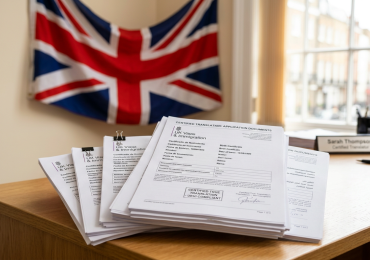
Understanding British Citizenship Translation Requirements
Applying for British citizenship is a significant step for many individuals, often involving a complex array of requirements and documentation. One crucial aspect of this process is the translation of documents into English, particularly for applicants whose original documents are in another language. The UK Home Office mandates that all documents submitted as part of a citizenship application must be in English or accompanied by a certified translation. This requirement ensures that the information is accessible and comprehensible to officials reviewing the applications.
Accurate document translation is vital not only for compliance with legal requirements but also for the overall success of the application. Misinterpretations or errors in translation can lead to delays, additional requests for information, or even outright rejection of the application. Therefore, understanding the specific translation requirements is essential for applicants. This includes knowing which documents need translation, the standards for certified translations, and the implications of submitting improperly translated documents.
Moreover, the translation process should be approached with care and diligence. It is advisable to work with professional translation services that specialize in legal and immigration documents. These services are familiar with the nuances of legal terminology and the specific requirements set forth by the Home Office. By ensuring that translations are accurate and compliant, applicants can significantly improve their chances of a smooth application process.
Key Documents Requiring Translation for Citizenship
When applying for British citizenship, several key documents typically require translation. Understanding which documents need to be translated is essential for a successful application. Here’s a list of essential documents that often require translation:
- Birth Certificates: Birth certificates are fundamental documents that prove the applicant’s identity and nationality. If the original is not in English, a certified translation is necessary.
- Marriage Certificates: For applicants who are married, the marriage certificate must be translated if it is in a foreign language. This document is crucial for establishing marital status, which can affect the citizenship application.
- Divorce Certificates: If applicable, divorce certificates need to be translated to provide evidence of marital history.
- Police Certificates: These documents are required to demonstrate the applicant’s criminal record status. If issued in a foreign language, they must be translated.
- Educational Qualifications: Transcripts and diplomas from foreign institutions may need translation to validate educational claims.
- Proof of Residence: Documents such as utility bills or lease agreements that are not in English must be translated to prove residency in the UK.
In addition to these documents, any legal documents, such as adoption papers or name change certificates, must also be translated if they are not in English. It is crucial to ensure that all documents submitted are complete and accurately reflect the information required by the Home Office. Failing to provide translations for required documents can lead to delays or complications in the application process.
Naturalisation Document Translation in the UK
Naturalisation is the process through which a non-British citizen can acquire British citizenship. This process requires the submission of various documents, many of which must be translated into English. The Home Office has specific guidelines regarding the translation of naturalisation documents to ensure that they meet legal standards.
To ensure that your documents meet Home Office standards, consider the following:
- Use Certified Translators: The Home Office requires that translations be completed by certified translators. This means that the translator must be qualified and experienced, often holding accreditation from recognized bodies.
- Include a Certification Statement: Each translated document should include a certification statement from the translator. This statement typically confirms that the translation is accurate and complete, and it should include the translator’s qualifications and contact information.
- Adhere to Formatting Standards: Translations should closely match the original document in terms of formatting. This includes maintaining the layout, headings, and any official stamps or seals.
By following these guidelines, applicants can ensure that their naturalisation documents are properly translated and compliant with Home Office requirements. This not only facilitates the processing of the application but also enhances the credibility of the submitted information.
How to Translate Documents for Citizenship Applications
Translating documents for a citizenship application involves several important steps. Here’s a structured approach to ensure that your translations meet the necessary requirements:
- Identify Required Documents: Begin by listing all documents that need to be translated. Refer to the Home Office guidelines to ensure completeness.
- Choose a Certified Translator: Select a translator who specializes in legal and immigration translations. Look for credentials such as accreditation from professional bodies like the Institute of Translation and Interpreting (ITI) or the Association of Translation Companies (ATC).
- Request a Quote: Contact the translator or translation service to obtain a quote. Ensure that the quote includes details about turnaround time, costs, and any additional services.
- Provide Original Documents: Submit clear copies of the original documents to the translator. If possible, provide any context that may assist in the translation process.
- Review the Translation: Once the translation is complete, review it for accuracy. If necessary, consult with the translator to clarify any terms or phrases that may be ambiguous.
- Obtain Certification: Ensure that the translator provides a certification statement with the translated documents, confirming their accuracy and completeness.
- Submit Translations with Application: Include the translated documents with your citizenship application. Ensure that they are organized and clearly labeled to facilitate the review process.
Choosing a certified translator is particularly important, as the Home Office expects translations to be of high quality and accuracy. A qualified translator will not only ensure that the translation is correct but also that it adheres to the specific requirements set by the Home Office.
Common Challenges in Document Translation
Document translation for citizenship applications can present several challenges. Understanding these challenges can help applicants prepare better and avoid potential pitfalls:
- Language Barriers: Different languages have unique structures, idioms, and cultural nuances that can complicate translation. A direct translation may not always convey the intended meaning, leading to misunderstandings.
- Legal Terminology: Legal documents often contain specialized terminology that may not have direct equivalents in other languages. Translators must have a strong grasp of legal concepts in both the source and target languages to ensure accuracy.
- Varied Document Formats: Documents may vary in format and structure, which can pose challenges in maintaining consistency during translation. It is crucial to ensure that the translated document mirrors the original in layout and formatting.
- Quality Assurance: Ensuring the quality of translations is essential. Inadequate proofreading or lack of a second opinion can result in errors that could jeopardize the application process.
To mitigate these challenges, applicants should work closely with experienced translators who are familiar with the specific requirements of the Home Office. Additionally, maintaining open communication with the translator can help clarify any uncertainties and ensure that the final product meets all necessary standards.
Home Office Citizenship Translation Guidelines
The Home Office has established clear guidelines regarding the translation of documents for citizenship applications. Understanding these guidelines is crucial for applicants to ensure compliance and avoid complications:
- Certified Translations Required: All translations must be certified. This means that the translator must provide a signed statement confirming the accuracy of the translation.
- Qualifications of Translators: The Home Office recommends using translators who are members of professional organizations, ensuring that they have the necessary skills and qualifications.
- Format and Presentation: Translations should be presented in a clear and professional manner. This includes using a readable font, maintaining proper formatting, and ensuring that all pages are numbered.
- Submission with Application: Translated documents should be submitted alongside the original documents as part of the application package. It is essential to keep copies of both the original and translated documents for personal records.
Failure to comply with these guidelines can result in delays or rejection of the application. Therefore, it is imperative for applicants to familiarize themselves with the Home Office requirements and ensure that their translations are completed accordingly.
British Citizenship Supporting Documents Translation
Supporting documents play a crucial role in the citizenship application process. These documents provide additional evidence to support the claims made in the application and must be accurately translated if they are not in English. Common supporting documents include:
- Proof of Residency: Documents such as utility bills, bank statements, or rental agreements that demonstrate the applicant’s residency in the UK.
- Employment Records: Letters from employers or pay slips that confirm employment status and duration.
- Financial Statements: Bank statements or financial documents that provide evidence of financial stability.
Best practices for translating supporting documents include:
- Ensure Completeness: All pages of supporting documents should be translated, including any notes or annotations.
- Maintain Consistency: Use consistent terminology throughout the translations to avoid confusion.
- Check for Accuracy: Have the translations reviewed by a second translator or a professional service to ensure accuracy and compliance with Home Office standards.
By following these best practices, applicants can enhance the credibility of their supporting documents and improve their chances of a successful citizenship application.
Tips for a Successful Citizenship Application
Submitting a citizenship application can be a daunting process, but there are several tips that can help ensure success:
- Double-Check Requirements: Before submitting your application, carefully review the Home Office guidelines to ensure that you have included all necessary documents and translations.
- Organize Your Application: Present your application in a clear and organized manner. Use dividers or labels to separate different sections and documents.
- Keep Copies: Always keep copies of all documents submitted, including translations. This will be helpful in case of any queries or if documents are lost.
- Be Prepared for Additional Requests: The Home Office may request further information or documentation. Be ready to respond promptly to any such requests.
- Avoid Common Pitfalls: Common mistakes include submitting incomplete applications, failing to provide translations for all required documents, or not using certified translators. Being aware of these pitfalls can help you avoid them.
By following these tips, applicants can navigate the citizenship application process with greater confidence and clarity, ultimately increasing their chances of a successful outcome.
Frequently Asked Questions about Document Translation
What documents need to be translated for British citizenship?
Documents that need translation include birth certificates, marriage certificates, and any legal documents not in English. It is essential to ensure that all relevant documents are translated to meet Home Office requirements.
How do I choose a certified translator for my application?
Look for translators accredited by recognized bodies, and check reviews and past work. A certified translator should have experience in legal and immigration document translations to ensure compliance with Home Office standards.
What happens if my documents are not translated correctly?
If documents are not translated correctly, it may delay your application or lead to rejection. Accuracy is crucial, as the Home Office relies on the information provided in the translations to make decisions.
Are there specific translation services recommended for citizenship applications?
It is advisable to use services that specialize in legal and immigration document translations. These services are familiar with the Home Office requirements and can ensure that your translations are compliant.
How long does it take to translate documents for citizenship?
The time it takes to translate documents for citizenship depends on the number of documents. Typically, allow a few days to a week for the translation process, depending on the service provider’s workload.