Understanding UKVI Translation Requirements
The UK Visas and Immigration (UKVI) department has specific requirements for document translations that are crucial for applicants seeking visas, residency, or citizenship. Understanding these rules is essential to ensure that your application is processed smoothly. UKVI mandates that all documents not in English must be translated accurately and certified by a qualified professional. This requirement is in place to maintain the integrity of the application process and to ensure that all information is clearly understood by immigration officials.
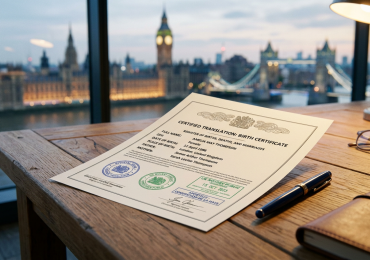
Certified translations must include a statement from the translator or translation company confirming that the translation is accurate and complete. This statement should also include the translator’s qualifications, contact information, and the date of the translation. The importance of certified translations cannot be overstated; an unqualified translation can lead to delays, misunderstandings, or even rejection of your application.
In addition to certification, UKVI requires that the translation be clear and legible, with all relevant details accurately reflected. For instance, personal names, dates, and official titles must be translated precisely to avoid any discrepancies. Failure to adhere to these guidelines can result in significant setbacks, including requests for additional documentation or outright rejection of the application.
Moreover, applicants should be aware that UKVI may also require original documents alongside translations. This means that a photocopy of the original document, along with its certified translation, must be submitted. Understanding these requirements is the first step in successfully navigating the UKVI translation process.
Can I Translate My Own Documents for UKVI?
While it is technically possible to translate your own documents for UKVI, it is not recommended. The UKVI has strict eligibility criteria for translations, and self-translations often do not meet these standards. One of the primary concerns is the lack of impartiality; translations done by the applicant may be viewed as biased or lacking in credibility. This can lead to complications in the application process.
When considering self-translation, it is essential to understand the risks involved. UKVI may reject a self-translated document because it does not come from a recognized professional. This rejection can cause delays in your application and may require you to seek certified translations at an additional cost and time. Furthermore, if your application is delayed or rejected due to translation issues, it could affect your immigration status or future applications.
To illustrate, consider a scenario where an applicant translates their birth certificate. If the translation omits critical information or misinterprets dates, UKVI may question the validity of the document. This could result in a request for further verification, which can be time-consuming and stressful. Therefore, while you can technically translate your own documents, it is advisable to seek professional translation services that specialize in UKVI requirements.
Who Can Certify a Translation in the UK?
Certification is a crucial aspect of the translation process for UKVI. Only certain professionals are authorized to certify translations, ensuring that the translations meet the required standards. The following individuals can certify translations in the UK:
- Certified Translators: These are professionals who have undergone specific training and have been accredited by recognized bodies. They are familiar with the nuances of legal and immigration terminology.
- Solicitors: Solicitors can certify translations as part of their legal services. Their certification adds an extra layer of credibility due to their legal background.
- Notaries: Notaries public can also certify translations. Their role involves verifying the authenticity of documents, making their certification highly regarded.
The importance of certification cannot be overstated. A certified translation provides assurance to UKVI that the document has been accurately translated and meets all necessary guidelines. This certification must be accompanied by a statement detailing the qualifications of the translator, as well as their contact information. Without proper certification, your application may face delays or rejections, underscoring the need to engage qualified professionals for document translation.
Can a Family Member Translate Documents for UKVI?
UKVI guidelines specify that family members can translate documents; however, this practice is fraught with potential issues. While it may seem convenient and cost-effective to have a family member handle translations, there are significant risks involved. The primary concern is the perceived lack of objectivity. UKVI may question the reliability of a translation performed by someone with personal ties to the applicant.
Furthermore, family members may not possess the necessary qualifications or expertise in legal terminology, which can lead to inaccuracies in the translation. For example, a family member translating a marriage certificate might not fully understand the legal implications of certain phrases, potentially resulting in a translation that does not meet UKVI standards.
Moreover, if a family member’s translation is rejected, the applicant may face additional delays in their application process. UKVI may require a certified translation, forcing the applicant to seek professional services at a later stage, which could incur extra costs and time. Therefore, while family members can technically translate documents, it is advisable to opt for certified professionals to ensure compliance with UKVI requirements.
Common UKVI Translation Rules You Should Know
Understanding the common rules governing translations for UKVI is essential for a successful application. Here are key rules that applicants must adhere to:
- Accuracy: Translations must be a true and accurate representation of the original document. Any discrepancies can lead to rejection.
- Completeness: All parts of the document must be translated, including any stamps, signatures, or annotations. Incomplete translations are not acceptable.
- Certification: Translations must be certified by a qualified professional. This certification should include the translator’s qualifications and contact information.
- Legibility: The translation must be clear and legible. Poorly presented translations may be rejected due to lack of clarity.
Examples of acceptable translations include those that accurately reflect the original document’s content and are certified by recognized professionals. Conversely, unacceptable translations might include self-translations, incomplete documents, or those lacking proper certification. Adhering to these rules is crucial for ensuring that your application is processed without unnecessary delays.
What to Do If Your UKVI Translation is Rejected
Receiving a rejection for your UKVI translation can be disheartening, but it is essential to take proactive steps to resolve the issue. Here’s what you should do:
- Review the Rejection Reasons: Carefully examine the feedback provided by UKVI regarding the rejection. Understanding the specific reasons will help you address the issues effectively.
- Consult a Professional Translator: Engage with a certified translator who specializes in UKVI requirements. They can help you understand the necessary adjustments and ensure compliance.
- Resubmit the Translation: Once the translation has been revised and certified, resubmit it along with your application. Ensure that all required documents are included to avoid further complications.
Additionally, it may be beneficial to maintain clear communication with UKVI throughout the process. If you have questions or need clarification, do not hesitate to reach out to them. This proactive approach can help facilitate a smoother resolution and increase the chances of a successful application.
Best Practices for Document Translation for UKVI
To ensure that your document translations meet UKVI requirements, consider the following best practices:
- Engage Certified Translators: Always work with translators who are certified and experienced in handling UKVI documents. Their expertise will ensure accuracy and compliance.
- Provide Original Documents: When submitting translations, always include the original documents. This helps to verify the authenticity of the translations.
- Double-Check Translations: Review the translations for accuracy and completeness before submission. Even minor errors can lead to significant issues.
- Stay Informed: Keep up to date with any changes in UKVI translation requirements. Regulations may evolve, and being informed will help you avoid pitfalls.
Furthermore, resources for finding certified translators include professional translation associations and directories. Websites like the Institute of Translation and Interpreting (ITI) can be valuable in locating qualified professionals. By following these best practices, you can enhance the likelihood of a successful application.
Conclusion: Navigating UKVI Document Translation
Successfully navigating the UKVI document translation process requires a clear understanding of the rules and best practices. While it may be tempting to translate documents yourself or rely on family members, the risks associated with these approaches can lead to complications in your application. Engaging certified professionals ensures that translations are accurate, complete, and compliant with UKVI standards.
To summarize, always prioritize certified translations, adhere to UKVI guidelines, and seek professional assistance when necessary. By doing so, you can significantly reduce the likelihood of delays or rejections, paving the way for a smoother immigration process. Remember, the quality of your translations can directly impact the outcome of your application, so invest the time and resources needed to get it right.
Frequently Asked Questions
Can I translate my own documents for UKVI?
Yes, but it is not recommended due to strict requirements.
Who can certify a translation in the UK?
Certified translators, solicitors, and notaries can certify translations.
Can a family member translate documents for UKVI?
Family members can translate, but it may not be accepted by UKVI.
What are the UKVI translation rules?
Translations must be accurate, complete, and certified by a qualified professional.
What should I do if my UKVI translation is rejected?
Review the rejection reasons, consult a professional translator, and resubmit.