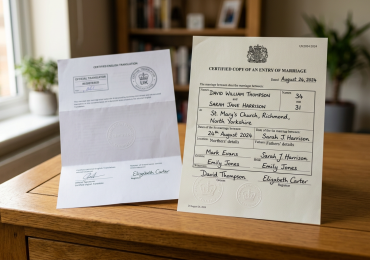
Understanding Certified Translation for UK Visa
Certified translation is a specialized service that involves translating documents from one language to another while ensuring that the translation is accurate and meets specific legal standards. For individuals applying for a UK visa, certified translation is crucial as it verifies that the translated documents are true and complete representations of the original texts. This is particularly important for immigration processes, where any discrepancies or inaccuracies in documentation can lead to delays or even rejection of visa applications.
The UK Visa and Immigration (UKVI) department requires certified translations for various documents, including birth certificates, marriage certificates, academic transcripts, and legal documents. A certified translation must come from a qualified translator or a translation agency that can provide a signed statement confirming the accuracy of the translation. This certification serves as a guarantee to the UKVI that the information provided is reliable and meets the necessary standards for processing visa applications.
Moreover, the importance of certified translation extends beyond mere compliance with immigration regulations. It also enhances the applicant’s credibility. Submitting well-translated documents reflects professionalism and attention to detail, which can positively influence the decision-making process of immigration officials. Therefore, understanding what constitutes a certified translation and its significance in the context of UK visa applications is essential for anyone navigating the immigration process.
UKVI Translation Requirements
The UKVI has specific requirements for documents that must be translated for visa applications. These requirements ensure that all submitted documents are understandable and can be accurately assessed by immigration officials. The following documents typically require certified translation:
- Birth Certificates: Essential for proving identity and age.
- Marriage Certificates: Required for applicants who are married and need to provide proof of their marital status.
- Academic Transcripts: Necessary for students applying for educational visas.
- Legal Documents: Such as court orders or adoption papers, which may be required in specific circumstances.
- Employment Letters: To verify employment status or job offers in the UK.
In addition to identifying which documents need translation, the UKVI has set forth specific guidelines for the translation process itself. Translations must be:
- Accurate: The translated document must reflect the original document’s content without omissions or alterations.
- Complete: All pages of the original document must be translated, including any official stamps or signatures.
- Certified: The translation must be accompanied by a signed statement from the translator or translation agency confirming their qualifications and the accuracy of the translation.
Failure to adhere to these requirements can result in delays or rejection of the visa application. Therefore, it is advisable to engage a professional translation service that specializes in immigration-related translations to ensure compliance with UKVI standards.
Home Office Certified Translation
Home Office certified translation refers to translations that meet the specific requirements set by the UK Home Office, which oversees immigration and visa applications. This type of certification is essential for documents submitted as part of the visa application process. It differs from standard certified translation in several key ways.
Firstly, Home Office certified translations must be completed by translators who are recognized by the Home Office or who have demonstrated their qualifications and expertise in immigration-related translations. This recognition ensures that the translator understands the nuances and specific terminology required for immigration documents, which can vary significantly from general translation work.
Secondly, Home Office certified translations often require additional documentation, such as a detailed translator’s declaration, which outlines the translator’s credentials and confirms that the translation is a true and accurate representation of the original document. This declaration is critical for the Home Office’s review process and adds an extra layer of credibility to the submission.
Lastly, Home Office certified translations may also have specific formatting requirements. For instance, the translated document should closely resemble the layout of the original document, including any official seals or signatures. This attention to detail can make a significant difference in how the application is perceived by immigration officials.
In summary, while all certified translations are designed to ensure accuracy and reliability, Home Office certified translations are tailored specifically for immigration purposes, requiring adherence to additional standards and guidelines set by the UK Home Office.
Visa Application Translation UK
When applying for a UK visa, various types of documents may need to be translated. Understanding which documents require translation and how to effectively manage the translation process is vital for a successful application. Common documents that typically require translation include:
- Personal Identification Documents: Such as passports and national ID cards.
- Academic Qualifications: Diplomas and certificates from educational institutions.
- Financial Documents: Bank statements and pay slips to prove financial stability.
- Medical Records: If applicable, to demonstrate health status or medical history.
However, applicants often encounter pitfalls during the translation process. Common issues include:
- Inaccurate Translations: Errors in translation can lead to misunderstandings and may jeopardize the application.
- Incomplete Documentation: Failing to translate all required sections of a document can result in delays.
- Non-compliance with UKVI Standards: Submitting translations that do not meet the specific requirements set by UKVI can lead to rejection.
To avoid these pitfalls, applicants should work with certified translation services that have experience in immigration translations. These professionals are familiar with the common requirements and can ensure that all documents are accurately translated and properly certified, minimizing the risk of complications during the visa application process.
UK Visa Translation Rules
Adhering to the UK visa translation rules is essential for ensuring that your application is processed smoothly. Key rules to follow include:
- Accuracy: Translations must accurately reflect the original text without any alterations or omissions.
- Completeness: Every part of the original document must be translated, including any annotations or official seals.
- Certification: Each translation must be accompanied by a certification statement from the translator or translation agency.
- Language Proficiency: The translator must be fluent in both the source and target languages, with a strong understanding of the relevant terminology.
Consequences of non-compliance with these rules can be severe. Applications may be delayed while additional information is requested, or they may be outright rejected if the documentation is deemed insufficient. This can lead to significant stress and uncertainty for applicants, particularly if they are on a tight timeline for their visa application.
To mitigate these risks, applicants should ensure that they engage a reputable translation service that specializes in UK visa translations. Such services are well-versed in the specific requirements and can help navigate the complexities of the translation process.
Choosing a Certified Translation Service
Selecting the right certified translation service is a crucial step in the visa application process. Here are some factors to consider when making your choice:
- Accreditation: Ensure the translation service is accredited by recognized bodies, which indicates a level of professionalism and quality.
- Experience: Look for services that have a proven track record in immigration translations, as they will be familiar with UKVI requirements.
- Client Reviews: Read testimonials and reviews from previous clients to gauge the quality of service and customer satisfaction.
- Turnaround Time: Consider the service’s ability to meet deadlines, especially if you have a tight timeline for your visa application.
- Cost Transparency: Choose a service that provides clear pricing without hidden fees, allowing you to budget effectively.
Using a certified translation service for immigration purposes offers several benefits. It ensures that your documents are accurately translated and certified, reducing the risk of delays or rejections. Additionally, professional translators can provide insights into specific terminology and formatting requirements, further enhancing the quality of your application.
Case Studies: Successful Visa Applications
Real-life examples of successful visa applications highlight the importance of certified translation in the immigration process. Consider the case of Maria, a student from Spain applying for a Tier 4 student visa. Maria needed to submit her academic transcripts and a letter of acceptance from her university. By working with a certified translation service, she ensured that her documents were accurately translated and certified according to UKVI standards. As a result, her application was processed swiftly, and she received her visa without any issues.
Another example is John, a professional seeking a work visa. He needed to provide his marriage certificate and employment letters. Unfortunately, John initially attempted to use a non-certified translation service, which resulted in his application being delayed. After switching to a certified service, his documents were correctly translated, and he was able to successfully secure his visa.
These case studies illustrate the critical role that certified translation plays in the visa application process. They emphasize the need for accuracy, completeness, and adherence to UKVI standards to avoid complications and ensure a smooth application experience.
Frequently Asked Questions
What is a certified translation for UK visa?
A certified translation is an official translation that meets UKVI standards, ensuring that all documents are accurately and completely translated for immigration purposes.
What documents need certified translation for a UK visa?
Documents such as birth certificates, marriage certificates, academic transcripts, and legal documents typically require certified translation for a UK visa application.
How do I find a certified translation service?
Look for accredited services with experience in immigration translations, ensuring they can provide certified translations that meet UKVI requirements.
What are the consequences of not providing certified translations?
Your visa application may be delayed or rejected if you fail to provide certified translations that comply with UKVI standards.
Are there specific rules for translating documents for UK visas?
Yes, translations must be accurate, complete, and certified by a qualified translator to meet the requirements set by UKVI.