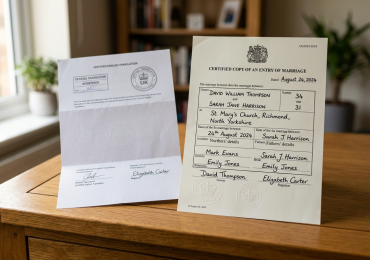
Understanding Certified Translation
A certified translation is an official translation that is accompanied by a signed statement from the translator or translation agency, confirming its accuracy and completeness. This type of translation is crucial in various legal and official contexts, where the integrity of the translated document must be guaranteed. The importance of certified translation cannot be overstated, as it serves as a key requirement for many institutions, including government bodies, educational institutions, and legal entities.
Certified translations are often required for documents such as birth certificates, marriage certificates, academic transcripts, and immigration papers. These documents must be presented in a format that is both accurate and legally acceptable. A certified translation ensures that the translated document is not only linguistically accurate but also culturally appropriate, maintaining the original meaning and intent.
Moreover, certified translations are vital in legal proceedings, where any discrepancies in translation could lead to misunderstandings or even legal repercussions. For instance, in immigration cases, a certified translation of documents can significantly impact an individual’s ability to obtain a visa or residency. Therefore, understanding what constitutes a certified translation and its importance is essential for anyone needing to present official documents in a foreign language.
Certified Translation Meaning and Definition in the UK
In the UK, a certified translation is defined as a translation that is accompanied by a declaration from the translator or translation agency attesting to its accuracy. This declaration typically includes the translator’s qualifications and the statement that the translation is a true and accurate representation of the original document. What makes a translation certified is not only the declaration but also the qualifications of the translator. Certified translators are often members of professional organizations, such as the Chartered Institute of Linguists (CIOL), which ensures they meet specific standards of proficiency and ethics.
Legal implications of certified translations in the UK are significant. For example, many government agencies, including the UK Home Office, require certified translations for immigration applications. The absence of a certified translation can result in delays or outright rejections of applications. Furthermore, courts may require certified translations for legal documents presented as evidence. This underscores the necessity of engaging a qualified translator who understands the legal requirements surrounding certified translations in the UK.
Additionally, certified translations must adhere to specific formatting and presentation standards. This includes using official letterhead for the translation agency, providing the translator’s contact information, and ensuring that the translation is complete and unaltered. These elements contribute to the document’s legitimacy and acceptance by authorities.
When Do You Need a Certified Translation?
There are several common scenarios where certified translations are required. One of the primary instances is during immigration processes. For individuals applying for visas or residency, government agencies often mandate that all supporting documents, such as birth certificates, marriage certificates, and academic records, be translated into English by a certified translator. This requirement ensures that the information is accurately represented and can be verified by the authorities.
Another scenario involves academic institutions. When students apply for admission to universities in the UK, they may need to submit their academic transcripts and diplomas in English. These documents must be certified to ensure that they are authentic and accurately reflect the student’s academic history. Failure to provide certified translations can lead to application delays or denials.
Legal proceedings also frequently require certified translations. For example, if a non-English speaking individual is involved in a court case, any relevant documents must be translated and certified to ensure that all parties understand the information being presented. This is crucial for maintaining fairness and transparency in legal processes.
Examples of documents that typically require certification include:
- Birth certificates
- Marriage certificates
- Divorce decrees
- Academic transcripts and diplomas
- Immigration paperwork
- Legal contracts and agreements
In summary, certified translations are essential in various contexts, ensuring that documents are accurately represented and legally acceptable.
Certified Translation Requirements in the UK
To ensure the integrity and accuracy of certified translations, specific requirements must be met in the UK. Firstly, a certified translation must be completed by a qualified translator, someone who possesses the necessary linguistic skills and qualifications. Many certified translators hold professional accreditations from recognized bodies, such as the CIOL or the Institute of Translation and Interpreting (ITI), which signifies their expertise and commitment to high standards.
Additionally, the translation must include a declaration of accuracy. This declaration should state that the translator is fluent in both the source and target languages and that the translation is a true and faithful representation of the original document. It is also essential that the translator provides their contact information and any relevant qualifications to establish credibility.
Standards and regulations governing certified translations in the UK are designed to protect both the translator and the client. For instance, the translator must ensure that the translation is complete and that no information has been omitted or altered. This is particularly important in legal and immigration contexts, where even minor discrepancies can lead to significant consequences.
Furthermore, certified translations must adhere to specific formatting guidelines. This includes presenting the translation on official letterhead if done by a translation agency, ensuring that it is clearly legible, and maintaining the original document’s structure where applicable. These requirements help to enhance the document’s legitimacy and acceptance by authorities.
The Process of Obtaining a Certified Translation
The process of obtaining a certified translation typically involves several key steps. First, individuals or organizations must identify the documents that require translation and determine the language pair involved. Once this is established, the next step is to select a qualified translation service provider who specializes in certified translations.
After selecting a service, clients usually need to submit the original documents, either in physical or digital format, to the translation provider. It is crucial to provide clear and complete documents to avoid any misunderstandings during the translation process. The translation service will then assign a qualified translator to the project, who will begin the translation while ensuring that all necessary standards and requirements are met.
Once the translation is completed, the translator will prepare the certification statement, which includes their declaration of accuracy, contact information, and qualifications. The completed certified translation is then returned to the client, often along with the original document for reference.
Timeframes for obtaining a certified translation can vary based on the complexity of the documents and the workload of the translation service. Generally, clients can expect a turnaround time ranging from a few days to a couple of weeks. It is advisable to check with the translation service for specific timelines, especially if the translation is needed urgently.
Costs associated with certified translations can also vary widely, depending on factors such as the language pair, document type, and urgency. It is recommended to request quotes from multiple providers to ensure competitive pricing. Many translation services offer transparent pricing structures, allowing clients to understand the costs involved upfront.
Choosing the Right Certified Translation Service
Selecting the right certified translation service is crucial for ensuring that your documents are accurately translated and accepted by the relevant authorities. When evaluating potential providers, there are several key factors to consider. Firstly, check for accreditation and qualifications. A reputable translation service should employ certified translators who have the necessary credentials and experience in the specific field related to your documents.
Another important aspect is to review the service’s track record and client testimonials. Positive reviews and case studies can provide insights into the quality of service and customer satisfaction. Additionally, inquire about the translation process, including how they ensure accuracy and confidentiality, as well as their approach to quality assurance.
It is also beneficial to ask about turnaround times and pricing structures. A reliable service should be transparent about their costs and provide estimates based on the specific requirements of your project. Furthermore, consider whether the service offers additional support, such as assistance with document formatting or guidance on submission requirements for specific authorities.
Ultimately, choosing the right certified translation service involves thorough research and consideration of your specific needs. Engaging a provider that meets your requirements will help ensure that your certified translations are accurate, timely, and accepted by the relevant institutions.
Common Myths About Certified Translations
There are several misconceptions surrounding certified translations that can lead to confusion for individuals seeking these services. One common myth is that any translation can be considered certified if it is simply stamped or signed by a translator. In reality, a translation is only certified when it includes a formal declaration of accuracy from a qualified translator or agency, confirming that the translation is a true representation of the original document.
Another misconception is that certified translations are only necessary for legal documents. While legal documents are a significant category requiring certification, many other types of documents, such as academic transcripts and immigration papers, also necessitate certified translations. It is essential to understand the specific requirements of the institutions or authorities involved to determine whether certification is needed.
Additionally, some individuals believe that certified translations are always more expensive than non-certified translations. While certified translations may incur additional costs due to the qualifications and expertise required, the price can vary widely based on factors such as the document type and language pair. It is advisable to compare quotes from different providers to find a service that meets your budget and needs.
Lastly, there is a belief that certified translations cannot be edited or modified once completed. However, if there are errors or omissions in a certified translation, clients can request corrections, provided they are made by the same certified translator. This ensures that the integrity and certification of the document are maintained.
Conclusion
In summary, certified translations play a vital role in ensuring that official documents are accurately represented and legally accepted. Understanding the definition, requirements, and processes involved in obtaining a certified translation is essential for anyone needing to present documents in a foreign language. Whether for immigration, academic, or legal purposes, engaging a qualified translation service can help navigate the complexities of certified translations.
As you consider your options, remember to research potential translation providers thoroughly, focusing on their qualifications, track record, and client feedback. By choosing a reputable certified translation service, you can ensure that your documents are handled with the utmost care and professionalism, ultimately facilitating smoother interactions with authorities and institutions.
Frequently Asked Questions
What is a certified translation?
A certified translation is an official translation that is accompanied by a signed statement from the translator confirming its accuracy.
When do you need a certified translation?
You need a certified translation for legal documents, immigration papers, academic transcripts, and other official documents.
What are the requirements for a certified translation in the UK?
In the UK, a certified translation must be done by a qualified translator and include a declaration of accuracy.
What makes a translation certified?
A translation is certified when it is signed by a translator or translation agency attesting to its accuracy and completeness.
How can I find a certified translation service?
Look for translation services with accreditation, positive reviews, and experience in your specific document type.