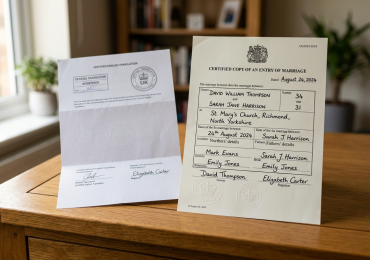
Understanding Certified Translation for NHS Registration
Certified translation plays a crucial role in the healthcare system, particularly for individuals seeking registration with the National Health Service (NHS) in the UK. A certified translation is a translation that meets specific legal requirements, ensuring that the translated documents are accurate, complete, and acceptable for official purposes. This type of translation is essential for non-English speakers or those who possess documents in foreign languages, as the NHS requires all documentation to be in English to facilitate proper processing and understanding.
The importance of certified translation for NHS registration cannot be overstated. When individuals apply for NHS services, they must submit various documents, including medical records, identification, and proof of residency. If these documents are not in English, they must be translated by a certified translator to ensure compliance with NHS translation requirements. This process helps to eliminate misunderstandings that could arise from inaccurate translations, ultimately affecting patient care and access to healthcare services.
Moreover, certified translations provide a level of assurance that the documents have been translated by a qualified professional who adheres to industry standards. This is particularly important in the healthcare sector, where the accuracy of medical information can have significant implications for treatment and patient outcomes. Inaccurate translations can lead to misdiagnoses, inappropriate treatments, and legal complications, making certified translation a vital component of the NHS registration process.
In summary, certified translation is not merely a formality; it is a necessary step for anyone looking to register with the NHS. It ensures that all relevant documents are accurately translated and legally recognized, paving the way for effective communication between healthcare providers and patients.
NHS Registration Document Translation Requirements
When registering with the NHS, individuals must provide a variety of documents, each potentially requiring translation. The most common types of documents that require certified translation include:
- Medical Certificates: These documents provide essential information about a patient’s medical history and current health status.
- Identification Documents: Passports, national ID cards, and other forms of identification must be translated to verify the individual’s identity.
- Proof of Residency: Documents that confirm an individual’s address, such as utility bills or rental agreements, are also necessary for NHS registration.
Each of these documents must meet specific translation requirements. For instance, translations must be done by a qualified translator who is fluent in both the source and target languages. Additionally, the translation must include a signed statement from the translator, affirming that the translation is accurate and complete. This statement often includes the translator’s qualifications, contact information, and a declaration of their professional standing.
Furthermore, the NHS may have additional requirements depending on the specific circumstances of the individual. For example, certain medical documents may need to be translated using specific medical terminology to ensure clarity and accuracy. It is advisable for applicants to consult the NHS or their healthcare provider to confirm the exact documentation and translation requirements relevant to their situation.
In conclusion, understanding the types of documents needed and the specific requirements for translations is essential for a smooth NHS registration process. Ensuring that all documentation is accurately translated and certified can significantly reduce the risk of delays or complications.
How to Translate Documents for NHS Registration
The process of translating documents for NHS registration involves several key steps to ensure compliance with NHS requirements. Here’s a detailed guide on how to navigate this process:
- Identify Required Documents: Start by determining which documents need to be translated. This typically includes medical certificates, identification documents, and proof of residency.
- Choose a Certified Translator: Selecting a qualified translator is critical. Look for translators who specialize in medical document translation and possess relevant certifications. They should be familiar with NHS translation requirements and medical terminology.
- Request a Quote: Once you have identified a translator, request a quote for the translation services. Ensure that the quote includes details about the turnaround time, costs, and any additional services that may be required.
- Provide Original Documents: Submit the original documents to the translator. It is essential to provide clear and legible copies to avoid any errors in the translation process.
- Review the Translated Documents: After the translation is complete, review the documents carefully. Ensure that all information is accurate and that the translation meets NHS requirements.
- Obtain Certification: The translator should provide a certification statement along with the translated documents, affirming the accuracy and completeness of the translation.
- Submit Translated Documents: Finally, submit the certified translations along with your NHS registration application. Ensure that you keep copies of all documents for your records.
Choosing the right certified translator is crucial for a successful translation process. Look for professionals who are not only fluent in the necessary languages but also have a strong understanding of medical terminology and NHS requirements. This will help to ensure that the translations are both accurate and compliant.
Medical Document Translation for NHS
Medical document translation is a specialized field that requires a deep understanding of medical terminology and the nuances of healthcare communication. Common medical documents that require translation for NHS registration include:
- Medical History Reports: These documents detail a patient’s past medical conditions, treatments, and medications.
- Discharge Summaries: Summaries provided by hospitals upon a patient’s discharge, outlining treatment received and follow-up care instructions.
- Prescriptions: Medication prescriptions that need to be understood by healthcare providers in the UK.
Translating medical documents presents unique challenges. For instance, medical terminology can vary significantly between languages, and a direct translation may not convey the intended meaning. Additionally, cultural differences may affect how certain medical concepts are understood. Therefore, it is essential to work with translators who have expertise in the medical field and are familiar with both the source and target cultures.
Moreover, accuracy is paramount in medical translations, as even minor errors can lead to serious consequences, such as misdiagnoses or inappropriate treatments. Certified translators are trained to maintain the integrity of the original document while ensuring that the translation is clear and understandable for healthcare professionals.
In summary, medical document translation for NHS registration is a critical process that requires specialized knowledge and skills. Engaging a qualified translator can help ensure that all medical documents are accurately translated, facilitating effective communication between patients and healthcare providers.
Foreign Document Translation for GP Registration
When registering with a General Practitioner (GP) in the UK, individuals may need to provide various foreign documents. These documents can include:
- Birth Certificates: Essential for verifying identity and age.
- Marriage Certificates: Important for establishing family relationships.
- Employment Records: Necessary for verifying employment history and residency.
The process for GP registration typically involves submitting these foreign documents along with the NHS registration form. To ensure that the registration process goes smoothly, it is crucial that all foreign documents are translated accurately and certified. The GP practice may have specific requirements regarding the translation, including the need for a certified translator and the inclusion of a certification statement.
Additionally, some GP practices may require that translations be completed within a certain timeframe before registration. Therefore, it is advisable to initiate the translation process as early as possible to avoid any delays in registration. This proactive approach can help ensure that all necessary documents are ready for submission when applying for GP registration.
In conclusion, understanding the types of foreign documents accepted for GP registration and ensuring they are accurately translated is vital for a successful registration process. Engaging a certified translator with experience in this area can facilitate a smoother experience and help avoid potential issues.
Common Mistakes in NHS Translation Requirements
- Using Non-Certified Translators: One of the most significant mistakes is using a translator who is not certified. The NHS requires that all translations be completed by a qualified professional to ensure accuracy and compliance.
- Inaccurate Translations: Submitting translations that contain errors or misinterpretations can lead to misunderstandings and potential legal issues. Always ensure that translations are reviewed for accuracy.
- Missing Certification Statements: Failing to include a certification statement from the translator can result in the rejection of the application. This statement is crucial for verifying the authenticity of the translation.
- Not Following Specific NHS Guidelines: Each NHS trust may have different requirements regarding document submissions. It is essential to verify the specific guidelines for the relevant NHS trust to avoid issues.
To avoid these mistakes, individuals should take the time to research and understand the NHS translation requirements thoroughly. Engaging a professional translation service that specializes in NHS registrations can also help mitigate these risks. Such services are well-versed in the specific requirements and can provide guidance throughout the process.
In summary, being aware of common mistakes in NHS translation requirements is essential for a successful registration process. By taking proactive steps to ensure compliance, individuals can avoid delays and complications.
Choosing the Right Translation Service
Selecting the right translation service is a critical step in ensuring that your documents are accurately translated for NHS registration. Here are several factors to consider when making your choice:
- Qualifications and Experience: Look for translation services that employ certified translators with relevant qualifications and experience in medical document translation.
- Specialization: Choose a service that specializes in healthcare and medical translations. This specialization ensures that the translators are familiar with medical terminology and NHS requirements.
- Client Reviews and Testimonials: Research client reviews and testimonials to gauge the quality of the service. Positive feedback from previous clients can provide insights into the reliability and accuracy of the translations.
- Turnaround Time: Inquire about the typical turnaround time for translations. Ensure that the service can meet your deadlines, especially if you are working with tight timelines for NHS registration.
- Cost: While cost should not be the only factor in your decision, it is essential to find a service that offers competitive pricing without compromising on quality.
Engaging a professional translation service can provide numerous benefits, including peace of mind knowing that your documents are in capable hands. A reputable service will ensure that all translations are accurate, certified, and compliant with NHS requirements, ultimately facilitating a smoother registration process.
The Role of Certified Translation in Healthcare
Certified translation plays a vital role in the healthcare sector, impacting patient care and legal compliance. Accurate translations ensure that healthcare providers can communicate effectively with patients who speak different languages, leading to better patient outcomes. Miscommunication due to inaccurate translations can result in serious consequences, including misdiagnoses, inappropriate treatments, and legal liabilities.
For instance, if a patient’s medical history is inaccurately translated, healthcare providers may not have the necessary information to make informed decisions about treatment. This can lead to adverse health outcomes and potential legal repercussions for the healthcare provider. Therefore, the importance of certified translation in healthcare cannot be overstated.
Moreover, legal implications arise when translations are not certified. Inaccurate translations can lead to disputes regarding patient rights, treatment protocols, and insurance claims. Certified translations provide a level of assurance that the documents have been accurately translated and are legally recognized, protecting both patients and healthcare providers.
In conclusion, certified translation is essential in the healthcare sector, ensuring effective communication, enhancing patient care, and mitigating legal risks. Engaging certified translators is a necessary step for healthcare providers to ensure compliance and provide the best possible care to their patients.
Frequently Asked Questions about NHS Translation
What is certified translation for NHS registration?
A translation that meets specific legal requirements for NHS.
What documents need to be translated for NHS registration?
Medical certificates, identification documents, and proof of residency.
How long does it take to get documents translated for NHS?
Typically 5-7 business days, depending on the document length.
Can I translate my own documents for NHS registration?
No, translations must be done by a certified translator.
What are the consequences of incorrect translations for NHS?
Delays in registration, potential legal issues, and impact on healthcare access.