Understanding UKVI Translation Requirements
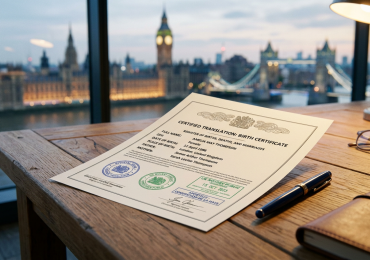
The UK Visas and Immigration (UKVI) department has specific translation requirements that must be met for documents submitted as part of visa and immigration applications. These requirements are crucial for ensuring that all information is accurately conveyed and understood by UKVI officials. A certified translation is essential for any document that is not in English, including birth certificates, marriage certificates, academic transcripts, and legal documents.
Certified translations must be performed by a qualified translator or a translation service that is recognized by UKVI. The translator must provide a signed statement confirming that the translation is accurate and complete, as well as their qualifications. This certification is vital because it assures UKVI that the translated document can be trusted and accurately reflects the original text.
In addition to certification, there are specific formatting standards that must be adhered to. Documents should be translated in their entirety, including any stamps, signatures, and other pertinent information. Failure to comply with these requirements can lead to delays in processing or even rejection of the application. Therefore, understanding and following the UKVI translation requirements is paramount for anyone seeking to submit documents for immigration purposes.
Common Reasons for UKVI Translation Rejections
Despite best efforts, translations can sometimes be rejected by UKVI. Understanding the common reasons for these rejections can help applicants avoid pitfalls and ensure their documents are accepted. Here are some prevalent issues that lead to UKVI translation rejections:
- Inaccurate Translations or Missing Information: One of the most common reasons for rejection is inaccuracies in the translation. This can include incorrect wording, omissions, or misinterpretations of the original text. Even minor errors can lead to significant misunderstandings, which is why accuracy is critical.
- Failure to Meet Specific Formatting Standards: UKVI has strict formatting requirements for translated documents. If the format of the translated document does not match that of the original, it may be rejected. This includes aspects like font size, layout, and the inclusion of official seals or signatures.
- Lack of Certification or Proper Credentials: Translations must be certified by a qualified translator. If a translation lacks the necessary certification or if the translator does not have the appropriate credentials, UKVI will likely reject the submission. It is essential to ensure that the translator is recognized and has the qualifications to provide certified translations.
Understanding these reasons can help applicants take proactive measures to ensure their translations meet UKVI standards, thereby reducing the risk of rejection.
What to Do If UKVI Rejects Your Translation
Receiving a rejection notice from UKVI can be disheartening, but it is important to act quickly and efficiently. Here are the steps to take immediately after a rejection:
- Review the Rejection Notice: Carefully read the rejection notice to understand the specific reasons for the denial. This document will provide crucial information on what went wrong and what needs to be corrected.
- Gather Necessary Documentation and Evidence: Collect all original documents and the rejected translation. This will help you identify errors and ensure that all necessary information is included in the new submission.
- Consult with a Certified Translation Service: Engaging a certified translation service can provide the expertise needed to rectify any issues. They can help ensure that the translation is accurate, properly formatted, and meets all UKVI requirements. This step is crucial, especially if you are unsure about the specific changes needed.
Taking these steps can significantly improve the chances of a successful resubmission, helping you move forward with your immigration application.
How to Resubmit Your Translation to UKVI
Once you have addressed the issues that led to the rejection, you can prepare to resubmit your translation to UKVI. Here are the key steps to follow:
- Preparing Your Translation for Resubmission: Ensure that the translation has been thoroughly reviewed and corrected. Any inaccuracies or formatting issues identified in the rejection notice must be addressed. It is also advisable to have the translation checked by a second qualified translator for additional assurance.
- Ensuring Compliance with UKVI Standards: Double-check that the translated document meets all UKVI standards, including certification and formatting requirements. This includes ensuring that the translator’s credentials are included and that the translation is signed and dated.
- Submitting Through the Correct Channels: Follow the submission guidelines provided by UKVI. Ensure that you include all necessary documentation, including the original documents, the corrected translation, and any additional forms required. Submit your documents through the appropriate online portal or mailing address as specified by UKVI.
By meticulously preparing your resubmission, you can enhance the likelihood of acceptance and avoid further delays in your immigration process.
The UKVI Translation Appeal Process
If your translation is rejected and you believe the decision was made in error, you have the option to appeal. Understanding the appeal process is essential for effectively challenging a rejection. Here are the key steps involved:
- Understanding the Appeal Process: Familiarize yourself with the UKVI appeal process, which may vary depending on the specific circumstances of your case. Generally, you will need to submit a formal appeal request within a set timeframe after receiving the rejection notice.
- Key Steps and Timelines for Appeals: Ensure that you adhere to all deadlines outlined by UKVI for submitting your appeal. Prepare your appeal submission carefully, including a detailed explanation of why you believe the rejection was incorrect and any supporting evidence.
- What to Include in Your Appeal Submission: Your appeal should include all relevant documentation, such as the original documents, the rejected translation, and any new evidence that supports your case. It is also advisable to include a revised translation that addresses the issues raised in the rejection notice.
Taking these steps can help you navigate the appeal process more effectively, improving your chances of a successful outcome.
Tips for Avoiding UKVI Translation Rejections
Preventing translation rejections is always preferable to dealing with the consequences of a rejection. Here are some practical tips to help you avoid common pitfalls:
- Choosing the Right Translation Service: Select a certified translation service with a proven track record in handling UKVI translations. Look for services that specialize in immigration documents and have positive client reviews.
- Double-Checking Documents Before Submission: Review all documents thoroughly before submitting them to UKVI. Ensure that all translations are accurate, complete, and formatted according to UKVI requirements.
- Staying Updated on UKVI Requirements: UKVI requirements can change, so it is important to stay informed about the latest guidelines. Regularly check the UKVI website or consult with your translation service for updates.
By following these tips, you can significantly reduce the risk of translation rejections and streamline your immigration process.
Real-Life Case Studies of UKVI Translation Rejections
Understanding real-life scenarios can provide valuable insights into the challenges faced during the translation process. Here are some examples of common rejection scenarios and the lessons learned:
- Case Study 1: Inaccurate Birth Certificate Translation: An applicant submitted a birth certificate translation that omitted key details, leading to rejection. Upon consultation with a certified translation service, they learned the importance of including all information, including stamps and signatures. After correcting the translation, they successfully resubmitted it.
- Case Study 2: Formatting Issues with Academic Transcripts: A university applicant faced rejection due to incorrect formatting of their academic transcripts. They discovered that UKVI had specific requirements for the layout and presentation of educational documents. After working with a professional service to ensure compliance, they were able to resubmit successfully.
- Case Study 3: Lack of Certification: An applicant submitted a translation that was not certified, resulting in immediate rejection. They learned that all translations must be certified by a qualified translator. By obtaining a certified translation from a recognized service, they were able to proceed with their application.
These case studies highlight the importance of accuracy, proper formatting, and certification in the translation process. Seeking professional guidance can prevent many common issues and ensure a smoother application experience.
Conclusion: Navigating UKVI Translation Challenges
In conclusion, navigating the complexities of UKVI translation requirements can be challenging, but understanding the process and knowing how to address potential issues can make a significant difference. Key points to remember include:
- Always ensure that your translations are accurate and certified.
- Be aware of common rejection reasons and take proactive steps to avoid them.
- Consult with a certified translation service for expert guidance and support.
By following these guidelines and seeking professional help when needed, you can enhance your chances of successful submissions and avoid the stress of dealing with rejections. Remember, thorough preparation and attention to detail are your best allies in the UKVI translation process.
Frequently Asked Questions
What are the main reasons for UKVI rejecting translations?
The main reasons include inaccurate translations or missing information, improper formatting, and lack of certification or proper credentials.
How can I appeal a UKVI translation rejection?
To appeal a rejection, follow the specific appeal process outlined by UKVI and include all necessary documentation and evidence to support your case.
What should I do if my translation is rejected?
If your translation is rejected, review the rejection notice carefully and consult with a certified translation service for guidance on how to correct the issues.
Can I resubmit my translation after a rejection?
Yes, you can resubmit your translation after ensuring it meets all UKVI requirements. Double-check for accuracy and certification before resubmission.
What are the UKVI translation requirements?
UKVI translation requirements state that translations must be certified and accurate, following specific formatting guidelines set by UKVI.