Understanding Certified Translation for Property Purchases
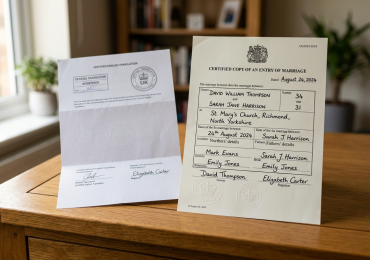
Certified translation is a specialized form of translation that ensures the accuracy and authenticity of documents intended for legal purposes. In the context of property purchases, certified translation is crucial as it provides a legally recognized translation of documents that may be required by foreign authorities or institutions. This type of translation typically involves a signed statement from the translator or translation service, affirming that the translation is complete and accurate to the best of their knowledge. Such a statement is often accompanied by the translator’s qualifications and contact information.
The importance of certified translation in property transactions cannot be overstated. When purchasing property overseas, buyers are often required to submit various legal documents, including contracts, property deeds, and land registry documents, in the local language of the country where the property is located. Failure to provide accurate translations can lead to misunderstandings, legal disputes, and even financial losses. For example, a misinterpretation of a property deed could result in the buyer unknowingly agreeing to unfavorable terms. Therefore, ensuring that all documents are accurately translated and certified is essential for a smooth transaction.
In addition, different countries have varying requirements regarding the acceptance of translated documents. Some jurisdictions may require translations to be certified by a professional translator or a translation agency, while others may accept translations done by the buyer. Understanding these requirements is vital for anyone considering an overseas property purchase, as it helps avoid potential complications that could delay or derail the transaction.
Why You Need Translation for Overseas Property Purchase
When purchasing property abroad, there are several legal requirements that must be met, and accurate translations of all relevant documents are often at the forefront of these requirements. Many countries mandate that legal documents be presented in their official language, which means that any documents originating from the UK need to be translated into the local language of the country where the property is located. This is particularly important for documents such as contracts, property deeds, and land registry documents.
The consequences of incorrect translations can be severe. For instance, if a property contract is mistranslated, it could lead to the buyer agreeing to terms that differ significantly from their intentions. This could include misunderstandings about payment terms, property boundaries, or even the legal obligations of the buyer. Such issues can result in legal disputes that may require costly litigation or even the loss of the property. Additionally, if the translation is not certified, the foreign authorities may reject it, causing delays in the purchasing process.
Moreover, the legal implications of buying property abroad can be complex. Different countries have distinct laws governing property transactions, and these laws often require specific documentation to be submitted in a particular format. For example, some countries may require notarized translations, while others may accept standard certified translations. Understanding these nuances is essential for ensuring compliance with local laws and avoiding potential legal pitfalls.
Furthermore, buyers should be aware that the translation process can take time. It is advisable to factor in the time required for translation when planning a property purchase. Engaging a professional translation service early in the process can help mitigate delays and ensure that all necessary documents are ready for submission when required.
Types of Property Documents That Require Translation
When buying property overseas, several types of documents typically require translation. Understanding which documents need to be translated is crucial for ensuring a smooth transaction. Here are some of the most common types of property documents that necessitate certified translation:
- Property Deeds: This document outlines the ownership of the property and includes details such as the property description, boundaries, and any encumbrances. Accurate translation is essential to ensure that the buyer fully understands their rights and obligations regarding the property.
- Contracts: The purchase contract is a legally binding agreement between the buyer and seller. It outlines the terms of the sale, including the purchase price, payment terms, and any contingencies. A mistranslated contract can lead to significant misunderstandings and disputes.
- Land Registry Documents: These documents provide official confirmation of property ownership and details about the property’s legal status. They may include information on previous owners, liens, and other legal claims against the property. Accurate translation is crucial to ensure that the buyer is aware of any potential issues.
- Mortgage Documents: If the buyer is financing the purchase through a mortgage, the related documents will also need to be translated. This includes loan agreements, terms and conditions, and any disclosures required by law.
- Tax Documents: Buyers may also need to provide tax-related documents, such as proof of tax payments or tax assessments. These documents must be accurately translated to comply with local tax laws.
Each of these documents plays a critical role in the property transaction process, and ensuring their accurate translation is vital for protecting the buyer’s interests. Engaging a certified translation service that specializes in legal and property documents can help ensure that all necessary translations are completed accurately and in a timely manner.
The Process of Translating Property Documents
The process of translating property documents involves several key steps to ensure accuracy and compliance with legal standards. Here’s an overview of the typical steps involved:
- Document Collection: The first step is to gather all relevant documents that require translation. This may include property deeds, contracts, land registry documents, and any other legal paperwork related to the property purchase.
- Initial Assessment: A certified translation service will assess the documents to determine the level of complexity and the specific requirements for translation. This may involve identifying legal terminology and any specific formatting needs.
- Translation: The actual translation is performed by a certified translator who is fluent in both the source and target languages. The translator will ensure that the translation is not only accurate but also culturally appropriate and legally compliant.
- Quality Assurance: After the translation is completed, a quality assurance process is implemented. This may involve a second translator reviewing the work to ensure accuracy and consistency. Some services may also use software tools to check for errors or inconsistencies.
- Certification: Once the translation is verified, it is certified by the translation service. This involves providing a signed statement that confirms the translation’s accuracy and completeness, along with the translator’s qualifications.
- Delivery: The final step is the delivery of the translated documents to the client. This may include both digital and hard copies, depending on the client’s needs and the requirements of the foreign authorities.
Throughout this process, it is essential to work with a certified translation service that has experience in legal translations, particularly in the context of property transactions. This ensures that all documents are handled with the utmost care and professionalism, reducing the risk of errors that could impact the transaction.
Notary Translation for Property Abroad
Notary translation is a specific type of certified translation that involves a notary public in the certification process. This is particularly important for certain legal documents that may require additional verification to be accepted by foreign authorities.
What is Notary Translation? Notary translation involves the translation of documents by a certified translator, followed by the notarization of the translation by a notary public. The notary public verifies the identity of the translator and witnesses the signing of the certification statement, adding an extra layer of authenticity to the translation.
When is it Necessary? Notary translation is often required for documents that are being submitted to foreign governments or institutions, particularly in the context of property purchases. For example, if a buyer is purchasing property in a country that mandates notarized translations, failure to provide this could result in the rejection of the documents, causing delays or complications in the transaction.
How to Obtain Notary Translation: To obtain a notary translation, the buyer should first engage a certified translation service that offers notary services. The process typically involves the following steps:
- Submitting the original documents for translation.
- Having the documents translated by a certified translator.
- Requesting notarization from a notary public, which may involve a separate fee.
- Receiving the notarized translation along with the certification statement.
It is advisable to confirm the specific requirements for notarized translations in the target country to ensure compliance and avoid any potential issues during the property purchase process.
Choosing the Right Translation Service
Selecting the right translation service is a critical step in ensuring that your overseas property purchase goes smoothly. Here are several factors to consider when choosing a translation service:
- Experience: Look for a translation service that has experience in legal translations, particularly in property transactions. An experienced service will be familiar with the specific terminology and requirements involved in these types of documents.
- Accreditation: Ensure that the translation service is accredited by relevant professional bodies. Accreditation can provide assurance of the service’s quality and adherence to industry standards.
- Client Testimonials: Reading client reviews and testimonials can provide insight into the service’s reliability and quality. Look for feedback specifically related to legal and property document translations.
- Specialization: Some translation services specialize in certain languages or types of documents. Choose a service that specializes in the languages and documents relevant to your property purchase.
- Turnaround Time: Consider the service’s turnaround time for translations. Property transactions often have tight deadlines, so it is essential to choose a service that can deliver on time.
By carefully evaluating these factors, buyers can select a translation service that meets their needs and contributes to a successful overseas property purchase.
Common Challenges in Property Document Translation
- Language Nuances: Different languages have unique idioms, phrases, and cultural references that may not have direct equivalents in the target language. This can lead to misunderstandings if not handled properly.
- Legal Terminology: Property law varies significantly from one country to another, and legal terms may not translate directly. A translator must have a deep understanding of both the source and target legal systems to ensure accurate translations.
- Cultural Considerations: Cultural differences can affect how property transactions are conducted and understood. A translator must be aware of these differences to provide contextually appropriate translations.
To overcome these challenges, it is essential to work with a certified translation service that has expertise in legal translations and a thorough understanding of the nuances involved in property transactions. This can help ensure that all documents are accurately translated, reducing the risk of complications during the purchasing process.
Cost of Certified Translation Services
The cost of certified translation services can vary widely based on several factors. Understanding these factors can help buyers budget appropriately for their property purchase. Here are some key factors that can affect translation costs:
- Document Complexity: More complex documents, such as legal contracts or property deeds, may require more time and expertise to translate, resulting in higher costs.
- Language Pair: The rarity of the language pair can also influence costs. Translating from a common language to another common language may be less expensive than translating from a rare language.
- Turnaround Time: If a translation is needed urgently, expedited services may incur additional fees. It is important to communicate any deadlines clearly to the translation service.
- Certification Requirements: Some services may charge extra for certification or notarization of translations, so it’s essential to clarify these costs upfront.
On average, certified translation services can range from £0.10 to £0.20 per word, depending on the factors mentioned above. While it may be tempting to opt for cheaper services, investing in quality translation is crucial for ensuring accuracy and compliance, ultimately protecting the buyer’s investment in the property.
Conclusion: Ensuring a Smooth Overseas Property Purchase
In conclusion, certified translation plays a vital role in the process of purchasing property overseas. It ensures that all necessary documents are accurately translated and legally recognized, helping to avoid potential complications and misunderstandings. Buyers should take the time to understand the specific translation requirements for their target country and engage a qualified translation service that specializes in legal and property document translations.
By doing so, buyers can navigate the complexities of international property transactions with confidence, ensuring a smooth and successful purchase process. Investing in quality translation services is not just a matter of compliance; it is a crucial step in protecting one of the most significant investments of a lifetime.
Frequently Asked Questions
What is certified translation?
A translation that is officially recognized for legal purposes, often accompanied by a signed statement from the translator.
Why is translation important for property purchases abroad?
To ensure legal compliance and avoid disputes related to property ownership.
What types of documents need to be translated for overseas property purchases?
Property deeds, contracts, land registry documents, and any legal agreements.
How do I choose a certified translation service?
Look for experience, accreditation, client reviews, and specialization in legal translations.
What is notary translation and when is it needed?
Notary translation involves a certified translator and a notary public, necessary for certain legal documents.
What are the common challenges in translating property documents?
Legal terminology, cultural differences, and ensuring accuracy in translation.