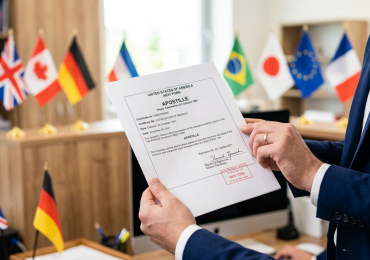
Understanding Certified Translation
Certified translation refers to the process of translating documents while ensuring their accuracy and authenticity. This type of translation is accompanied by a signed statement from the translator or the translation service, affirming that the translation is a true and accurate representation of the original document. Certified translations are often required for legal, academic, and official purposes, where the integrity of the document is paramount.
When certified translation is required, it typically involves documents that are to be submitted to governmental agencies, educational institutions, or legal entities. Common scenarios include:
- Immigration Applications: Documents such as birth certificates, marriage certificates, and passports often require certified translations when applying for visas or residency.
- Educational Purposes: Students applying to foreign universities may need certified translations of their academic transcripts and diplomas.
- Legal Proceedings: Legal documents like contracts, court orders, and affidavits must be accurately translated and certified for use in court.
Examples of documents that typically require certified translation include:
- Birth Certificates
- Marriage Licenses
- Divorce Decrees
- Academic Transcripts
- Legal Contracts
- Medical Records
In the UK, certified translations must adhere to specific standards, ensuring they meet the requirements set by institutions such as UK Visas and Immigration (UKVI) and various educational bodies. This includes providing translations that are not only accurate but also formatted correctly, with the translator’s qualifications and contact information included.
What is Apostille Translation?
Apostille translation refers to a certified translation that has been further authenticated through an apostille. An apostille is a certificate issued under the Hague Convention, which verifies the authenticity of the signature, capacity, and seal of the official who has signed the document. This process is crucial for ensuring that documents can be recognized in foreign countries without the need for further legalisation.
The role of apostille in international document verification is significant. It simplifies the process of using documents across borders by providing a universally accepted form of authentication. When a document is apostilled, it confirms that the document is genuine and that the translation is accurate, making it suitable for use in any country that is a member of the Hague Convention.
Examples of documents that may require an apostille include:
- Birth and Marriage Certificates
- Academic Degrees and Transcripts
- Power of Attorney Documents
- Legal Contracts
- Adoption Papers
In the UK, obtaining an apostille involves submitting the original document along with the certified translation to the Foreign, Commonwealth & Development Office (FCDO). The process typically requires a fee and can take several days to complete, depending on the volume of requests.
Key Differences Between Certified and Apostille Translation
The legal implications of certified vs apostille translation are crucial for individuals and businesses operating internationally. While both types of translations ensure accuracy, they serve different purposes:
- Certified Translation: This is primarily focused on the accuracy of the translation itself. It is often required for documents used within the same country or for specific legal purposes.
- Apostille Translation: This goes a step further by providing an internationally recognized form of authentication. It is necessary when documents are intended for use in foreign jurisdictions.
Geographical acceptance varies significantly between the two. Certified translations are typically accepted within the country where they were issued, while apostille translations are recognized across all member countries of the Hague Convention. This distinction is vital for individuals planning to use their documents abroad.
When deciding whether to choose certified translation over apostille translation, consider the following:
- Purpose of the Document: If the document is for use only within the UK, a certified translation may suffice. However, if it is intended for international use, an apostille is necessary.
- Destination Country Requirements: Some countries have specific requirements for document authentication. Researching the destination country’s regulations can help determine the appropriate translation type.
- Time and Cost: Apostille services may involve additional fees and processing time. Weighing these factors against the urgency of your needs is essential.
In summary, while both certified and apostille translations serve to validate documents, they cater to different legal needs and geographical contexts. Understanding these differences is crucial for ensuring compliance with international documentation standards.
Do I Need Apostille Translation in the UK?
Common scenarios requiring apostille translation in the UK include:
- Moving Abroad: If you are relocating to another country and need to present personal documents such as birth certificates or marriage licenses, an apostille may be required.
- International Employment: Employers in foreign countries often require apostilled documents to verify the authenticity of your qualifications and legal status.
- Studying Abroad: Universities may request apostilled academic records to ensure their legitimacy.
To determine if your document needs an apostille, consider the following steps:
- Check the requirements of the country where the document will be used.
- Consult with the relevant authorities or institutions to confirm if an apostille is necessary.
- Ensure that the document is translated by a certified translator before applying for an apostille.
Steps to obtain an apostille in the UK include:
- Prepare Your Documents: Ensure that you have the original document and its certified translation ready.
- Submit to the FCDO: Send your documents to the Foreign, Commonwealth & Development Office along with the required fee.
- Wait for Processing: The processing time can vary, so it’s advisable to apply well in advance of when you need the documents.
Understanding these requirements can help streamline the process of obtaining an apostille translation, ensuring your documents are ready for international use.
Certified Apostille Translation Comparison
When comparing certified and apostille translations, several factors come into play:
- Certification: Certified translations are verified for accuracy, while apostille translations include the additional step of authentication.
- Cost Considerations: Certified translations generally have a lower cost compared to apostille translations, which may incur additional fees for the apostille process itself.
- Timeframes: Certified translations can often be completed quickly, whereas obtaining an apostille may take longer due to the processing time at the FCDO.
For instance, a certified translation of a birth certificate might take 1-2 days, while the apostille process could take an additional week or more, depending on demand and processing times. This is an important consideration for individuals needing documents urgently.
In summary, while both certified and apostille translations serve critical roles in document verification, understanding their differences in terms of cost, time, and legal implications is essential for making informed decisions.
Apostille Meaning in the UK
The legal definition of apostille in the UK context refers to a certificate that authenticates the origin of a public document. Under the Hague Convention, the apostille serves as a means of verifying that the document is genuine and can be accepted in countries that are signatories to the convention.
The historical background of the apostille process dates back to 1961 when the Hague Convention Abolishing the Requirement of Legalisation for Foreign Public Documents was established. This agreement aimed to simplify the process of legalisation and ensure that documents could be recognized internationally without excessive bureaucracy.
The importance of apostille in international law cannot be overstated. It facilitates the free movement of documents across borders, ensuring that individuals and businesses can operate smoothly in global contexts. By providing a standardized method of verification, the apostille process helps to reduce potential disputes over document authenticity.
When is Apostille Required in the UK?
Apostille is mandatory in specific situations, particularly when documents are intended for use in foreign countries. Some common scenarios include:
- Legal Proceedings: If you are involved in legal matters abroad, documents such as court orders or legal agreements may require an apostille.
- Educational Purposes: Students applying to universities outside the UK often need apostilled academic records to validate their qualifications.
- Employment Verification: Employers in other countries may request apostilled documents to confirm your credentials and identity.
The consequences of not having an apostille when required can be significant. Documents may be rejected, leading to delays in processes such as visa applications or job offers. To avoid these issues, it is crucial to understand the apostille requirements for various document types.
Advice on apostille requirements for various document types includes:
- Always verify the specific requirements of the destination country.
- Ensure that documents are translated and certified before applying for an apostille.
- Consult with professionals who specialize in apostille services to navigate the process smoothly.
Conclusion: Choosing the Right Translation Service
In conclusion, understanding the differences between certified and apostille translations is essential for anyone dealing with international documentation. Certified translations ensure accuracy, while apostille translations provide the necessary authentication for use abroad. When selecting between the two, consider the purpose of your document, the requirements of the destination country, and the associated costs and timeframes.
For the best results, it is advisable to consult with professionals who specialize in translation and apostille services. They can provide guidance tailored to your specific needs, ensuring that your documents meet all necessary legal requirements for international use.
Frequently Asked Questions
What is the difference between certified and apostille translation?
Certified translation is a document translation that comes with a signed statement of accuracy. Apostille translation is a certified translation that has been further authenticated for international use.
Do I need apostille translation for my documents in the UK?
Yes, apostille translation is often required for documents being used abroad. Check if your document is among those that require apostille for validity.
What documents typically require certified translation?
Birth certificates, marriage licenses, and legal contracts often require certified translation. Educational documents for study abroad may also need certified translations.
How can I obtain an apostille in the UK?
You can obtain an apostille through the UK Foreign, Commonwealth & Development Office. The process involves submitting your document and paying a fee.
When is an apostille required in the UK?
An apostille is required when a document is to be used in a foreign country. It verifies the authenticity of the document for international purposes.