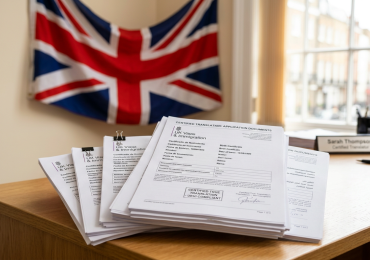
Understanding the EU Settlement Scheme
The EU Settlement Scheme (EUSS) was established to provide EU citizens and their families living in the UK with the right to continue residing in the country post-Brexit. It allows eligible individuals to apply for either settled or pre-settled status, depending on their length of residence. Settled status is granted to those who have lived in the UK for five continuous years, while pre-settled status is available for those who have been residing for less than five years. The scheme is crucial for EU citizens as it secures their rights to live, work, and access public services in the UK, ensuring they are not disadvantaged due to their nationality.
One of the key components of the application process is the requirement for accurate documentation. Many applicants may need to provide documents that are not in English, which is where translation becomes essential. Proper translation of documents for the EU settlement scheme is not just a formality; it is a legal requirement that ensures all submitted materials are understood by the Home Office. This process helps to avoid delays or complications in the application process, which can have significant implications for individuals trying to secure their residency status.
Furthermore, the importance of translation extends beyond legal compliance. For many EU citizens, these documents may include personal and sensitive information such as identity cards, proof of residency, and family records. Ensuring these documents are accurately translated can help maintain the integrity of the application and provide peace of mind to the applicants. In summary, understanding the EU Settlement Scheme and the role of translation is vital for EU citizens aiming to secure their status in the UK.
Who Needs to Translate Documents for the EU Settlement Scheme?
The eligibility criteria for the EU Settlement Scheme primarily targets EU citizens, along with their family members, who were residing in the UK before the end of the Brexit transition period on December 31, 2020. This includes individuals from EU member states, the European Economic Area (EEA), and Switzerland. Family members can include spouses, children, and other dependents, regardless of their nationality, as long as they are part of the household.
When applying for settled or pre-settled status, applicants must provide various types of documents that may require translation. These documents typically include:
- Identity Documents: Passports or national identity cards that establish the applicant’s identity and nationality.
- Proof of Residency: Documents such as utility bills, rental agreements, or bank statements that demonstrate the applicant’s continuous residence in the UK.
- Legal Documents: Any additional documents that support the application, such as marriage certificates, birth certificates, or divorce decrees.
It is important to note that all documents not originally in English must be translated by a certified translator to ensure they meet the Home Office’s requirements. This is crucial for maintaining the integrity of the application and avoiding potential rejections due to misunderstandings or inaccuracies in the documentation.
EUSS Translation Requirements Explained
The translation requirements for the EU Settlement Scheme are stringent, as the Home Office mandates that all documents submitted must be accurately translated into English. To comply with these requirements, translations must adhere to specific standards, ensuring that they are not only linguistically accurate but also contextually appropriate. Here are some key aspects of the EUSS translation requirements:
- Certified Translations: All translations must be certified, meaning they are completed by a professional translator who provides a signed statement confirming the accuracy of the translation. This certification is crucial for the acceptance of documents by the Home Office.
- Document Format: Translations should be presented in a clear and legible format, ideally mirroring the original document’s layout. This includes maintaining the same order of information and ensuring that any official seals or stamps are also translated.
- Language Proficiency: The translator must be proficient in both the source and target languages, with a deep understanding of the legal terminology commonly used in immigration documents. This ensures that nuances and specific meanings are preserved in the translation.
Commonly required documents for translation include:
- Passports and national identity cards
- Proof of residency documents, such as tenancy agreements and utility bills
- Marriage and birth certificates
- Any legal documents relevant to the applicant’s status or residency
Understanding these translation requirements is essential for EU citizens applying for the EUSS, as it directly impacts their ability to secure their residency status in the UK.
How to Choose a Translation Service for EUSS
- Certification: Ensure the translation service provides certified translations, as these are required by the Home Office. Look for services that have a clear process for certifying translations and can provide proof of their qualifications.
- Experience with Immigration Documents: Choose a service that specializes in translating immigration-related documents. Familiarity with the specific terminology and requirements of the EUSS will enhance the accuracy of the translations.
- Turnaround Time: Consider the service’s turnaround time, especially if you are working with tight deadlines. Many services offer expedited options, but ensure that speed does not compromise the quality of the translation.
- Customer Reviews and Testimonials: Research customer feedback to gauge the reliability and quality of the service. Positive testimonials from previous clients can provide insight into their experience and satisfaction.
- Cost Transparency: Look for a service that provides clear pricing structures without hidden fees. Request quotes from multiple providers to compare costs and ensure you are getting a fair deal.
Ultimately, the importance of certified translations cannot be overstated. A certified translation not only ensures that your documents are accepted by the Home Office but also provides a level of assurance that the translation is accurate and professionally done. This can significantly reduce the risk of delays or complications in your application process.
Settled Status vs. Pre-Settled Status Document Translation
When applying for the EU Settlement Scheme, understanding the differences between settled status and pre-settled status is essential, particularly regarding the types of documents that may need translation. Each status has specific requirements that can impact the documentation needed for the application.
Settled Status: This status is granted to those who have lived in the UK for five continuous years. Applicants will need to provide comprehensive proof of their residency during this period. Common documents requiring translation for settled status include:
- Proof of continuous residence, such as utility bills, bank statements, or employment records covering the five-year period.
- Identity documents, including passports or national ID cards.
- Legal documents, such as marriage certificates if applying as a family member.
Pre-Settled Status: For those who have not yet completed five years of residence, pre-settled status is available. The documentation required may differ slightly, focusing on proof of residence since arriving in the UK. Documents that may need translation include:
- Identity documents to establish identity and nationality.
- Proof of residency, which may include rental agreements or recent utility bills.
- Any relevant legal documents, such as birth certificates for children.
Understanding these differences is crucial for applicants, as providing the correct documentation and ensuring accurate translations can significantly influence the outcome of their applications. Each status has distinct requirements that must be met to secure residency in the UK.
Cost and Timeline for EU Settlement Scheme Translations
The cost and timeline for translating documents for the EU Settlement Scheme can vary significantly based on several factors. Understanding these elements can help applicants budget appropriately and plan their application timeline effectively.
Factors Affecting Translation Costs:
- Document Type: Different types of documents may have varying costs associated with their translation. For example, translating a birth certificate may be less expensive than translating a complex legal document.
- Length of Document: The longer the document, the higher the cost is likely to be. Translation services typically charge per word or per page, so longer documents will naturally incur higher fees.
- Urgency: If you require a quick turnaround, many services offer expedited options at an additional cost. This can be beneficial if you are working against a deadline.
Typical Turnaround Times: The time it takes to translate documents can also vary based on the service and the complexity of the documents. Generally, applicants can expect:
- Standard translations to take between 5 to 10 business days.
- Expedited translations may be available in 1 to 3 business days, depending on the service provider.
It is advisable to contact translation services directly to obtain quotes and timelines tailored to your specific needs. This will help ensure that you have a clear understanding of the costs involved and the time required to complete your translations, allowing you to plan your application process accordingly.
Common Challenges in Document Translation for EUSS
Translating documents for the EU Settlement Scheme can present several challenges that applicants should be aware of. Understanding these challenges can help individuals prepare better and ensure their translations meet the necessary standards.
Language Barriers and Legal Terminology: One of the primary challenges is the presence of specialized legal terminology that may not have direct translations in other languages. This can lead to misunderstandings or inaccuracies if not handled by a translator with expertise in legal language. Applicants should ensure that their chosen translator is familiar with the specific terms used in immigration law to avoid potential issues.
Ensuring Accuracy and Compliance: Another significant challenge is ensuring that translations are not only accurate but also compliant with the Home Office’s requirements. Any discrepancies or errors in the translation can lead to delays or even rejections of the application. It is crucial to work with a certified translation service that guarantees adherence to these standards.
To mitigate these challenges, applicants should take proactive steps, such as providing clear instructions to their translation service, ensuring that all documents are complete and legible, and verifying the translator’s qualifications and experience with immigration documents.
Tips for a Smooth Translation Process
To facilitate a smooth translation process for the EU Settlement Scheme, applicants can follow several practical tips:
- Prepare Documents Thoroughly: Ensure that all documents are complete, legible, and free from any alterations. This includes checking for any missing pages or signatures that may be required.
- Communicate Clearly with Your Translation Service: Provide your translator with clear instructions regarding the purpose of the translation and any specific requirements set forth by the Home Office. This will help ensure that the translation meets all necessary standards.
- Review Translations Carefully: Once you receive your translations, review them for accuracy and completeness. If you notice any discrepancies, address them with your translation service immediately.
- Allow Sufficient Time: Plan ahead and allow ample time for the translation process. This will help you avoid last-minute rushes and ensure that you can submit your application on time.
By following these tips, applicants can enhance the efficiency and effectiveness of their translation process, ultimately leading to a smoother experience when applying for the EU Settlement Scheme.
Frequently Asked Questions about EUSS Translation
What documents need to be translated for the EU Settlement Scheme?
Identity documents, residency proof, and any legal documents must be translated for the EU Settlement Scheme.
How long does it take to translate documents for the EUSS?
Typically, it takes 5-10 business days, depending on the service and document complexity.
Can I translate my own documents for the EU Settlement Scheme?
No, translations must be done by a certified professional to be accepted by the Home Office.
What is the cost of translating documents for the EU Settlement Scheme?
Costs vary based on document type and length; it’s best to get a quote from a service for accurate pricing.
Is it necessary to have a certified translation for the EUSS?
Yes, certified translations are required to ensure accuracy and acceptance by the Home Office.