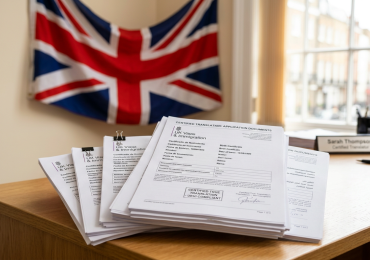
Understanding German Document Translation
German document translation involves converting written materials from German into English while maintaining the original meaning and context. This process is crucial for individuals and businesses in the UK who require accurate translations for various purposes, including legal, immigration, and academic needs. As the UK continues to engage with Germany and other German-speaking countries, the demand for proficient translation services has surged.
For UK residents, the importance of German document translation cannot be overstated. Many individuals may find themselves needing translations for personal documents such as birth certificates, marriage certificates, or academic qualifications when applying for jobs, enrolling in educational institutions, or navigating immigration processes. Accurate translations are vital to ensure that these documents are accepted by authorities and institutions in the UK, preventing potential delays or complications.
Moreover, the nuances of the German language, including its grammatical structure and idiomatic expressions, require skilled translators who are not only fluent in both languages but also familiar with the cultural contexts. This expertise ensures that translations are not only linguistically accurate but also culturally appropriate, which is essential for legal and official documents.
Why You Need German Document Translation for the UK
Legal requirements for immigration to the UK often necessitate the translation of various documents from German to English. The UK Visas and Immigration (UKVI) department mandates that certain documents must be translated to ensure that they meet the standards for visa applications, residency permits, and other immigration-related processes. Failure to provide certified translations can lead to application rejections or delays, which can significantly impact an individual’s ability to live and work in the UK.
Common scenarios requiring German document translation include:
- Visa Applications: When applying for a visa, applicants must submit various documents, including passports, marriage certificates, and financial statements, all of which may need to be translated.
- Academic Applications: Students applying to UK universities may need to provide translated academic transcripts and diplomas to prove their qualifications.
- Employment Opportunities: Job seekers may require translations of their CVs, references, and professional qualifications to meet the expectations of UK employers.
- Legal Matters: Individuals involved in legal proceedings may need to translate contracts, affidavits, or other legal documents to ensure compliance with UK law.
In summary, understanding the necessity of German document translation is pivotal for anyone looking to establish themselves in the UK, as it directly affects their ability to navigate the complexities of immigration and legal systems.
Types of German Documents That Need Translation
There are several types of German documents that commonly require translation for use in the UK. Each type serves a specific purpose and must adhere to particular standards to be accepted by UK authorities. Here are some key document types:
- Birth Certificates: Essential for various applications, including residency and citizenship, birth certificates must be accurately translated to reflect the original details.
- Marriage Certificates: Often required for visa applications or legal proceedings, these documents must be translated to confirm marital status and related legal rights.
- Academic Transcripts: Students seeking admission to UK educational institutions must provide translated transcripts that detail their academic performance and qualifications.
- Legal Documents: This category includes contracts, wills, and court documents that require precise translations to ensure they are legally binding and recognized in the UK.
Each of these documents plays a crucial role in various processes, and ensuring their accurate translation is vital for compliance with UK regulations. Inaccuracies or omissions in translations can lead to significant complications, including legal disputes or application denials.
Step-by-Step Process for German Document Translation
The process of translating German documents involves several critical steps to ensure accuracy and compliance with UK standards. Here’s a detailed breakdown of these steps:
- Gathering Necessary Documents: Start by collecting all original documents that need translation. Ensure they are complete and legible. If any documents are damaged or incomplete, consider obtaining new copies before proceeding.
- Choosing a Certified Translator: Selecting a qualified translator is crucial. Look for professionals who are certified and have experience in translating documents relevant to your needs, such as immigration or legal documents. Verify their credentials and ask for samples of previous work if necessary.
- Submitting Documents for Translation: Once you have chosen a translator, submit your documents along with any specific instructions regarding formatting or terminology. Discuss the expected turnaround time and costs upfront to avoid misunderstandings.
- Reviewing Translated Documents: After receiving the translated documents, review them carefully. Ensure that all information is accurate and that the translation maintains the original meaning. If possible, have a second pair of eyes review the documents for additional assurance.
Following these steps will help ensure that your German documents are translated accurately and in compliance with UK requirements. It is advisable to start this process early, especially if you are working against a deadline, such as an upcoming visa application or university admission date.
German Immigration Translation Requirements
The UKVI has specific standards for translations that must be adhered to when submitting documents for immigration purposes. Understanding these requirements is essential to avoid any issues with your application. Here are the key standards:
- Certified Translations: All translations submitted to UKVI must be certified. This means they must be completed by a qualified translator who can attest to the accuracy of the translation.
- Language and Format: Translations must be in English and should match the format of the original documents. This includes maintaining the layout and structure to ensure clarity and ease of review.
- Translator’s Credentials: The translator must provide a signed statement confirming their qualifications, including their name, contact information, and details of their certification.
- Document Types: Specific documents, such as birth certificates, marriage certificates, and academic records, are commonly required for various visa applications and must be translated accordingly.
It is essential to check the latest UKVI guidelines as requirements may change. Ensuring compliance with these standards will significantly enhance the chances of a successful application.
Common Mistakes to Avoid in German Document Translation
When it comes to translating German documents, several common pitfalls can lead to complications or rejections of applications. Here are some mistakes to avoid:
- Using Unqualified Translators: Opting for unqualified or amateur translators can result in inaccuracies that may jeopardize your application. Always choose certified professionals with relevant experience.
- Ignoring Formatting Requirements: Maintaining the original document’s format is crucial. Neglecting this can lead to confusion and misinterpretation of the information presented.
- Delaying Submission: Procrastination can lead to rushed translations, increasing the likelihood of errors. Start the translation process early to allow ample time for review and corrections.
- Overlooking Specific Requirements: Each type of document may have unique requirements. Failing to adhere to these can result in rejection by authorities. Always verify the requirements for each document type before submission.
Avoiding these common mistakes will help ensure that your German document translations are accurate, professional, and accepted by UK authorities.
Cost of German Document Translation in the UK
The cost of translating German documents can vary widely based on several factors. Understanding these factors will help you budget appropriately for your translation needs:
- Document Type: Different documents may have varying levels of complexity, affecting the cost. For instance, legal documents typically require more expertise and may cost more than personal documents.
- Length and Complexity: The longer and more complex the document, the higher the cost. Translators often charge per word or per page, so it is essential to consider the total word count.
- Turnaround Time: If you need a translation completed urgently, expect to pay a premium for expedited services. Standard turnaround times are usually more cost-effective.
- Certification Requirements: Certified translations may incur additional fees due to the need for a signed statement from the translator attesting to the accuracy of the translation.
On average, prices for certified translations in the UK can range from £30 to £100 per document, depending on the factors mentioned above. It is advisable to obtain quotes from multiple translation services to find the best option for your needs.
Choosing the Right Translation Service
Selecting the appropriate translation service is crucial for ensuring the accuracy and reliability of your German document translations. Here are key factors to consider:
- Certification and Qualifications: Ensure that the translation service employs certified translators who have relevant qualifications and experience in the specific type of translation you need.
- Specialization: Look for services that specialize in the type of documents you require, such as immigration, legal, or academic translations, to ensure they understand the specific requirements.
- Customer Reviews and Testimonials: Research customer feedback to gauge the quality of service provided. Positive reviews and testimonials can indicate reliability and professionalism.
- Transparent Pricing: Choose a service that offers clear pricing structures with no hidden fees. This transparency will help you budget effectively and avoid unexpected costs.
Utilizing certified translation services ensures that your documents are accurately translated and compliant with UK regulations, reducing the risk of application issues.
Frequently Asked Questions about German Document Translation
How long does the translation process take?
Typically, the translation process takes 3-5 business days, depending on document complexity.
Can I translate documents myself?
Self-translation is not accepted for official purposes; it is essential to use certified translators.
What if my documents are in a dialect?
Dialect documents should be translated by someone familiar with the dialect and standard German to ensure accuracy.
Do I need to notarize translated documents?
Notarization may be required for certain legal documents; it is advisable to check specific requirements based on the document type.
How to ensure accuracy in translations?
Choose certified translators and thoroughly review the translated documents to ensure accuracy and compliance.