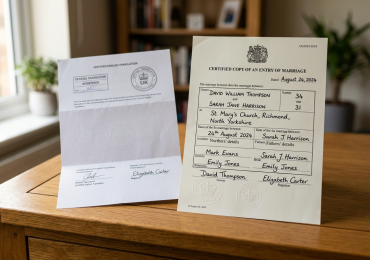
Understanding the Importance of Tax Return Translation for HMRC
Translating tax returns for HMRC (Her Majesty’s Revenue and Customs) is a crucial process for individuals and businesses operating in the UK who have foreign tax documents. Accurate translation ensures compliance with UK tax laws and facilitates proper assessment of tax obligations. This guide will provide you with essential insights into the translation process, requirements, and best practices for translating tax returns for HMRC.
What Are HMRC Translation Requirements?
HMRC has specific requirements for translated documents, especially when it comes to tax returns. Understanding these requirements is vital to ensure that your translated documents are accepted without any issues. Here are the key points to consider:
- Certified Translations: All translations submitted to HMRC must be certified. This means that the translator must provide a signed statement confirming the accuracy of the translation.
- Language Proficiency: The translator should be fluent in both the source and target languages, with a strong understanding of tax terminology.
- Document Format: The translated document should closely mirror the original format, including all figures, tables, and headings.
- Contact Information: The translator’s contact details must be included in the certification statement.
Steps to Translate Your Tax Return for HMRC
Translating your tax return for HMRC involves several steps. Here’s a detailed breakdown:
1. Gather Your Documents
Start by collecting all relevant tax documents that need translation. This may include:
- Income statements
- Expense reports
- Tax assessments
- Any correspondence with foreign tax authorities
2. Choose a Qualified Translator
Select a translator or translation service that specializes in financial and legal documents. Ensure they are certified and have experience with HMRC requirements. You can find qualified translators through professional associations or translation services like Official Translation Service.
3. Provide Context
When submitting your documents for translation, provide context about the purpose of the translation. This helps the translator understand the nuances and specific terminology that may be required.
4. Review the Translation
Once the translation is complete, review it carefully. Ensure that all figures and details match the original documents. It’s advisable to have a second pair of eyes, preferably someone familiar with tax terminology, to review the translation.
5. Certification of the Translation
After reviewing, the translator must certify the translation. This certification should include a statement of accuracy, the translator’s qualifications, and their contact information.
6. Submit to HMRC
Finally, submit the certified translation along with your tax return to HMRC. Ensure that you keep copies of all documents for your records.
Common Challenges in Tax Return Translation
Translating tax returns can present several challenges. Here are some common issues and how to address them:
1. Terminology Differences
Tax terminology can vary significantly between countries. It’s essential to work with a translator who understands both the source and target tax systems to avoid misinterpretations.
2. Formatting Issues
Maintaining the original format is crucial. Ensure that the translator is aware of the importance of layout and presentation in tax documents.
3. Legal Compliance
Failure to comply with HMRC requirements can lead to delays or rejections. Always double-check that the translation meets all necessary standards.
Costs of Tax Return Translation for HMRC
The cost of translating tax returns can vary based on several factors:
- Document Length: Longer documents typically cost more to translate.
- Complexity: Documents requiring specialized knowledge may incur higher fees.
- Turnaround Time: Urgent translations often come at a premium.
On average, you can expect to pay between £0.10 to £0.20 per word for certified translations, but prices may vary by provider.
Why Choose Certified Translation Services?
Using certified translation services ensures that your documents meet all legal requirements. Here are some benefits:
- Accuracy: Certified translators are trained to provide precise translations, minimizing the risk of errors.
- Legal Acceptance: Certified translations are recognized by HMRC and other authorities, ensuring compliance.
- Expertise: Professional translators often have backgrounds in finance or law, providing an added layer of understanding.
FAQs About Tax Return Translation for HMRC
1. What is a certified translation?
A certified translation is a translation that comes with a signed statement from the translator affirming its accuracy and completeness.
2. Do I need a certified translation for all tax documents?
Yes, HMRC requires certified translations for all foreign tax documents submitted.
3. How long does it take to get a tax return translated?
The time required for translation can vary, but it typically takes between 3 to 7 business days, depending on the document’s complexity.
4. Can I translate my own tax documents?
While you can translate your own documents, HMRC requires a certified translation for official submissions, which must be done by a qualified translator.
5. What happens if my translation is rejected by HMRC?
If your translation is rejected, you may need to provide a new certified translation that meets HMRC’s requirements. This can delay your tax processing.
Conclusion
Translating tax returns for HMRC is a critical process that requires attention to detail and adherence to specific guidelines. By following the steps outlined in this guide and choosing a qualified translation service, you can ensure that your tax documents are accurately translated and compliant with UK regulations. For more information on certified translation services, visit Official Translation Service.