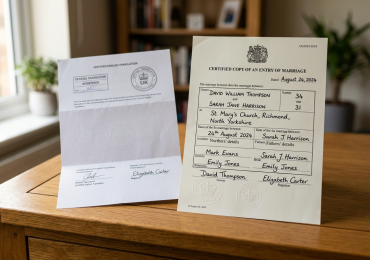
Understanding Certified Translation for School Admission
Certified translation is a specialized service that ensures documents are translated accurately and are accompanied by a signed statement from the translator attesting to their correctness. This type of translation is crucial for individuals seeking admission to schools in the UK, particularly for international students whose educational documents are in a foreign language. Schools and universities require certified translations to maintain academic integrity and ensure that all applicants meet the necessary educational standards.
The importance of certified translation for school admissions in the UK cannot be overstated. Educational institutions need to verify the authenticity and accuracy of the documents submitted by prospective students. A certified translation provides a reliable means of confirming that the content of the original documents—such as transcripts, diplomas, and certificates—has been faithfully rendered in English. This process not only facilitates a smoother admission process but also helps institutions comply with regulatory standards and maintain their reputation for quality education.
Furthermore, many schools in the UK have specific requirements regarding the translation of foreign documents. These requirements can vary significantly from one institution to another, making it essential for students to understand the nuances of certified translations. Failure to provide accurate and certified translations can lead to delays in the admission process, or worse, rejection of applications, which can have significant implications for a student’s educational journey.
Why You Need Certified Translation for School Records
When applying for school admission in the UK, understanding the legal requirements for school records is vital. Many educational institutions mandate that all documents submitted by international students be translated into English by a certified translator. This requirement is not merely a formality; it serves several important functions.
Firstly, certified translations ensure that the educational documents are accurately represented. This is particularly important for transcripts, which contain detailed information about a student’s academic performance, grades, and course descriptions. An inaccurate translation could misrepresent a student’s qualifications, leading to misunderstandings about their academic history and potentially affecting their admission status.
Secondly, institutions often require certified translations to comply with legal standards. The UK government has established guidelines for educational institutions that necessitate the verification of foreign documents. By providing a certified translation, students can demonstrate that they have met these legal requirements, thereby facilitating a smoother admission process.
The consequences of submitting non-certified translations can be severe. Many institutions outright reject applications that do not include certified translations, resulting in lost opportunities for students. Additionally, if discrepancies arise from non-certified translations, it could lead to a loss of credibility for the applicant, affecting future academic and professional prospects.
Moreover, some institutions may require additional documentation or verification processes if they suspect that a translation is not accurate or certified. This can lead to delays in the admission process, which can be particularly detrimental for students who are working against tight deadlines for enrollment. Therefore, investing in certified translation services is not just a matter of compliance; it is an essential step in ensuring a successful admission experience.
Types of Documents Requiring Translation
- School Transcripts: These are official records that detail a student’s academic performance, including grades, courses taken, and credits earned. Schools require certified translations of transcripts to accurately assess an applicant’s qualifications.
- Educational Certificates: Diplomas and certificates from previous educational institutions must also be translated. These documents verify that a student has completed their studies and is eligible for further education.
- Foreign School Documents: Any additional documents that may be relevant to an applicant’s educational history, such as letters of recommendation or special awards, may also need to be translated. These documents help provide a comprehensive view of the student’s academic background.
Each of these document types plays a crucial role in the admission process. Schools rely on certified translations to ensure they have an accurate understanding of an applicant’s educational background, which ultimately influences their decision-making process.
The Process of Translating School Documents
The process of translating school documents into English involves several key steps to ensure accuracy and compliance with the requirements set by educational institutions. Understanding this process can help students navigate their translation needs more effectively.
- Document Preparation: The first step is to gather all necessary documents that require translation. This includes school transcripts, diplomas, and any other relevant educational records.
- Choosing a Certified Translator: Selecting a reliable translation service is crucial. Look for services that specialize in educational document translation and have a proven track record of providing certified translations.
- Translation Process: Once a translator is chosen, they will begin the translation process. This involves accurately translating the content of the documents while maintaining the original meaning and context.
- Certification: After the translation is complete, the translator will provide a signed statement certifying the accuracy of the translation. This certification is essential for the documents to be accepted by educational institutions.
- Review and Submission: Finally, students should review the translated documents to ensure they meet the requirements of the institution they are applying to. Once confirmed, the documents can be submitted as part of the application process.
Choosing a reliable translation service is particularly important in this process. A good service will not only provide accurate translations but also understand the specific requirements of different educational institutions, ensuring that students submit the correct documentation.
How to Choose the Right Translation Service
- Experience and Specialization: Look for a translation service that specializes in educational document translation. Experience in this area can significantly impact the quality and accuracy of the translations.
- Certification and Accreditation: Ensure that the translation service is accredited and provides certified translations. This is essential for the documents to be accepted by educational institutions.
- Client Reviews and Testimonials: Research client reviews and testimonials to gauge the service’s reputation. Positive feedback from previous clients can provide insights into the quality of service.
- Turnaround Time: Consider the time frame required for translation. Ensure that the service can meet your deadlines, especially if you are working against tight admission timelines.
- Cost Transparency: Request a detailed quote to understand the pricing structure. Avoid services that do not provide clear pricing information, as hidden fees can lead to unexpected costs.
Asking the right questions can also help in making an informed decision. Inquire about the translator’s qualifications, the process they follow for quality assurance, and whether they have experience with the specific educational institution you are applying to. This due diligence will help ensure that you select a translation service that meets your needs effectively.
Common Challenges in School Document Translation
- Language Barriers: One of the most significant challenges is the language barrier itself. Translators must not only understand the source language but also have a strong command of English to ensure accurate translations.
- Cultural Nuances: Different cultures may have unique educational terminologies and grading systems. Translators must be aware of these nuances to provide accurate translations that reflect the original meaning.
- Technical Terminology: Educational documents often contain technical terms specific to certain fields of study. Translators must be familiar with these terms to ensure that they are accurately translated and understood by the receiving institution.
- Formatting Issues: Maintaining the original formatting of documents can be challenging during translation. It is essential that the translated documents retain a professional appearance that aligns with the original.
- Legal Requirements: Different institutions may have varying requirements for certified translations. Navigating these requirements can be complex, and students must ensure that their translations meet all necessary criteria.
By being aware of these challenges, students can take proactive steps to mitigate potential issues. Working with experienced translation services that specialize in educational documents can significantly reduce the likelihood of encountering these challenges.
Cost of Certified Translation Services in the UK
The cost of certified translation services in the UK can vary widely based on several factors. Understanding these factors can help students budget effectively for their translation needs.
- Document Type: The type of document being translated can significantly affect the cost. For example, translating a simple diploma may be less expensive than a complex school transcript with detailed course descriptions.
- Length of the Document: The length of the document also plays a crucial role in determining the cost. Longer documents typically require more time and effort to translate, leading to higher fees.
- Language Pair: The language pair involved in the translation can influence pricing. Some languages may have fewer qualified translators available, which can drive up costs.
- Turnaround Time: If a quick turnaround is required, many translation services charge a premium for expedited services. Students should factor this into their budget if they are working against tight deadlines.
- Additional Services: Some translation services may offer additional services, such as formatting or notarization, which can also affect the overall cost.
On average, students can expect to pay anywhere from £30 to £100 per page for certified translations. However, it is essential to obtain quotes from multiple services to compare pricing and ensure that you are getting the best value for your needs.
Tips for a Smooth Admission Process
- Start Early: Begin the translation process as soon as you receive your documents. This will allow ample time for any potential issues to be addressed.
- Organize Your Documents: Keep all documents organized and easily accessible. This will streamline the translation process and ensure that nothing is overlooked.
- Communicate with the Translation Service: Maintain open communication with your chosen translation service. Provide them with any specific requirements from the educational institution to ensure compliance.
- Check Submission Deadlines: Be aware of all submission deadlines for your application. Ensure that your translated documents are completed and submitted on time to avoid any delays in the admission process.
- Prepare for Follow-Up: After submitting your application, be prepared for potential follow-up questions from the institution regarding your documents. Having your original documents on hand can facilitate this process.
By following these tips, students can minimize stress and ensure that their admission process goes as smoothly as possible.
Success Stories: Real Experiences with Certified Translation
Many students have successfully navigated the school admission process in the UK thanks to certified translation services. Their experiences highlight the critical role that accurate translations play in achieving educational goals.
One student, Maria, applied to a prestigious university in London after completing her secondary education in Spain. She needed her school transcripts and diploma translated into English. By using a certified translation service, Maria ensured that her documents were accurately represented. As a result, she was accepted into her desired program and credits her success to the professional translation of her documents.
Another student, Ahmed, faced challenges when applying to a technical college in the UK. His educational background included a variety of specialized courses in Arabic. By working with a translation service that understood the technical terminology, Ahmed was able to present his qualifications clearly. The college appreciated the accuracy of his documents, which contributed to his acceptance into the program.
These success stories illustrate the importance of certified translations in the school admission process. Students who invest in quality translation services often find that their academic aspirations are more easily attainable.
Frequently Asked Questions
What is certified translation?
A translation that is accompanied by a signed statement from the translator attesting to its accuracy.
Why is certified translation important for school admissions?
It ensures that educational documents are accurately translated and accepted by institutions.
What types of documents need certified translation for school admission?
School transcripts, diplomas, and other educational certificates.
How long does the certified translation process take?
It varies based on document complexity and service provider, typically ranging from a few days to a week.
Can I use a non-certified translation for school admission?
Most institutions require certified translations to ensure accuracy and compliance with legal standards.