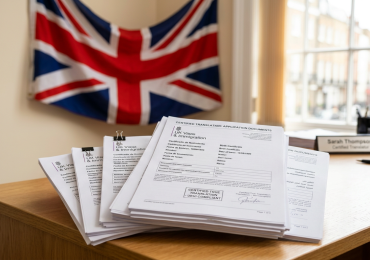
What is FCDO Legalisation?
The Foreign, Commonwealth & Development Office (FCDO) legalisation is a crucial process for individuals and businesses needing to use official documents abroad. This process involves verifying the authenticity of signatures, seals, and stamps on documents issued in the UK, ensuring they are recognized as valid in foreign jurisdictions. FCDO legalisation is particularly important for translated documents, as many countries require that any official document presented to their authorities be legally recognized. Without this legalisation, documents may be deemed invalid, leading to complications in legal matters, immigration processes, or business transactions.
FCDO legalisation serves to protect the integrity of documents and facilitate international transactions. For instance, if a UK citizen is relocating to Spain and needs to present their birth certificate, the Spanish authorities will likely require that the document be legalised by the FCDO. This legalisation process assures the receiving country that the document is genuine and has been issued by a legitimate authority. Moreover, translated documents must not only be translated accurately but also undergo the legalisation process to ensure their acceptance abroad.
In summary, FCDO legalisation is an essential step for anyone looking to use UK-issued documents overseas. It provides a layer of security and trust, ensuring that documents are recognized and accepted in foreign jurisdictions, which is vital for legal and administrative processes.
The FCDO Legalisation Process
The FCDO legalisation process consists of several steps that must be followed to ensure that your documents are properly legalised for use abroad. Below is a step-by-step guide to navigating this process effectively:
- Determine the Need for Legalisation: First, ascertain whether your document requires legalisation. Generally, all official documents intended for use abroad must be legalised. This includes birth certificates, marriage certificates, academic degrees, and business documents.
- Obtain the Required Document: Ensure you have the original document that needs legalisation. If the document is in a foreign language, it must be translated into English by a certified translator before proceeding.
- Certification of Translation: If your document is translated, it must be certified. This certification verifies that the translation is accurate and complete. You can find certified translation services that specialize in this area, such as those listed on our Certified Translation page.
- Submit the Document to the FCDO: Once you have the original and any necessary translations certified, submit your documents to the FCDO for legalisation. This can be done by mail or in person at designated FCDO offices.
- Payment of Fees: Be prepared to pay the required fees for the legalisation service. Fees can vary based on the type of document and the urgency of the service.
- Receive Legalised Document: After processing, the FCDO will return your document with an official stamp or certificate indicating that it has been legalised. This document is now ready for use in the specified foreign jurisdiction.
While the process may seem straightforward, there are common pitfalls to avoid. One frequent mistake is failing to certify translations before submission, which can lead to delays. Additionally, ensure that all documents are complete and accurate; any discrepancies can result in rejection. It is advisable to check the specific legalisation requirements of the country where the document will be used, as these can vary significantly.
Understanding Apostille from FCDO UK
An apostille is a specific type of legalisation that is recognized internationally under the Hague Convention. It provides a simplified method for certifying documents for use abroad, eliminating the need for further legalisation by embassies or consulates. The FCDO issues apostilles for documents that have been properly signed and sealed by a UK authority.
The key difference between an apostille and other legalisation methods lies in its acceptance. An apostille is sufficient for countries that are signatories to the Hague Convention, meaning that once a document has been apostilled, it is automatically recognized in all other member countries. This is particularly advantageous for individuals and businesses dealing with multiple countries, as it streamlines the legalisation process.
In contrast, documents that do not have an apostille may require additional legalisation steps, which can be time-consuming and costly. For example, if a UK document is to be used in a country that is not a Hague member, it may need to be legalised by the FCDO and then further authenticated by the respective embassy.
In summary, understanding the apostille process is essential for anyone looking to use UK documents internationally. It simplifies the legalisation process for many countries, making it a preferred choice for document legalisation.
FCDO Translation Requirements
- Qualified Translators: Translations must be completed by certified translators who are fluent in both the source and target languages. The FCDO typically requires that translators provide proof of their qualifications, such as certifications or professional memberships.
- Accuracy and Completeness: The translation must be an exact representation of the original document, including all details such as names, dates, and signatures. Any omissions or inaccuracies can lead to rejection during the legalisation process.
- Certification of Translation: After translation, the document must be certified by the translator. This certification should state that the translator is competent and that the translation is accurate. Many translation services offer certification as part of their services.
- Document Types: Various types of documents may require translation, including legal documents (contracts, court documents), personal documents (birth certificates, marriage certificates), and academic documents (degrees, transcripts). It is essential to determine which documents need translation based on the requirements of the foreign country.
For example, if you are applying for a visa to a non-English speaking country, you will likely need to provide a certified translation of your birth certificate and any other relevant documents. Ensuring that these translations meet FCDO requirements is vital for a smooth legalisation process.
Document Legalisation for Overseas Use
Legalisation is a necessary step for any official document intended for use outside the UK. Many countries require that documents be legalised to confirm their authenticity, especially in legal, educational, or business contexts. The legalisation process assures foreign authorities that the documents presented are genuine and have been issued by a legitimate UK authority.
Examples of countries that typically require legalisation include:
- Spain: Often requires legalised documents for residency applications, marriage registrations, and other official matters.
- China: Requires legalisation for business contracts and educational documents.
- India: Legalisation is necessary for various personal and business documents, especially for immigration purposes.
Without proper legalisation, documents may be rejected by foreign authorities, leading to delays and complications. It is advisable to research the specific requirements of the country where the document will be used, as these can vary widely. In some cases, additional steps may be necessary, such as obtaining an apostille or further legalisation through the embassy.
Tips for a Successful FCDO Legalisation
To ensure a smooth FCDO legalisation process, consider the following best practices:
- Prepare Documents Early: Start the legalisation process as soon as possible to avoid last-minute issues. Gather all necessary documents and translations well in advance.
- Choose a Reliable Translation Service: Select a translation service with a proven track record in certified translations and legalisation processes. Look for reviews and testimonials to ensure quality.
- Verify Requirements: Research the specific legalisation requirements for the country where your documents will be used. This can save you time and prevent unnecessary complications.
- Double-Check Translations: Ensure that translations are accurate and complete before submission. Any errors can lead to delays or rejections.
- Utilize Expedited Services: If time is of the essence, consider using expedited legalisation services offered by the FCDO or your translation provider.
By following these tips, you can streamline the legalisation process and ensure that your documents are ready for international use without unnecessary delays.
Frequently Asked Questions
What documents need FCDO legalisation?
All official documents intended for use abroad require FCDO legalisation. Translated documents must be certified before legalisation.
How long does the FCDO legalisation process take?
The process typically takes 1-2 weeks; however, expedited services may be available for urgent requests.
Can I legalise documents without translation?
Yes, documents can be legalised without translation if they are in English. Non-English documents require translation before legalisation.
What is the cost of FCDO legalisation?
Costs vary based on document type and the services required. It is advisable to check the FCDO website for the most up-to-date fees.
Do I need an apostille for every country?
No, not all countries require an apostille. It is essential to research the specific requirements of the country where the document will be used.