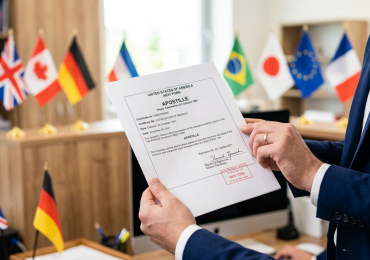
Understanding Notarised and Apostille Translations
Notarised translation and apostille translation are two essential processes often required when dealing with official documents, especially in international contexts. Understanding the definitions and legal implications of each is crucial for individuals and businesses alike.
A notarised translation is a translation of a document that has been certified by a notary public. This certification confirms that the translator is competent and that the translation is a true and accurate representation of the original document. Notarisation adds a layer of authenticity, making the document more credible in legal matters. It is commonly required for various types of documents, including legal contracts, academic transcripts, and personal identification papers.
On the other hand, an apostille translation involves a specific form of authentication that is recognized internationally. The apostille is a certificate that verifies the authenticity of the signature, seal, or stamp on a document. This process is governed by the Hague Convention of 1961, which simplifies the legalisation of documents for use in foreign countries. An apostille is necessary for documents that will be used in a country that is a signatory to the convention, ensuring that the document is accepted without further validation.
The legal implications of notarised and apostille translations vary significantly. While a notarised translation may suffice for domestic use or in countries that accept notarisation, an apostille is mandatory for documents intended for use in countries that require it. This distinction is vital for anyone looking to ensure their documents are legally valid in international scenarios.
Key Differences Between Notarised and Apostille Translations
Understanding the differences between notarised and apostille translations is essential for determining which service is appropriate for your needs. Here are the key distinctions:
- Legal Authority: A notary public is an official appointed by the government to serve as an impartial witness in the signing of important documents. Their role is to prevent fraud and ensure that the parties involved are who they claim to be. In contrast, an apostille is issued by a designated authority, such as the Foreign, Commonwealth & Development Office (FCDO) in the UK, and serves as a form of international recognition.
- Recognition of Documents: Notarised documents may be accepted in some countries, but they are not universally recognized. An apostille, however, is specifically designed for international use, ensuring that documents are accepted in all signatory countries of the Hague Convention.
- Process of Obtaining: The process for obtaining a notarised translation typically involves hiring a certified translator, who then has the document notarised by a notary public. This process can be relatively quick, depending on the availability of the notary. Obtaining an apostille, however, can be more complex. It involves submitting the notarised document to the appropriate authority, which then verifies the notary’s credentials before issuing the apostille. This additional step can extend the timeframe significantly.
Additionally, the costs associated with notarisation and apostille services can vary. Notarisation fees are generally lower, while apostille services may incur higher costs due to the additional verification processes involved.
When to Use Notarised Translation
Notarised translation is often required in specific scenarios where the authenticity of the document is paramount. Here are some common situations where notarised translation is necessary:
- Legal Proceedings: Documents such as contracts, affidavits, and court documents often require notarisation to be deemed valid in legal settings.
- Immigration Applications: When applying for visas or residency, many countries require notarised translations of personal documents, such as birth certificates and marriage licenses.
- Academic Applications: Universities may request notarised translations of academic records to verify the authenticity of the documents submitted by international students.
Common types of documents that are typically notarised include:
- Legal documents (contracts, agreements)
- Personal identification documents (passports, national ID cards)
- Academic records (transcripts, diplomas)
The benefits of notarised translation are numerous. Firstly, it enhances the credibility of the document, as the notary public acts as an impartial witness to the signing and certification process. Secondly, notarised translations can expedite the acceptance of documents in legal and administrative processes, as they provide a guarantee of authenticity. Lastly, notarisation can help prevent disputes regarding the validity of the document, as it serves as a legal safeguard.
When to Use Apostille Translation
Apostille translation is essential when documents are intended for use in foreign countries that are signatories to the Hague Convention. Here are scenarios where apostille translation is typically required:
- International Business Transactions: Companies engaging in cross-border transactions often need to present documents such as contracts and corporate resolutions with an apostille to ensure they are recognized abroad.
- Educational Credentials: Individuals seeking employment or further education in another country may need their academic documents apostilled to validate their qualifications.
- Legal Matters: Documents like powers of attorney, court orders, and divorce decrees may require an apostille when used in foreign jurisdictions.
Documents that are commonly apostilled include:
- Birth certificates
- Marriage certificates
- Legal judgments
The benefits of apostille translation are significant. Firstly, it ensures that documents are universally accepted in countries that are part of the Hague Convention, eliminating the need for further legalisation. This can save time and reduce the complexity of international document handling. Secondly, apostilled documents provide a level of assurance to foreign authorities that the documents are authentic and have been properly verified. Lastly, having an apostille can facilitate smoother transactions and interactions with foreign governments and institutions.
Notary Public vs Apostille in the UK
The role of a notary public in the UK is crucial for individuals and businesses requiring document verification. Notaries are legally trained professionals who can witness signatures, administer oaths, and certify documents. They play a vital role in ensuring that documents are executed correctly and are legally binding.
Apostille services in the UK are managed by the FCDO, which issues apostilles for documents that have been notarised. The process involves submitting the notarised document to the FCDO, where it is verified against the notary’s credentials. This ensures that the document is authentic and can be accepted in other countries.
When comparing costs and timeframes, notarisation is generally quicker and less expensive than obtaining an apostille. Notarisation can often be completed within a few hours or days, depending on the notary’s availability. In contrast, the apostille process can take several days to weeks, depending on the workload of the FCDO and the method of submission (in-person or by post).
For those needing both services, it is advisable to plan ahead, as the combined process can take longer than anticipated. Understanding the specific requirements for each service can help streamline the process and ensure that documents are prepared correctly for their intended use.
Notarised Apostille for Overseas Use
When dealing with international documents, obtaining a notarised apostille is often essential. This process ensures that documents are both notarised and apostilled, making them valid for use in foreign jurisdictions. The importance of this dual certification cannot be overstated, as it facilitates the acceptance of documents in countries that require both forms of validation.
Common countries that require notarised apostille include:
- United States
- Canada
- Australia
- Most European countries
The steps to obtain a notarised apostille typically involve:
- Translation: First, have the document translated by a certified translator if it is not in English.
- Notarisation: Next, take the translated document to a notary public for certification.
- Apostille Application: Finally, submit the notarised document to the FCDO for the apostille.
By following these steps, individuals can ensure that their documents are properly prepared for use overseas, minimizing the risk of rejection or delays in processing.
Frequently Asked Questions
What is the difference between notarised and apostille translation?
Notarised translation is certified by a notary public; apostille is a form of authentication for international use.
When do you need an apostille after notarisation?
An apostille is needed when a notarised document is to be used in a country that is a signatory to the Hague Convention.
What types of documents require notarised translation?
Legal documents, contracts, and personal identification documents often require notarised translation.
Can a notarised document be used instead of an apostille?
No, a notarised document may not be accepted in countries requiring an apostille.
How long does it take to get a notarised translation or apostille?
The timeframe varies; notarisation can take a few days, while obtaining an apostille may take longer depending on the authority.