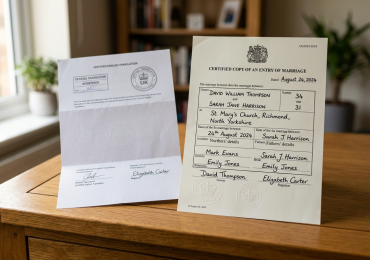
Understanding Translation Types in the UK
In the UK, the need for translation services is increasingly common due to the diverse population and the necessity for individuals and businesses to communicate effectively across languages. Understanding the different types of translation available is essential for ensuring that documents are appropriately handled according to their intended use. The primary types of translation services include certified translations, notarised translations, and apostille translations, each serving distinct purposes and legal requirements.
Choosing the right type of translation is crucial, as it can affect the acceptance of documents by authorities, educational institutions, and other entities. For example, a certified translation is often required for official documents such as birth certificates, marriage certificates, and academic transcripts when applying for visas or residency. Notarised translations, on the other hand, are typically needed for legal documents that require verification by a notary public, ensuring their authenticity. Apostille translations are essential for documents that will be used internationally, as they provide a level of verification recognized by foreign governments.
Moreover, the implications of selecting the wrong type of translation can lead to delays, rejections, or additional costs. Therefore, it is vital to assess the specific requirements of your situation before proceeding. This guide aims to clarify these different translation types and help you navigate the complexities of translation services in the UK.
Certified Translations: What You Need to Know
A certified translation is a translation that comes with a signed statement from the translator or translation service, affirming that the translation is accurate and complete. This type of translation is often required for official documents that need to be submitted to government agencies, educational institutions, or legal entities. Examples of documents that typically require certified translations include:
- Birth certificates
- Marriage certificates
- Academic transcripts
- Legal contracts
- Immigration documents
Certified translations are essential when applying for a UK visa, as the Home Office mandates that all documents not in English must be translated by a certified translator. The certification ensures that the translation meets the necessary legal standards and can be trusted by the reviewing authorities.
When is a certified translation necessary? Generally, any document that will be used for legal or official purposes requires a certified translation. This includes applications for citizenship, residency, or educational admissions. Additionally, if you are submitting documents to the Home Office, it is crucial to ensure that your translations are certified to avoid delays or rejections in your application process. For more detailed information on the requirements for certified translations, you can refer to our guide on Certified Translation for Home Office: Requirements and Tips.
Notarised Translations Explained
Notarised translations involve a translation that has been verified by a notary public. This process adds an extra layer of authenticity, as the notary public confirms the identity of the translator and the accuracy of the translation. Notarised translations are often required for legal documents that need to be presented in court or other legal settings.
Common scenarios where notarised translations are necessary include:
- Legal contracts
- Powers of attorney
- Wills and testaments
- Divorce decrees
In the UK, notarised translations are particularly important when dealing with international legal matters. If you are involved in a legal case that requires documents to be translated and verified, a notarised translation may be essential. This type of translation ensures that the documents are legally binding and accepted by the relevant authorities.
It is important to note that not all translation services offer notarisation. Therefore, when selecting a translation provider, ensure that they can provide notarised translations if required. For more information on the differences between notarised and certified translations, you can check our article on Certified vs Notarised Translation UK: Which Do You Need?.
Apostille Translations: A Complete Guide
An apostille is an international certification that verifies the authenticity of a document for use in foreign countries. This process is governed by the Hague Convention, which simplifies the legalisation of documents for international use. Apostille translations are necessary when you need to present documents in a country that is a member of the Hague Convention.
Documents that commonly require apostille translations include:
- Birth and marriage certificates
- Educational diplomas
- Business documents
To obtain an apostille for your documents, you must follow a specific process:
- Have your documents translated by a certified translator.
- Submit the translated documents to a notary public for notarisation.
- Apply for the apostille through the appropriate government authority, such as the Foreign, Commonwealth & Development Office (FCDO) in the UK.
It is crucial to ensure that your translations are accurate and complete before applying for an apostille, as any discrepancies can lead to delays or rejections. For detailed steps on obtaining an apostille for your documents, refer to our comprehensive guide on Apostille Translation: A Complete Guide.
Comparing Translation Types: Certified vs Notarised vs Apostille
When navigating translation services, understanding the differences between certified, notarised, and apostille translations is vital. Each type serves a unique purpose and is suited to different situations:
- Certified Translations: These are required for official documents submitted to government agencies or educational institutions. They affirm the accuracy of the translation but do not provide legal verification.
- Notarised Translations: These translations are verified by a notary public, adding a layer of authenticity. They are typically required for legal documents that need to be presented in court or other legal settings.
- Apostille Translations: These are necessary for documents that will be used internationally. An apostille verifies the authenticity of the document and is recognized by foreign governments.
Choosing the right type of translation depends on the specific requirements of your situation. For instance, if you are applying for a visa, a certified translation is essential. However, if you are dealing with legal matters that require verification, a notarised translation may be necessary. For documents intended for use in foreign countries, an apostille translation is required.
Choosing the Right Translation Service for Your Needs
Selecting the appropriate translation service is crucial to ensure that your documents are handled correctly. Here are several factors to consider when choosing a translation provider:
- Type of Document: Different documents may require different types of translations. Ensure that the service you choose specializes in the type of translation you need.
- Certification Requirements: Confirm that the translation service can provide the necessary certification, whether it be certified, notarised, or apostille.
- Experience and Expertise: Look for a provider with experience in your specific field, whether it be legal, medical, or academic translations.
- Reviews and Testimonials: Research the provider’s reputation by reading reviews and testimonials from previous clients.
- Turnaround Time: Ensure that the service can meet your deadlines, especially if you require urgent translations.
Asking the right questions can also help you gauge the quality of the service. Consider inquiring about:
- The qualifications of their translators
- Their process for ensuring accuracy
- Any additional services they offer, such as legalisation or notarisation
By carefully evaluating these factors, you can choose a translation service that meets your needs and ensures that your documents are translated accurately and efficiently.
UK Translation Requirements: A Comprehensive Overview
Understanding the legal requirements for translations in the UK is essential, especially if you are dealing with official documents. The requirements can vary significantly depending on the type of document and its intended use. Here are some key points to consider:
- Official Documents: Documents intended for submission to government agencies, such as visa applications or residency permits, typically require certified translations.
- Legal Documents: For documents that will be used in legal proceedings, notarised translations are often necessary to ensure their validity.
- International Use: If you plan to use documents in a foreign country, apostille translations may be required to verify the authenticity of the documents.
Common documents needing translation include:
- Birth and marriage certificates
- Academic transcripts and diplomas
- Legal contracts and agreements
- Medical records
It is advisable to consult with a translation service provider to confirm the specific requirements for your documents. They can guide you through the process and ensure that your translations meet the necessary legal standards.
Frequently Asked Questions
What is a certified translation?
A certified translation is a translation that comes with a signed statement confirming its accuracy.
When do I need a notarised translation?
You need a notarised translation when a document requires legal verification by a notary public.
What is an apostille?
An apostille is an international certification that verifies the authenticity of a document.
How do I choose the right translation service?
Consider the type of document, required certification, and service reviews when choosing the right translation service.
What are the UK translation requirements?
The UK translation requirements vary by document type and purpose, often necessitating certified, notarised, or apostille translations.