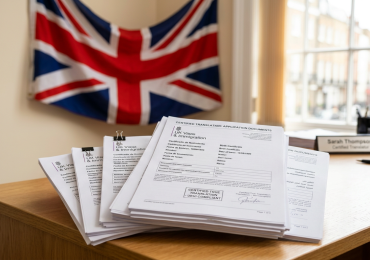
Understanding Russian Document Translation in the UK
Document translation is the process of converting written text from one language to another while maintaining its original meaning and context. In the UK, accurate translation of documents is crucial, particularly for legal, immigration, and academic purposes. For Russian speakers, this means ensuring that all documents are translated into English accurately and are compliant with UK standards. This is especially important as inaccuracies can lead to misunderstandings, legal issues, or delays in processing applications.
In the context of immigration, for instance, the UK Home Office requires precise translations of various documents to assess the eligibility of applicants. These translations must not only convey the correct information but also adhere to specific formatting and certification standards set by UK authorities. Therefore, engaging a professional translation service that specializes in Russian document translation is essential to avoid potential pitfalls that could jeopardize your immigration status or legal standing.
Moreover, the importance of accurate translations extends beyond legal requirements. They also play a vital role in personal matters, such as marriage, education, and employment. For example, when applying for a job or enrolling in a university, having your qualifications and personal documents translated accurately can significantly impact your opportunities in the UK.
Why You Need Russian Document Translation for UK Immigration
The UK immigration process is stringent, requiring applicants to submit a variety of documents to support their applications. This includes proof of identity, relationship status, educational qualifications, and financial stability. For Russian nationals, this often means that documents originally in Russian must be translated into English to meet the requirements set forth by the UK Visas and Immigration (UKVI).
Some of the specific documents that typically require translation include:
- Birth Certificates: Essential for proving identity and age.
- Marriage Certificates: Required for spouse visa applications or family reunification.
- Academic Transcripts and Diplomas: Necessary for university admissions or professional registrations.
- Legal Documents: Such as court orders or custody agreements, which may be needed for various legal proceedings.
Failure to provide properly translated documents can result in application delays, refusals, or even deportation. Therefore, understanding the importance of accurate Russian document translation for UK immigration is paramount for a smooth transition into life in the UK.
Types of Russian Documents Commonly Translated for the UK
When it comes to immigration and legal processes, certain types of Russian documents are frequently translated for use in the UK. Understanding these documents can help streamline the translation process and ensure compliance with UK regulations.
Commonly translated documents include:
- Birth and Marriage Certificates: These documents are often required for family-related immigration applications. They must be translated accurately to reflect the original information.
- Academic Transcripts and Diplomas: For individuals seeking to further their education or gain employment in the UK, these documents must be translated to demonstrate qualifications and educational background.
- Legal Documents and Contracts: This category includes agreements, court documents, and other legal papers that may be necessary for various legal processes in the UK.
Each of these documents requires careful handling to ensure that the translation is not only accurate but also meets the specific requirements of the UKVI. Engaging a certified translation service that specializes in these types of documents can help ensure that all translations are compliant and accepted by UK authorities.
The Process of Translating Russian Documents for UKVI
The process of translating Russian documents for UK Visas and Immigration (UKVI) involves several critical steps to ensure that the translations are accurate and compliant with UK regulations. Here’s a detailed breakdown of the process:
- Document Assessment: The first step is to assess the documents that need translation. This includes understanding the type of document, its purpose, and any specific requirements set by UKVI.
- Selection of a Certified Translator: It is crucial to choose a translator who is certified and experienced in translating Russian documents. They should be familiar with the terminology and formatting required by UK authorities.
- Translation: The translator will then convert the document into English, ensuring that all information is accurately represented. This includes maintaining the original meaning, context, and formatting.
- Certification: After translation, the document must be certified. This involves the translator providing a signed statement confirming the accuracy of the translation and their qualifications.
- Delivery: Finally, the translated and certified documents are delivered to the client, ready for submission to UKVI.
Understanding this process can help applicants navigate the complexities of document translation and ensure that their submissions meet all necessary requirements.
Russian Visa Document Translation: What You Should Know
When applying for a visa to the UK, specific documents must be translated from Russian to English to comply with UKVI requirements. Different types of visas may have varying document requirements, making it essential to understand what is needed for your particular application.
Common types of visas requiring document translation include:
- Spouse Visa: Applicants must provide translated marriage certificates, birth certificates, and proof of financial stability.
- Student Visa: Translations of academic transcripts and diplomas are often required to prove educational qualifications.
- Work Visa: Employment contracts and references may need to be translated to demonstrate job offers and qualifications.
It’s also important to be aware of common pitfalls during the translation process. These include:
- Using Non-Certified Translators: UKVI requires certified translations. Using non-certified translators can lead to application rejections.
- Incomplete Translations: Ensure that all parts of the document are translated, including signatures, stamps, and any additional notes.
- Ignoring Formatting Requirements: Translations must adhere to specific formatting standards set by UKVI, which can vary by document type.
Being informed about these aspects can help applicants avoid delays and ensure a smoother visa application process.
Working with Professional Translators for Russian Home Office Translation
Engaging a professional translator for Russian document translation is critical, especially when dealing with the UK Home Office. Certified translation services provide several benefits that can enhance the quality and reliability of your translations.
Some key benefits include:
- Expertise: Professional translators are trained and experienced in handling legal and immigration documents, ensuring accuracy and compliance with UK standards.
- Certification: Certified translation services provide the necessary certification required by UKVI, which is essential for immigration applications.
- Timeliness: Professional services often have established processes that allow for quicker turnaround times, which is crucial when dealing with immigration deadlines.
When choosing a translator, consider the following criteria:
- Qualifications: Look for translators with relevant certifications and experience in immigration-related translations.
- Reviews and Testimonials: Check for positive feedback from previous clients to gauge reliability and quality.
- Specialization: Ensure the translator specializes in Russian document translation and understands the nuances of UK immigration requirements.
By selecting the right professional translator, you can enhance the accuracy and acceptance of your translated documents by the Home Office.
Cost Considerations for Russian Document Translation in the UK
The cost of translating Russian documents can vary significantly based on several factors. Understanding these factors can help you budget effectively for your translation needs.
Key factors influencing translation costs include:
- Document Type: Different documents may have different pricing structures. For instance, legal documents often require more specialized knowledge and may cost more than standard personal documents.
- Length and Complexity: Longer and more complex documents typically incur higher costs due to the additional time and effort required for accurate translation.
- Urgency: If you need a quick turnaround, many translation services offer expedited options at an additional cost.
On average, translation costs for Russian documents in the UK can range from £30 to £100 per page, depending on the factors mentioned above. It’s advisable to obtain quotes from multiple translation services to find a competitive rate while ensuring quality and certification.
Frequently Asked Questions about Russian Document Translation
What documents need to be translated for UK immigration?
Documents that typically need translation include birth certificates, marriage certificates, academic records, and legal documents.
How long does it take to translate Russian documents?
The time required for translation depends on the document’s length and complexity; typically, standard documents take about 3-5 business days.
Can I use a non-certified translator for UKVI submissions?
No, UKVI requires certified translations for all submissions to ensure accuracy and compliance with legal standards.
What is the cost of translating Russian documents in the UK?
Costs vary based on document type, length, and urgency; average rates range from £30 to £100 per page.
How do I find a reliable Russian translator in the UK?
Look for certified translation services with positive reviews and experience in immigration documents to ensure quality and compliance.