Understanding Student Visa Document Translation Requirements
Applying for a student visa in the UK involves a comprehensive understanding of various requirements, particularly when it comes to documentation. The UK student visa, specifically the Tier 4 visa, necessitates that applicants provide a range of documents that must be accurately translated into English if they are originally in another language. This requirement is crucial as it ensures that all submitted documents are understood clearly by the UK Visas and Immigration (UKVI) authorities, facilitating a smoother application process.
The importance of accurate document translation cannot be overstated. Mistranslations or incomplete translations can lead to significant delays in the visa application process or, in the worst-case scenario, result in the rejection of the application. For example, if an academic transcript is inaccurately translated, it may not reflect the applicant’s true qualifications, leading to misunderstandings about their eligibility for the course they intend to pursue. Therefore, ensuring that all documents are translated by a certified translator who understands the specific requirements of UKVI is essential.
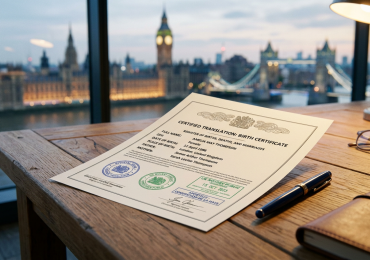
Moreover, the UKVI has established clear standards for document translation, emphasizing the need for certified translations. This means that the translator must provide a declaration confirming that the translation is accurate and complete. Such certifications not only enhance the credibility of the documents but also reassure the UKVI that the applicant has met all necessary requirements. Understanding these translation requirements is the first step towards successfully navigating the student visa application process in the UK.
Types of Documents Required for UK Student Visa
When applying for a UK student visa, applicants must prepare a comprehensive set of documents. These documents serve to verify the applicant’s identity, academic history, financial stability, and English language proficiency. Below is a detailed list of essential documents typically required:
- Passport: A valid passport is the primary identification document required.
- Confirmation of Acceptance for Studies (CAS): This document is issued by the educational institution and confirms that the applicant has been accepted to study a specific course.
- Proof of English proficiency: This can include IELTS scores or other recognized English language tests.
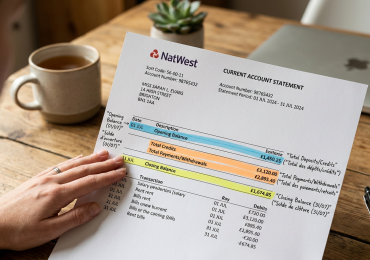
- Financial statements: Applicants must demonstrate that they have sufficient funds to cover tuition fees and living expenses.
- Academic transcripts: These documents provide evidence of previous education and qualifications.
- Personal statement: A written statement explaining the applicant’s motivations for studying in the UK.
- Biometric information: Applicants may need to provide fingerprints and photographs as part of the application process.
Among these documents, several will require translation into English. Specifically, academic transcripts, financial statements, and any other documents not originally in English must be translated by a certified translator. This ensures that the UKVI can accurately assess the applicant’s qualifications and financial status without ambiguity.
The Process of Translating Documents for a UK Student Visa
The process of translating documents for a UK student visa involves several critical steps to ensure compliance with UKVI requirements. Here’s a structured approach:
- Identify Required Documents: Begin by listing all documents that require translation. This includes academic records, proof of English proficiency, and financial statements.
- Choose a Certified Translator: It is crucial to select a translator or translation service that is certified and familiar with UKVI requirements. Look for accreditation from recognized bodies, such as the Association of Translation Companies (ATC) or the Institute of Translation and Interpreting (ITI).
- Provide Clear Instructions: When submitting documents for translation, provide clear instructions regarding the intended use of the documents. This helps the translator understand the context and specific requirements for the UKVI.
- Review Translations: Once the translations are completed, review them for accuracy and completeness. It may be beneficial to have a second translator verify the work.
- Obtain Certification: Ensure that the translator provides a signed statement confirming that the translation is accurate and complete. This certification is a requirement for submission to UKVI.
- Submit Translated Documents: Finally, include the certified translations with your visa application, ensuring that all documents are organized and submitted according to UKVI guidelines.
By following these steps, applicants can ensure that their documents are accurately translated and meet the necessary standards set by the UKVI, thereby reducing the risk of complications during the visa application process.
Tier 4 Visa Translation: What You Need to Know
The Tier 4 visa is specifically designed for international students wishing to study in the UK. This visa category has distinct requirements concerning document translation that applicants must adhere to. Here are the key aspects to consider:
- All Documents Must Be in English: Any document submitted as part of the Tier 4 visa application must be in English. If the original document is in another language, a certified translation must accompany it.
- Certification of Translations: Translations must be certified by a qualified translator. The translator should provide a statement confirming that the translation is accurate and complete, along with their qualifications and contact information.
- Common Pitfalls: Many applicants make the mistake of using unqualified translators or failing to include the necessary certification. This can lead to delays or rejections of the visa application. It is essential to avoid these pitfalls by ensuring that all translations are conducted by accredited professionals.
Additionally, applicants should be aware that the UKVI may request further information or clarification regarding the translated documents. Being prepared with accurate and certified translations can help streamline this process and improve the chances of a successful visa application.
Student Visa Translation Checklist for the UK
Creating a checklist for document preparation is an essential step in the student visa application process. This checklist should encompass all necessary documents and ensure that translations meet UKVI standards. Here’s a comprehensive checklist to guide applicants:
- Gather Original Documents: Collect all original documents that require translation.
- Verify Translation Requirements: Confirm which documents need to be translated into English.
- Choose a Certified Translator: Select a translator with the appropriate qualifications and experience in UKVI requirements.
- Request Translations: Submit documents to the translator with clear instructions regarding the purpose of the translations.
- Review Translations: Check the translated documents for accuracy and completeness.
- Obtain Certification: Ensure the translator provides a certification statement for each translated document.
- Organize Documents: Compile all original and translated documents in the order required by the UKVI.
- Submit Application: Complete the visa application form and submit all documents, including translations, as per UKVI guidelines.
Verification of translated documents is crucial. Applicants should double-check that all translations are accurate and that the certification meets the requirements set by UKVI. This thorough preparation can significantly enhance the likelihood of a successful student visa application.
Academic Document Translation for Student Visa Applications
Academic documents play a pivotal role in the student visa application process. These documents not only demonstrate the applicant’s educational background but also help UKVI assess their qualifications for the intended course of study. Here are the types of academic documents typically required and the standards for their translation:
- Degree Certificates: Translations of degree certificates must accurately reflect the title of the degree, the institution, and the date of conferral.
- Transcripts: Academic transcripts should detail all courses taken, grades received, and the overall GPA. Accurate translation of these details is essential for proper evaluation.
- Letters of Recommendation: If required, these letters should be translated to reflect the recommender’s comments and the applicant’s achievements.
- Course Descriptions: Translations of course descriptions may be necessary to provide context about the applicant’s academic background.
Standards for academic translations require that the translator be familiar with educational terminology and the specific requirements of UKVI. It is advisable to choose a translator with experience in academic document translation to ensure that all nuances are captured accurately. Additionally, the translator should provide a certification statement confirming the accuracy of the translation, which is critical for the visa application.
UKVI Translation Guide for Student Visas
Understanding the UKVI requirements for document translation is vital for any student visa applicant. The UKVI has specific guidelines that must be followed to ensure that translations are accepted without issues. Here are some key points to consider:
- Language Requirement: All documents not originally in English must be translated into English. This includes academic documents, financial statements, and any other relevant paperwork.
- Certification Standards: Translations must be certified by a qualified translator. The certification should include the translator’s name, signature, and contact information, along with a statement confirming the accuracy of the translation.
- Document Format: Translated documents should be presented in a clear and legible format. It is recommended to use official letterhead if available, as this adds credibility to the translation.
- Submission Guidelines: Translations must be submitted alongside the original documents in the visa application. Ensure that they are organized and labeled appropriately to facilitate the review process by UKVI.
To ensure compliance with UKVI standards, applicants should consider consulting with a translation service that specializes in immigration documents. This can help avoid common mistakes and ensure that all translations meet the required criteria for a successful student visa application.
Common FAQs About Student Visa Document Translation
What documents need to be translated for a UK student visa?
Applicants must translate several key documents for a UK student visa, including:
- Academic transcripts
- Proof of English proficiency
- Financial statements
How do I choose a certified translator for my documents?
To choose a certified translator, consider the following:
- Look for accreditation from recognized organizations.
- Check reviews and testimonials from previous clients.
- Ensure the translator is familiar with UKVI requirements.
What is the Tier 4 visa translation requirement?
For the Tier 4 visa, all documents must be in English. Translations must be certified and accurate, with a statement from the translator confirming their validity.
Is there a checklist for student visa document translation?
Yes, a checklist should include:
- All necessary documents for translation
- Verification of translation accuracy
- Compliance with UKVI requirements
How long does the document translation process take?
The duration of the document translation process can vary based on the type of document. Typically, it ranges from a few days to several weeks, so planning ahead is crucial to avoid delays.