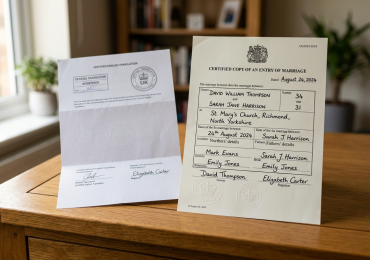
Understanding the EEA Family Permit
The EEA Family Permit is a crucial document for non-EEA nationals who wish to join or accompany their EEA family members in the UK. This permit allows family members of EEA nationals to reside in the UK, facilitating family unity and support. It is particularly important for individuals from outside the EEA who are looking to live with their partners, children, or other family members who are EEA citizens.
To be eligible for an EEA Family Permit, applicants must meet specific criteria. Firstly, the applicant must be a non-EEA national and must be a family member of an EEA national who is residing or planning to reside in the UK. Family members can include spouses, civil partners, children, and dependent relatives. Additionally, the EEA national must be exercising their treaty rights in the UK, which means they are working, studying, or self-sufficient.
Eligibility also extends to extended family members, which includes siblings, cousins, and other relatives, provided they can demonstrate dependency on the EEA national. Applicants must provide evidence of their relationship with the EEA national, such as marriage certificates or birth certificates. Importantly, the application must be made while the EEA national is living in the UK, and the family member must apply for the permit before entering the UK.
In summary, the EEA Family Permit serves as a vital entry point for non-EEA nationals wishing to join their EEA family members in the UK, ensuring that families can remain together and thrive in their new environment.
Importance of Document Translation for EEA Family Permit
When applying for an EEA Family Permit, accurate document translation is not just recommended; it is a legal requirement. The UK Home Office mandates that all supporting documents submitted with the application must be in English. This includes essential documents such as passports, marriage certificates, and birth certificates. Therefore, non-English documents must be translated into English by a certified translator to ensure compliance with the application process.
Improper translations can lead to significant consequences. If the Home Office finds that a document is not accurately translated, it can result in delays, requests for additional information, or even outright rejection of the application. Such outcomes can be detrimental, especially for families eager to reunite. For instance, a simple mistranslation of a name or date could lead to questions about the authenticity of the relationship, jeopardizing the entire application.
Moreover, the stakes are particularly high when it comes to legal documents. The translation must not only be accurate but also convey the original document’s intent and meaning. This is where professional translation services come into play. They ensure that all nuances and legal terminologies are correctly interpreted, thereby reducing the risk of complications in the application process.
In summary, ensuring that documents are accurately translated is a critical step in the EEA Family Permit application process. It safeguards against potential pitfalls and enhances the chances of a successful application, allowing families to reunite without unnecessary delays.
EEA Family Permit Translation Requirements
When preparing to apply for the EEA Family Permit, it is essential to understand the specific translation requirements set forth by the UK Home Office. Not all documents require translation, but those that do must meet certain criteria to be accepted.
Firstly, the types of documents that typically need translation include:
- Passports: The primary identification document for the applicant.
- Marriage Certificates: Required to prove the relationship between the applicant and the EEA national.
- Birth Certificates: Necessary for children applying under the permit.
- Proof of Relationship: This can include photographs, correspondence, or any other documentation that demonstrates the ongoing relationship.
- Financial Documents: If applicable, to show the EEA national’s ability to support the family member.
Each of these documents must be translated into English by a certified translator. The translation must include a signed statement from the translator confirming that the translation is accurate and complete. This statement is crucial as it serves as a form of verification for the Home Office.
In addition to the types of documents, there are specific language requirements for translations. The translated documents must be clear, legible, and formatted in a way that mirrors the original documents. This includes maintaining the same order and structure, which helps in cross-referencing during the application review process.
Furthermore, the Home Office may also require that the translation includes the translator’s qualifications, contact information, and details about their certification. This information is essential for the Home Office to verify the authenticity of the translation and the translator’s credentials.
In conclusion, understanding the translation requirements for the EEA Family Permit is vital. Ensuring that all necessary documents are accurately translated and presented in the required format will significantly enhance the likelihood of a successful application.
How to Translate Documents for EEA Family Permit
The process of translating documents for the EEA Family Permit involves several critical steps to ensure compliance with the UK Home Office requirements. Here’s a detailed guide on how to prepare your documents for translation:
- Identify Required Documents: Begin by compiling all necessary documents that need translation, including passports, marriage certificates, and any other relevant paperwork.
- Choose a Certified Translator: It is crucial to select a translator or translation service that is certified and experienced in legal translations. Look for providers who specialize in immigration-related documents to ensure they understand the specific requirements.
- Provide Clear Instructions: When submitting your documents for translation, provide clear instructions regarding the required format and any specific details that need to be included in the translation. This may involve specifying the need for a certification statement.
- Review Translations: Once the translations are completed, review them carefully to ensure accuracy. Check for any discrepancies or errors that could affect the application.
- Obtain Certification: Ensure that the translator provides a signed certification statement confirming the accuracy of the translation. This statement is essential for the Home Office review process.
- Submit Translations with Application: Finally, include the certified translations with your EEA Family Permit application. Ensure that they are organized and presented in a clear manner.
Choosing a certified translation service is paramount in this process. A reputable service will not only provide accurate translations but will also understand the nuances of legal terminology and the specific requirements of the Home Office. This can save applicants significant time and stress during the application process.
In summary, translating documents for the EEA Family Permit requires careful preparation and attention to detail. Following these steps will help ensure that your application is complete, accurate, and compliant with the necessary regulations.
EU Family Member Translation in the UK
Translating documents for EU family members applying for residency in the UK involves specific considerations that differ slightly from those for non-EU family members. While the core requirements remain similar, there are nuances to be aware of.
For EU family members, the types of documents typically required include:
- Proof of Identity: Such as a passport or national ID card.
- Proof of Relationship: Documents like marriage or birth certificates to establish the familial relationship.
- Residency Evidence: If applicable, documents that demonstrate the EU national’s residency in the UK.
One key difference in the translation process for EU family members is the potential for specific language requirements based on the country of origin. For example, translations from certain languages may require additional verification or specific formatting to meet UK standards. It is essential to consult with a certified translation service familiar with these requirements to ensure compliance.
Additionally, while the Home Office requires certified translations for all documents, EU family members may also need to provide additional context or explanations for certain documents, especially if they originate from countries with different legal systems. This can include notarized translations or additional certification from legal authorities in the country of origin.
In conclusion, while the translation process for EU family members shares similarities with that of non-EU family members, it is crucial to be aware of the specific requirements and potential nuances involved. Engaging a certified translation service with expertise in immigration matters can greatly facilitate this process.
EEA Permit Document Translation Process
The translation process for EEA permit documents is a structured procedure that ensures all necessary documentation is accurately translated and certified. Understanding this process can help applicants navigate their applications more smoothly.
Here’s an overview of the translation process:
- Document Collection: Gather all documents that require translation. This includes personal identification, relationship evidence, and any supporting documents relevant to the application.
- Selection of a Translation Service: Choose a reputable translation service that specializes in immigration documents. Verify their credentials and ensure they are certified to provide translations for UK immigration purposes.
- Translation Execution: The translation service will begin translating the documents. This step involves not only translating the text but also ensuring that the legal terminology is accurately represented.
- Quality Assurance: After translation, the documents typically undergo a quality assurance process to verify accuracy and completeness. This may involve additional checks by a second translator or an editor.
- Certification: Once the translations are finalized, the translator will provide a certification statement. This document confirms that the translations are accurate and complete, which is a requirement for submission to the Home Office.
- Delivery of Translated Documents: The completed translations, along with the certification statement, will be delivered to the applicant. It is essential to review these documents for any errors before submission.
Regarding timeline and costs, the translation process typically takes between 3 to 5 business days, depending on the volume of documents and the complexity of the translations. Costs can vary significantly based on the service provider, the number of documents, and the urgency of the request. It is advisable to obtain quotes from multiple translation services to ensure competitive pricing.
In summary, understanding the EEA permit document translation process is essential for applicants. By following the outlined steps and engaging a certified translation service, applicants can ensure that their documents are accurately translated and compliant with UK requirements.
Choosing the Right Translation Service
Selecting the appropriate translation service is crucial for the success of your EEA Family Permit application. The right service can make a significant difference in the accuracy and quality of your translations, ultimately impacting the outcome of your application.
When considering a translation service, here are some key factors to evaluate:
- Certification: Ensure that the translation service is certified and recognized by the UK Home Office. This guarantees that they adhere to the necessary standards for legal translations.
- Experience: Look for a service with experience in translating immigration documents. Familiarity with the specific requirements of the Home Office can streamline the process and reduce the likelihood of errors.
- Reviews and Testimonials: Research client reviews and testimonials to gauge the service’s reputation. Positive feedback from previous clients can provide insight into the quality and reliability of the service.
- Turnaround Time: Inquire about the typical turnaround time for translations. Ensure that the service can meet your deadlines, especially if you are working within a tight timeframe.
- Cost Transparency: Request a detailed quote that outlines all costs associated with the translation services. Be wary of hidden fees that may arise during the process.
Using certified translation services offers several benefits, including:
- Accuracy: Certified translators are trained to provide precise translations that maintain the integrity of the original documents.
- Legal Compliance: Certified translations meet the legal requirements set by the Home Office, reducing the risk of application rejection due to translation errors.
- Peace of Mind: Engaging a professional service allows applicants to focus on other aspects of their application, knowing that their translations are in capable hands.
In conclusion, choosing the right translation service is essential for a successful EEA Family Permit application. By considering the factors outlined above, applicants can ensure they select a service that meets their needs and enhances their chances of a successful application.
Common Challenges in EEA Family Permit Translations
One of the most significant challenges is the language barrier. Many applicants may be dealing with documents in languages that are not widely spoken in the UK. This can lead to difficulties in finding qualified translators who are not only fluent in the source language but also proficient in legal English. Mistranslations or misinterpretations can easily occur if the translator lacks the necessary expertise.
Another challenge is the cultural nuances that may not translate directly. Certain phrases or concepts may have specific meanings in one culture that do not exist in another. This can lead to confusion or misrepresentation of the original intent of the document. For example, a term used in a marriage certificate may have different legal implications in different countries, which must be accurately conveyed in the translation.
Additionally, dealing with complex legal terminology can be daunting. Legal documents often contain jargon that requires a deep understanding of both the source and target languages. If the translator is not well-versed in legal terms, there is a risk of inaccuracies that could jeopardize the application process.
To mitigate these challenges, it is advisable to work with translation services that specialize in legal and immigration documents. These services are equipped to handle the intricacies of legal language and cultural context, ensuring that translations are both accurate and compliant with UK requirements.
In summary, while there are common challenges in EEA Family Permit translations, awareness and preparation can help applicants navigate these obstacles effectively. Engaging a qualified translation service is a key step in overcoming these challenges and ensuring a successful application.
Conclusion and Next Steps
Frequently Asked Questions
What documents need to be translated for an EEA family permit?
Documents that need to be translated for an EEA family permit include the passport, marriage certificate, birth certificate, and proof of relationship.
How do I ensure my translation is accepted by UK authorities?
To ensure your translation is accepted by UK authorities, use a certified translation service and check for accuracy and completeness in the translations.
What is the cost of translating documents for an EEA family permit?
The cost of translating documents for an EEA family permit varies by service provider, document type, and urgency of the request.
Can I translate my own documents for the EEA family permit?
No, translations must be done by a certified translator to be accepted by the UK Home Office.
How long does it take to translate documents for an EEA family permit?
Typically, it takes 3-5 business days to translate documents for an EEA family permit, depending on the service provider.