Understanding Certified Translation
Certified translation is a crucial service for individuals and businesses needing accurate translations of official documents. In the UK, certified translations are often required for legal, immigration, and academic purposes. This guide will help you navigate the essential factors to consider when selecting a certified translation provider.
Why Choose a Certified Translation Provider?
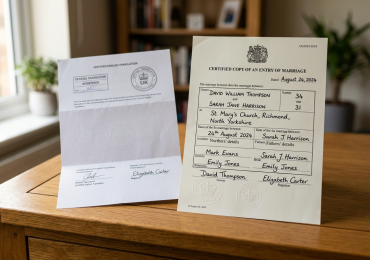
Choosing a certified translation provider ensures that your documents are translated accurately and meet the necessary legal standards. Certified translations come with a signed statement from the translator or translation agency, affirming the accuracy of the translation. This is particularly important for documents such as birth certificates, marriage certificates, and legal contracts.
Key Qualities of a Certified Translation Provider
1. Accreditation and Qualifications
When selecting a certified translation provider, it is essential to check their accreditation. Look for providers who are members of recognized professional bodies such as the Institute of Translation and Interpreting (ITI) or the Association of Translation Companies (ATC). These memberships often indicate adherence to industry standards and ethical practices.
2. Expertise in Relevant Fields
Different documents require different levels of expertise. For example, legal documents may require a translator with a legal background, while medical documents should be handled by someone with medical knowledge. Ensure that the provider has translators who specialize in the specific field relevant to your documents.
3. Quality Assurance Processes
A reputable translation provider should have robust quality assurance processes in place. This includes proofreading and editing by a second translator to ensure accuracy and consistency. Ask about their quality control measures before making a decision.
4. Experience and Reputation
Experience matters in the translation industry. Look for providers with a proven track record and positive client testimonials. Online reviews and case studies can provide insight into their reliability and quality of service.
5. Customer Support
Effective communication is vital when working with a translation provider. Choose a company that offers excellent customer support, ensuring that you can easily reach them for queries or updates on your project.
6. Turnaround Times
Consider the turnaround times offered by the translation provider. If you have urgent documents, ensure they can meet your deadlines without compromising quality. Some providers offer same-day services for urgent translations.
Certified Translation Provider Checklist
To help you evaluate potential certified translation providers, here’s a checklist of essential criteria:
- Accreditation from recognized bodies
- Specialization in relevant fields
- Quality assurance processes
- Positive client testimonials and case studies
- Responsive customer support
- Ability to meet deadlines
Understanding Translation Service Quality in the UK
Translation service quality can vary significantly between providers. To ensure you receive high-quality translations, consider the following:
1. Native Language Speakers
Choose a provider that employs native speakers of the target language. This ensures that cultural nuances and idiomatic expressions are accurately conveyed.
2. Use of Technology
Many translation providers use advanced technology, such as translation memory and terminology databases, to enhance consistency and efficiency. Inquire about the tools they use to ensure high-quality outputs.
3. Continuous Professional Development
Translation is an evolving field. A good provider encourages their translators to engage in continuous professional development, ensuring they stay updated with industry trends and best practices.
Trust Signals for Certified Translation Providers
Trust signals can help you gauge the reliability of a translation provider. Look for:
- Client testimonials and case studies
- Accreditations and certifications
- Memberships in professional organizations
- Transparent pricing structures
- Clear privacy policies
Cost Considerations for Certified Translation
The cost of certified translation services can vary based on several factors, including the complexity of the document, the language pair, and the turnaround time. It’s essential to obtain quotes from multiple providers to compare pricing. However, be cautious of prices that seem too low, as they may indicate lower quality.
FAQs
1. What is a certified translation?
A certified translation is a translation that comes with a signed statement from the translator or agency, affirming its accuracy and completeness.
2. When do I need a certified translation?
You typically need a certified translation for legal, immigration, and academic documents.
3. How long does a certified translation take?
The turnaround time for certified translations varies by provider and document complexity. Some providers offer same-day services.
4. How much does certified translation cost in the UK?
Costs can vary widely based on factors like document type and language pair. It’s best to request quotes from multiple providers.
5. Can I translate my own documents for certification?
No, self-translations are generally not accepted for certified translations. You must use a qualified translator or agency.
Conclusion
Choosing the right certified translation provider is essential for ensuring your documents are accurately translated and accepted by relevant authorities. By considering the factors outlined in this guide, you can make an informed decision that meets your needs.