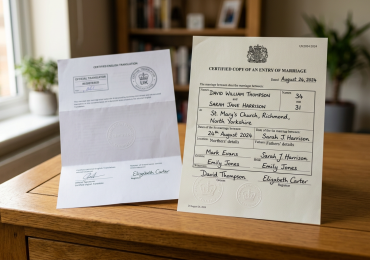
Understanding Certified Translation for Home Office
Certified translation is a specialized form of translation that ensures the accuracy and authenticity of documents for official use. This type of translation is particularly crucial when dealing with immigration matters, as it provides assurance that the translated documents are a true representation of the original text. In the context of the Home Office, certified translations are often required for various documents submitted as part of visa applications, residency permits, and other immigration processes.
The importance of certified translation for immigration cannot be overstated. Many applicants are required to submit documents such as birth certificates, marriage certificates, academic transcripts, and legal documents, all of which must be translated into English if they are originally in another language. The Home Office mandates that these translations meet specific standards to be accepted. A certified translation not only conveys the content of the document accurately but also includes a declaration from the translator attesting to their qualifications and the fidelity of the translation. This declaration acts as a guarantee that the translation is complete and accurate, which is essential for the Home Office’s review process.
Furthermore, failing to provide a certified translation can lead to significant delays in the application process or even rejection of the application altogether. Therefore, understanding the requirements and ensuring that all translations are certified is vital for anyone navigating the immigration system in the UK.
Home Office Translation Requirements
The Home Office has specific requirements regarding which documents need certified translation and the standards that must be adhered to. Generally, the following documents are commonly required to be translated:
- Birth Certificates: Essential for proving identity and citizenship.
- Marriage Certificates: Required for applications involving family reunification or spousal visas.
- Academic Transcripts: Necessary for students applying for study visas.
- Legal Documents: Such as divorce decrees, police certificates, and court orders, which may be needed for various legal purposes.
- Employment Letters: Often required for work visa applications to validate employment history.
Each document type has specific requirements that must be met for the translation to be accepted. For instance:
- Birth and Marriage Certificates: Must include a statement from the translator confirming their qualifications and the accuracy of the translation.
- Academic Transcripts: Should be translated in full, including grades and any official seals or stamps.
- Legal Documents: Must be translated with precise legal terminology to ensure clarity and compliance with legal standards.
It is crucial to consult the Home Office guidelines or a certified translation service to ensure that all requirements are met. This proactive approach can save time and prevent complications during the application process.
Home Office Certified Translation Format
The format of a certified translation is essential for its acceptance by the Home Office. A standard certified translation should include several key elements:
- Translator’s Statement: A signed declaration by the translator confirming that the translation is accurate and complete.
- Translator’s Qualifications: Information about the translator’s credentials, including any relevant certifications or memberships in professional bodies.
- Contact Information: The translator’s name, address, phone number, and email address must be included for verification purposes.
- Date of Translation: The date when the translation was completed should be clearly stated.
Additionally, the translated document should be formatted in a way that mirrors the original document as closely as possible. This includes maintaining the layout, font styles, and any official seals or signatures. The Home Office prefers translations that are easy to read and understand, so clarity is paramount.
It is advisable to use a professional translation service that specializes in certified translations to ensure compliance with these format requirements. This can significantly reduce the risk of rejection due to formatting issues.
Home Office Document Translation Rules
When translating personal documents for submission to the Home Office, several rules must be followed to ensure that the translations are accepted. These rules include:
- Accuracy: The translation must be a true and faithful representation of the original document. Any errors or omissions can lead to complications in the application process.
- Clarity: The translated document should be clear and legible. Poorly formatted or difficult-to-read translations can result in delays or rejections.
- Terminology: Using appropriate terminology is crucial, especially for legal and academic documents. Misinterpretations can lead to misunderstandings and affect the outcome of the application.
- Certification: All translations must be certified by a qualified translator. The Home Office does not accept translations done by the applicant or unqualified individuals.
Common mistakes to avoid include:
- Inaccurate Translations: Ensure that all names, dates, and important details are translated correctly.
- Omitting Required Information: Always include the translator’s statement and contact details.
- Using Non-Standard Formats: Adhere to the Home Office’s specified format to avoid rejection.
By following these rules and avoiding common pitfalls, applicants can enhance their chances of a smooth application process with the Home Office.
How to Submit Translated Documents to Home Office
Submitting translated documents to the Home Office involves a clear and structured process. Here are the steps to follow:
- Gather Required Documents: Collect all original documents that need to be translated along with their certified translations.
- Ensure Compliance: Verify that the translations meet all Home Office requirements, including format and certification.
- Complete Application Forms: Fill out any necessary application forms required by the Home Office for your specific visa or immigration application.
- Submit Documents: Depending on the type of application, documents can often be submitted online through the Home Office’s official website or via post. Ensure that you follow the specific submission guidelines for your application type.
- Keep Copies: Retain copies of all submitted documents for your records. This is essential in case you need to reference them later or if there are any issues with your application.
Tips for ensuring successful submission include:
- Double-Check Everything: Review all documents for accuracy and completeness before submission.
- Use Registered Mail: If submitting by post, consider using a registered mail service to track your documents.
- Follow Up: After submission, follow up with the Home Office if you do not receive confirmation of receipt within a reasonable timeframe.
By adhering to these steps and tips, applicants can navigate the submission process more effectively and reduce the likelihood of complications.
Home Office Accepted Translations
The Home Office accepts translations from various certified translation services, but there are specific criteria that these services must meet:
- Qualifications: Translators must have recognized qualifications in translation and relevant experience in the field.
- Certification: The translation service must provide a certification statement that meets the Home Office’s standards.
- Reputation: It is advisable to choose translation services that have a proven track record and positive reviews from previous clients.
Some well-known translation services that are often accepted by the Home Office include:
- Locate Translate
- Official Translation Service
- Translation Services UK
Before selecting a translation service, it is wise to verify their acceptance by the Home Office to avoid any potential issues with your application.
Tips for Choosing a Certified Translation Service
Choosing the right certified translation service is crucial for ensuring that your documents are accurately translated and accepted by the Home Office. Here are key factors to consider:
- Expertise in Immigration Documents: Look for services that specialize in translating documents for immigration purposes, as they will be familiar with the specific requirements.
- Accreditations: Ensure that the translation service holds relevant accreditations and certifications that validate their expertise.
- Client Reviews: Check testimonials and reviews from previous clients to gauge the reliability and quality of the service.
- Turnaround Time: Confirm that the service can meet your deadlines, especially if you are working with time-sensitive applications.
- Transparent Pricing: Look for a service that provides clear pricing structures without hidden fees.
Before hiring a translator, consider asking the following questions:
- What is your experience with Home Office documents?
- Can you provide references from previous clients?
- What is the process for certifying translations?
- How do you ensure accuracy and quality in your translations?
By carefully selecting a certified translation service that meets these criteria, you can enhance the likelihood of a successful application to the Home Office.
Frequently Asked Questions
What is a certified translation?
A translation that is officially recognized and meets specific standards.
What documents need certified translation for the Home Office?
Birth certificates, marriage certificates, academic transcripts, etc.
How do I know if my translation is accepted by the Home Office?
Check the Home Office guidelines or consult with a certified translator.
What format should a certified translation follow?
It should include a signed statement from the translator, contact details, and certification details.
Can I submit my documents online to the Home Office?
Yes, many submissions can be done online; check the Home Office website for specifics.